

2:16 AM Flood Control Systems: Battery Backup vs. Water-Powered Backup | |
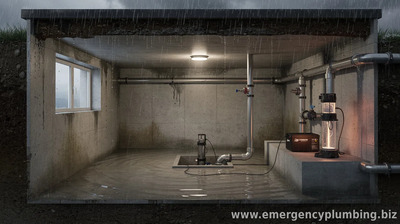
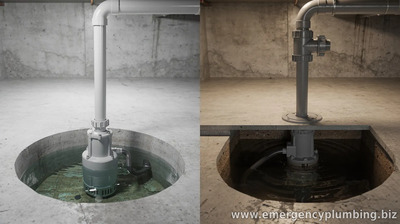
Flood control systems—such as sump pumps, backflow preventers, and stormwater pumping stations—are only as dependable as the power that drives them. When electricity fails during heavy rain, the difference between a working barrier and standing water can come down to the type of backup.
Two common approaches are battery backup systems and water-powered backup (typically leveraging stored water pressure or gravity-driven operation). Each option has distinct strengths, trade-offs, and installation requirements. Battery backup: fast, controllable, and widely compatible
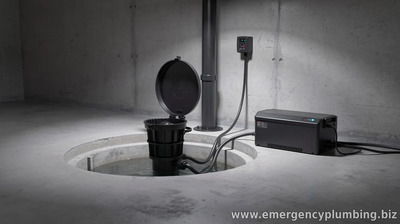
Battery backup solutions supply electricity to pumps and controls during outages, helping ensure the system can respond immediately to rising water levels. They are often paired with level sensors, alarms, and automatic transfer switches so the system can start without manual intervention.
In practice, battery backup is attractive because it can be engineered to run specific equipment for a defined duration. Runtime depends on battery capacity, pump power draw, and how frequently the pump cycles during an event—so sizing is critical. Key advantages and limitations of battery backup
Advantages: Battery systems generally switch on quickly, support modern control electronics, and can be configured for targeted loads. They’re also modular, making them easier to retrofit into some existing installations.
Limitations: Batteries have finite endurance. If an outage lasts longer than the system was designed to cover, pumps may shut down. Performance can also degrade over time, especially if batteries are not routinely inspected, tested, and replaced. Water-powered backup: power-free operation during outages
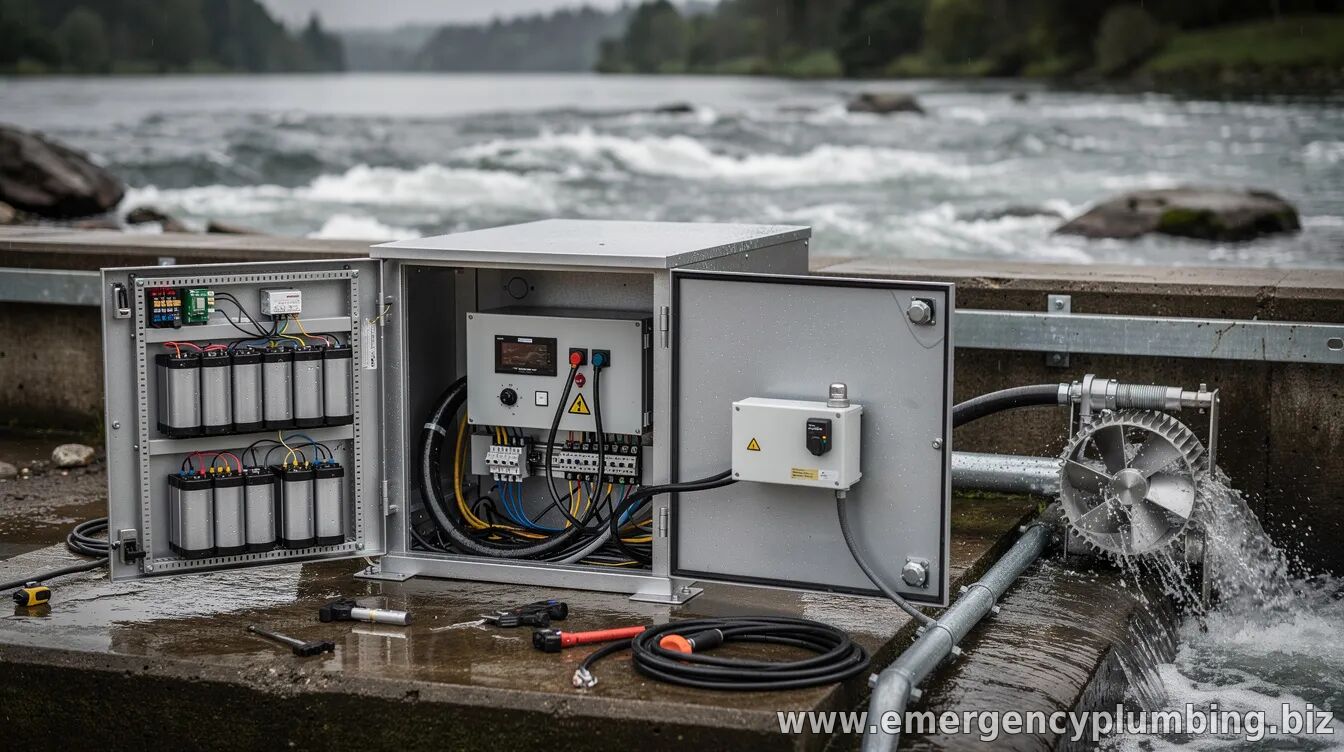
Water-powered backup relies on water itself as the energy source. Depending on the design, it may use stored water pressure, gravity head, or a dedicated hydraulic circuit to move water through valves and pumps when grid power is unavailable.
This approach can be especially compelling where reliability during long outages is a priority, or where access to fuel, maintenance windows, or electrical infrastructure is limited. Key advantages and limitations of water-powered backup
Advantages: Because it does not depend on electrical power, water-powered backup can continue functioning during extended grid failures. It may also reduce the ongoing management burden associated with battery aging.
Limitations: Water-powered systems must have the necessary water supply, pressure conditions, or hydraulic head to operate. They can be more complex to design and install correctly, and they may require careful integration with existing plumbing and control logic. Like any backup strategy, their effectiveness depends on meeting those physical operating requirements. How to choose: runtime, conditions, and maintenance plan
The best backup type depends on your flood scenario and infrastructure constraints. Battery backup may be the right fit when outages are typically shorter and when you can commit to a maintenance schedule for testing and replacement. Water-powered backup may be preferable when outages can be prolonged and when the site reliably provides the hydraulic conditions needed to run the system.
Many organizations evaluate both options side-by-side: batteries can provide immediate response while water-powered mechanisms can extend protection beyond the battery’s designed runtime. Regardless of the choice, engineering the system for correct sizing, verifying sensor accuracy, and implementing routine inspection are essential to achieving dependable flood mitigation.
Note: For safety and performance, system design should be completed or reviewed by qualified professionals who can assess pump curves, electrical loads, local code requirements, and site-specific water and pressure conditions.
| |
⏰ Dispatcher support 24/7
📞 224-754-1984CALL ☎ Subscribe 👆 FORUM 🗣
North Shore, Northwest suburbs of Chicago, IL
Next & Previous posts
Related articles: