
2:08 PM Combi-Boilers vs. Traditional Furnaces in Illinois | |
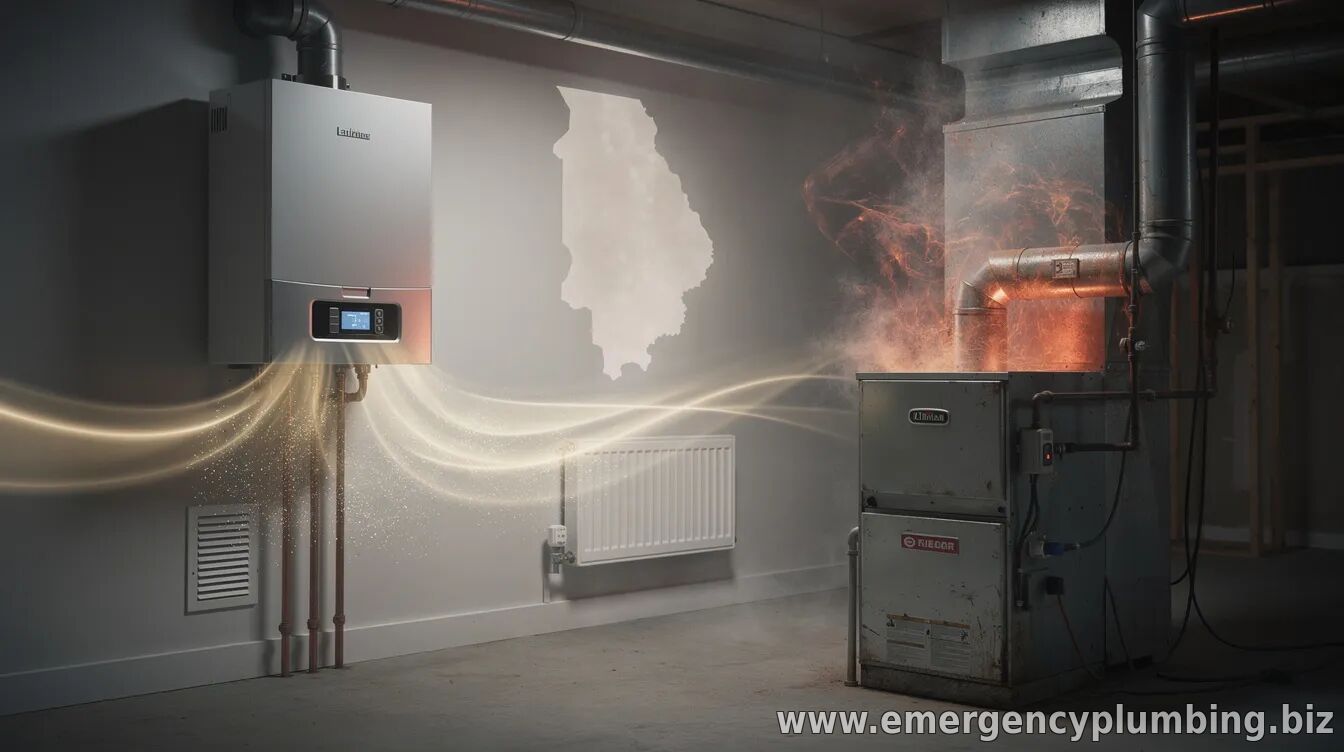
Illinois winters can be unforgiving, and heating bills often become the largest controllable energy expense for households. That’s why many residents are comparing modern condensing combi-boilers—which provide space heat and domestic hot water—from traditional furnace-based systems that typically require a separate water heater.
The headline: real savings are possible with combi-boilers, but the outcome depends on efficiency, installation quality, home envelope performance, and how you currently manage hot water use. Below are the practical factors that most influence results in Illinois. 1) How efficiency translates into lower bills
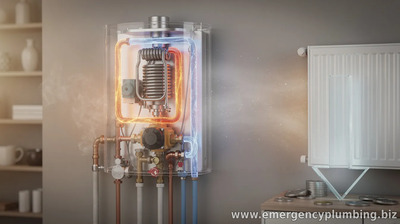
Condensing combi-boilers are designed to capture more heat from combustion gases by extracting additional energy as the system cools exhaust products. In contrast, many traditional furnaces deliver heat with less recovery, especially when the system isn’t operating under conditions that maximize efficiency.
In real homes, the “efficiency rating” only becomes savings when the boiler actually runs at favorable temperatures and with adequate return-water conditions to encourage condensation. If the boiler mostly operates in non-condensing mode, the financial advantage can shrink. 2) The biggest advantage: fewer devices doing more work
One reason homeowners consider combi-boilers is system consolidation. A traditional setup often includes a furnace for space heating plus a separate water heater for showers, dishwashing, and laundry. That can introduce extra standby losses and distribution losses across multiple appliances.
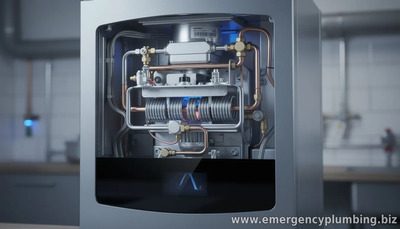
A combi-boiler replaces that split with one high-efficiency heating system. When domestic hot water demand is frequent and piping runs are reasonably short, combining functions can reduce total energy consumption.
However, if your home has an older tank water heater with high losses but you already use energy-saving plumbing habits (low-flow fixtures, short hot-water waits), the relative improvement may be smaller than expected. 3) Illinois-specific drivers: outdoor temperatures and usage patterns
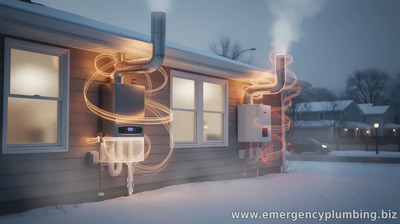
Illinois spans a wide range of winter conditions, from Chicago-area lake-effect cold spells to deeper southern cold snaps. In colder stretches, both systems may rely more heavily on heating output. For savings, combi-boilers tend to perform best when they can maintain efficient operation across longer cycles—often helped by good zoning or stable thermostat behavior.
Your daily schedule matters too. Homes with steady hot water demand (families, frequent showering) may benefit more than homes where hot water is rarely used for long periods. Infrequent usage can reduce how much of the captured energy meaningfully offsets your bill. 4) Installation and system design can make or break the savings
The most common reason homeowners don’t see expected performance is sizing and controls. A combi-boiler must be matched to your heat load, while also being paired with appropriate piping, flow rates, and venting. Similarly, a traditional furnace can perform well—or poorly—based on ductwork, airflow, and burner tuning.
Key design details include:
Even the most efficient equipment can underperform if ducting is leaky, insulation is thin, or the system can’t operate long enough in efficient modes. How to estimate whether you’ll save in your Illinois home
To estimate savings, start with your current data: last winter’s fuel consumption (gas bills or utility usage logs) and your typical hot water usage. Then compare the seasonal heating efficiency of each option, but adjust your expectations based on local conditions and how often hot water is drawn.
A practical approach:
When insulation upgrades and control improvements are included, the total benefit often increases—because both combi-boilers and furnaces depend on the home’s heat-loss profile. Bottom line
For Illinois homeowners, condensing combi-boilers can deliver real energy savings by improving heat recovery and reducing losses associated with running separate space-heating and water-heating appliances. The best outcomes typically occur in homes with solid insulation, correctly sized equipment, and system designs that keep the boiler operating efficiently.
If you’re considering a switch, focus less on the technology label and more on the full system package: sizing, controls, distribution design, and your actual hot water routine. That’s where savings become measurable—and dependable.
| |
⏰ Dispatcher support 24/7
📞 224-754-1984CALL ☎ Subscribe 👆 FORUM 🗣
North Shore, Northwest suburbs of Chicago, IL
Next & Previous posts
Related articles: