
0:56 AM Backflow Prevention: What It Is and Why It’s Required | |
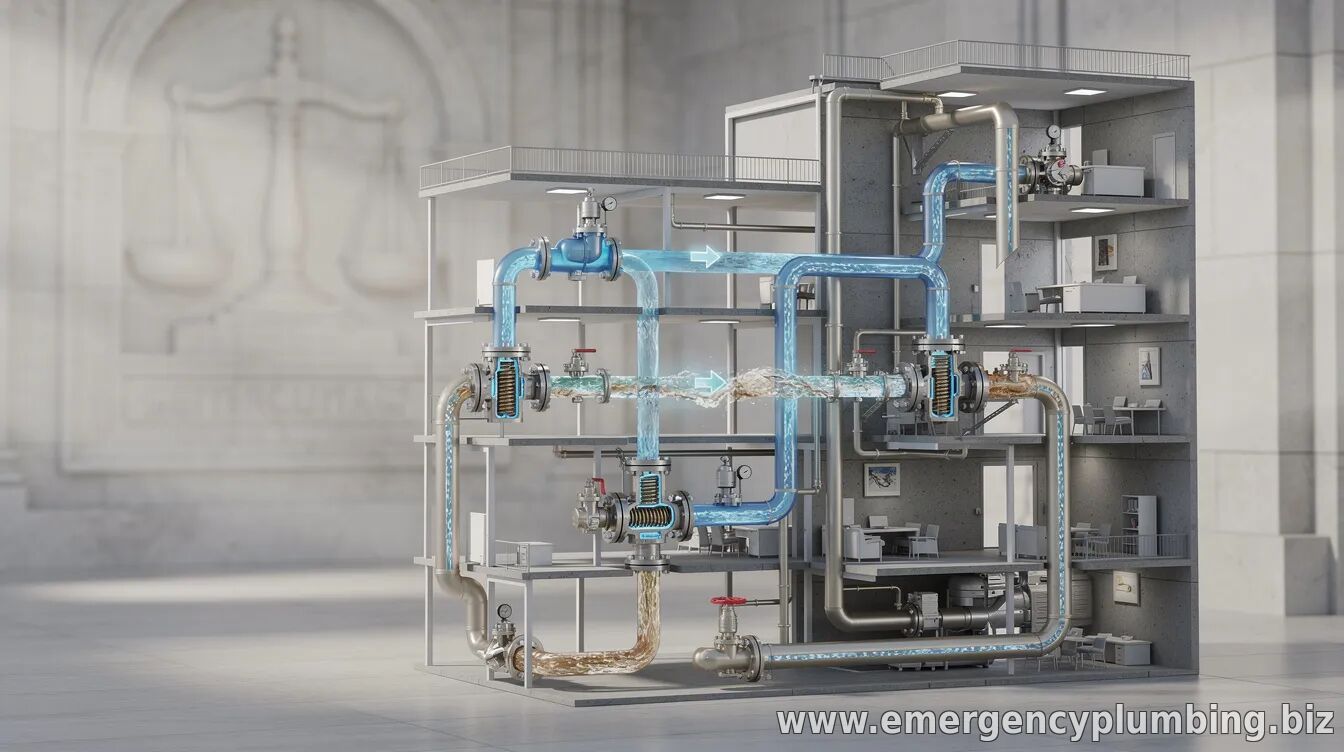
Backflow prevention is a set of plumbing safeguards designed to keep contaminated water from moving in the reverse direction—back into a community or building’s potable (drinking) water supply. Without these controls, everyday conditions like pressure changes can allow pollutants to travel backward through pipes and fixtures.
When backflow happens, the danger is not theoretical. Chemicals, wastewater, fertilizers, pesticides, or other unsafe substances can be drawn into drinking lines through cross-connections, creating risks for residents, workers, and customers. What “backflow” means
Backflow occurs when the normal direction of water flow is reversed. This can happen if the pressure in the building’s plumbing becomes higher or lower than the pressure in the public water main. Common triggers include water main breaks, sudden water demand spikes, or pump failures that temporarily disrupt pressure balance.
Cross-connections—connections between potable water and a non-potable source—are what make backflow particularly hazardous. Even a small connection, like an irrigation line tied into a water system, can become a pathway for contamination if backflow protection is absent or fails. How backflow prevention works
Backflow prevention devices are installed to stop reverse flow. Depending on the risk level and the plumbing setup, systems may use mechanical assemblies such as check valves, reduced pressure principle (RP) assemblies, or double-check systems. These devices are selected based on factors like the types of hazards present and the pressure conditions at the connection.
Many installations also rely on proper testing and maintenance to ensure the devices continue to function as intended. Over time, internal components can wear out, and valves may not seal correctly—making inspections essential. Why it’s required by law
Regulations typically require backflow prevention because the consequences of contamination can be widespread. Public water systems serve entire communities, and a single cross-connection can affect multiple households or businesses if backflow enters the main supply.
As a result, local and state rules often mandate backflow prevention for certain types of buildings and facilities—such as those with irrigation systems, commercial chemical use, fire suppression systems, or locations where elevated hazards exist. Many jurisdictions also require periodic testing by certified professionals and documentation for compliance.
These laws help reduce outbreaks of waterborne illness and limit exposure to harmful substances. They also create accountability: property owners and water customers are responsible for installing the correct devices, ensuring they are tested, and keeping records where required.
For property managers and facility owners, compliance is usually handled through a combination of risk assessment, appropriate device selection, installation by qualified plumbing professionals, and scheduled testing. If you’re unsure what applies to your property, your local water utility can often provide guidance or specify the exact device requirements and testing frequencies.
| |
⏰ Dispatcher support 24/7
📞 224-754-1984CALL ☎ Subscribe 👆 FORUM 🗣
North Shore, Northwest suburbs of Chicago, IL
Next & Previous posts
Related articles: