

2:14 AM Bathtub Leaks: When to Repair vs Replace | |
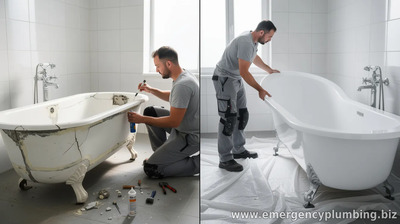
Bathtub leaks rarely stay small for long. Water can seep behind the wall or under the floor, leading to mold risk, damaged subflooring, and weakening surrounding materials. The key question for homeowners is whether a targeted repair will solve the problem—or whether a full replacement will be the safer, more cost-effective long-term option. Start with the source of the leak
The decision to repair or replace hinges on where the water is coming from. Common causes include deteriorated caulk, failed grout, cracked tub surfaces, loose drain connections, or compromised waterproofing behind the surround. A clear diagnosis—often involving inspection of the drain, overflow, accessible plumbing joints, and the surrounding wall materials—can prevent expensive guesswork.
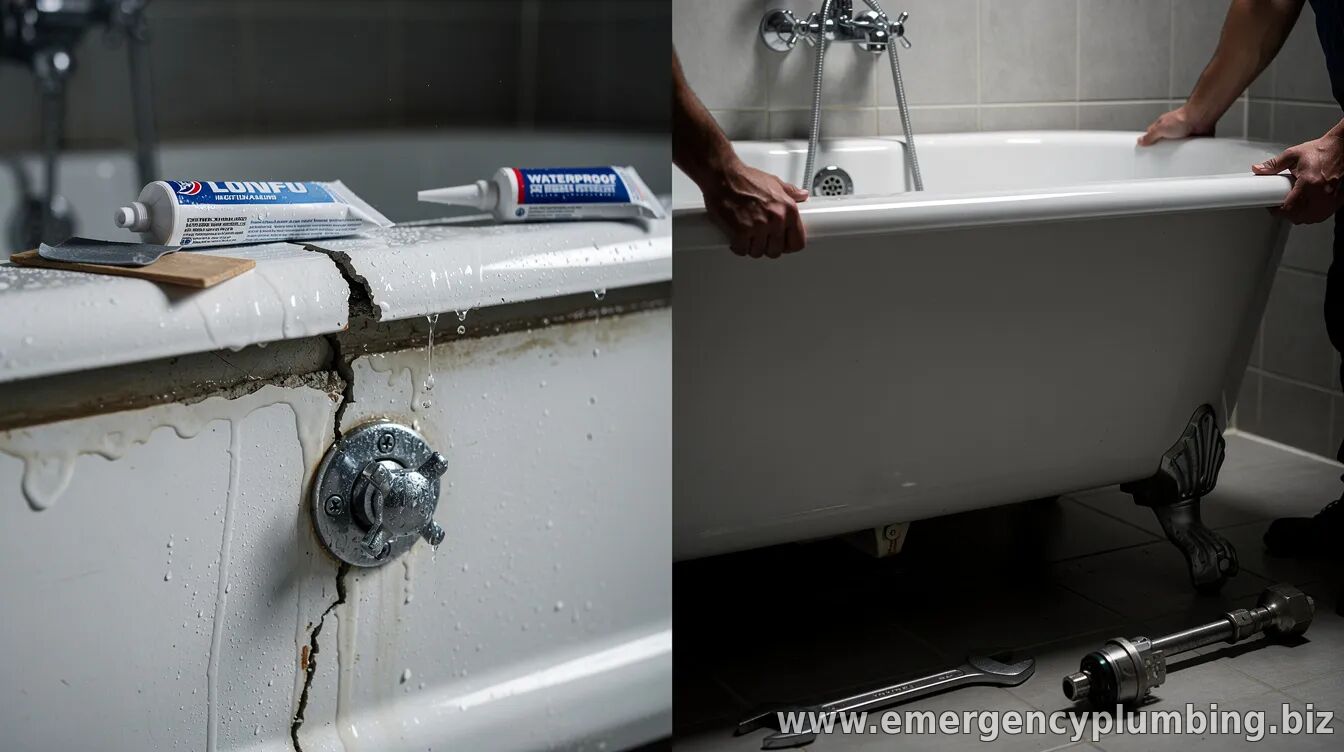
If the leak is limited to visible, accessible areas (like cracked caulk at the tub rim or missing grout), repair is usually the right move. Re-caulking with the correct product and re-sealing seams can stop water intrusion without the disruption of replacing the entire fixture. Repair is often enough when damage is localized
Repair typically makes sense when:
In these scenarios, a contractor can focus on the failing component—such as replacing a drain gasket, renewing sealants, or repairing a specific damaged section—often with faster turnaround and lower cost. Replacement may be the better choice in these cases
Replacing the bathtub or the entire tub surround becomes more practical when the leak points to deeper, harder-to-repair vulnerabilities. For example, if waterproofing layers have failed behind the wall, hidden damage may already be present even if the leak seems minor on the surface.
Consider replacement (or a full surround rebuild) if you find:
Cost isn’t just the materials—it’s the access
A “cheap” repair can become expensive if it requires tearing out a large portion of the bathroom anyway. Many leak repairs demand opening walls or floors to inspect waterproofing, verify pipe integrity, and address damaged framing. If the work needed to reach the leak is comparable to the work required for a replacement, replacement can be the more efficient path—especially when it prevents future problems.
Homeowners can improve decision-making by requesting an itemized estimate that separates “diagnosis,” “repair,” and “remediation” costs. If moisture has already impacted materials behind the wall, remediation (drying, mold treatment if necessary, and replacement of affected construction) should be included in the comparison. When to call a professional right away
Some leak situations benefit from immediate expert involvement, particularly when you suspect hidden piping leaks, repeated water intrusion, or widespread moisture. A licensed plumber and qualified contractor can check the drain/overflow system, test related plumbing, and confirm whether waterproofing systems behind the tub have failed.
It’s also smart to seek help if the leak is frequent, you notice ceiling/wall staining outside the bathroom, or you see signs of mold or persistent dampness. Early intervention reduces the risk of structural damage and improves the odds of a repair-only solution.
In many cases, the choice between repair and replacement comes down to one factor: how far the problem has spread. If the leak is caused by accessible, surface-level sealing issues and surrounding materials remain dry, repair is often the best answer. But if the tub or waterproofing system is compromised—or if moisture has already damaged what’s behind the walls—replacement or a full surround rebuild can provide a more durable fix and long-term peace of mind.
| |
⏰ Dispatcher support 24/7
📞 224-754-1984CALL ☎ Subscribe 👆 FORUM 🗣
North Shore, Northwest suburbs of Chicago, IL
Next & Previous posts
Related articles: