

2:19 AM How to Read Your Water Meter to Catch Leaks Early | |
Hidden leaks can cost money, raise water bills, and damage property long before you notice a drip under the sink or a damp patch in the yard. The good news: you can often spot a problem early by learning how to read your water meter and perform a quick baseline check.
This guide walks you through the most common meter types, what “normal” looks like, and how to interpret changes—so you can catch leaks while they’re still small. Find your water meter and note the basics
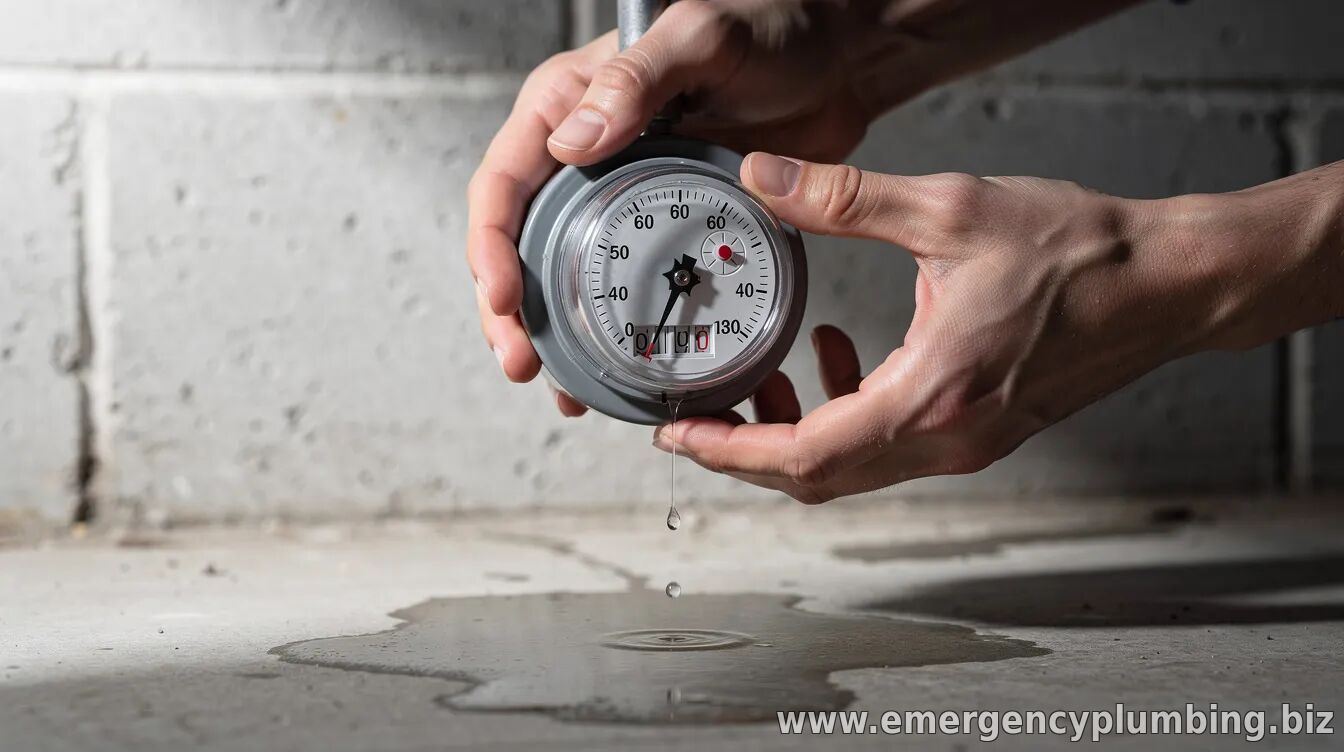
Start by locating your water meter—typically near the curb, in a front yard, or near where the main water line enters your home. Before you begin, remove any coverings carefully (if applicable) and make sure you can clearly view the meter display or dials.
Write down the date and the current reading exactly as shown. If your meter has units (like gallons or cubic feet), include them in your notes. Do a “no-use” test to establish whether water is moving
To determine if you have a leak, you need a period when no water is being used. Choose a time when everyone will be away from the home or when you can confirm there’s no typical use—for example, avoid running showers, doing laundry, or using the dishwasher.
Then watch the meter for movement. If your meter shows activity during this no-use window, that’s a strong sign that water is still flowing somewhere in your system. Read the meter: common types and what to look for
Water meters come in a few typical styles. The reading process is slightly different depending on which one you have:
Measure the change over a set period
After you record the starting reading, wait long enough to observe whether the meter changes. For many homes, 15 minutes can be enough to detect obvious movement, but 30–60 minutes is often more reliable—especially for slow leaks.
Record the ending reading after your observation window. Then calculate the difference between the two readings. Even small changes can matter if your household truly used no water during the test. Interpret results: what counts as a potential leak?
If your meter changes while you have confirmed that no water is being used, investigate immediately. The most likely causes include toilet running (often from a flapper or fill valve issue), a leaking supply line, a dripping faucet, or a hidden leak in irrigation or underground lines.
Keep in mind that some meters may briefly cycle due to internal metering behavior or very infrequent background events. That’s why repeat tests are valuable—perform the same baseline check on another day to confirm consistency. Confirm where the leak might be
Once you’ve determined the meter indicates movement, narrow down the source:
When to call your water utility or a plumber
If the meter keeps changing during repeated no-use tests, it’s time to contact a professional. Your water utility can also help if the issue appears to be on the utility side of the meter (for example, after you shut off water at the home and the meter still moves).
A licensed plumber can locate leaks in walls, floors, or underground lines using pressure testing and specialized detection tools—often faster than guesswork.
By building a routine to read your meter periodically, you can catch leaks early, protect your home, and reduce wasted water.
| |
⏰ Dispatcher support 24/7
📞 224-754-1984CALL ☎ Subscribe 👆 FORUM 🗣
North Shore, Northwest suburbs of Chicago, IL
Next & Previous posts
Related articles: