

0:26 AM Are Hot Water Recirculating Pumps Worth It? | |
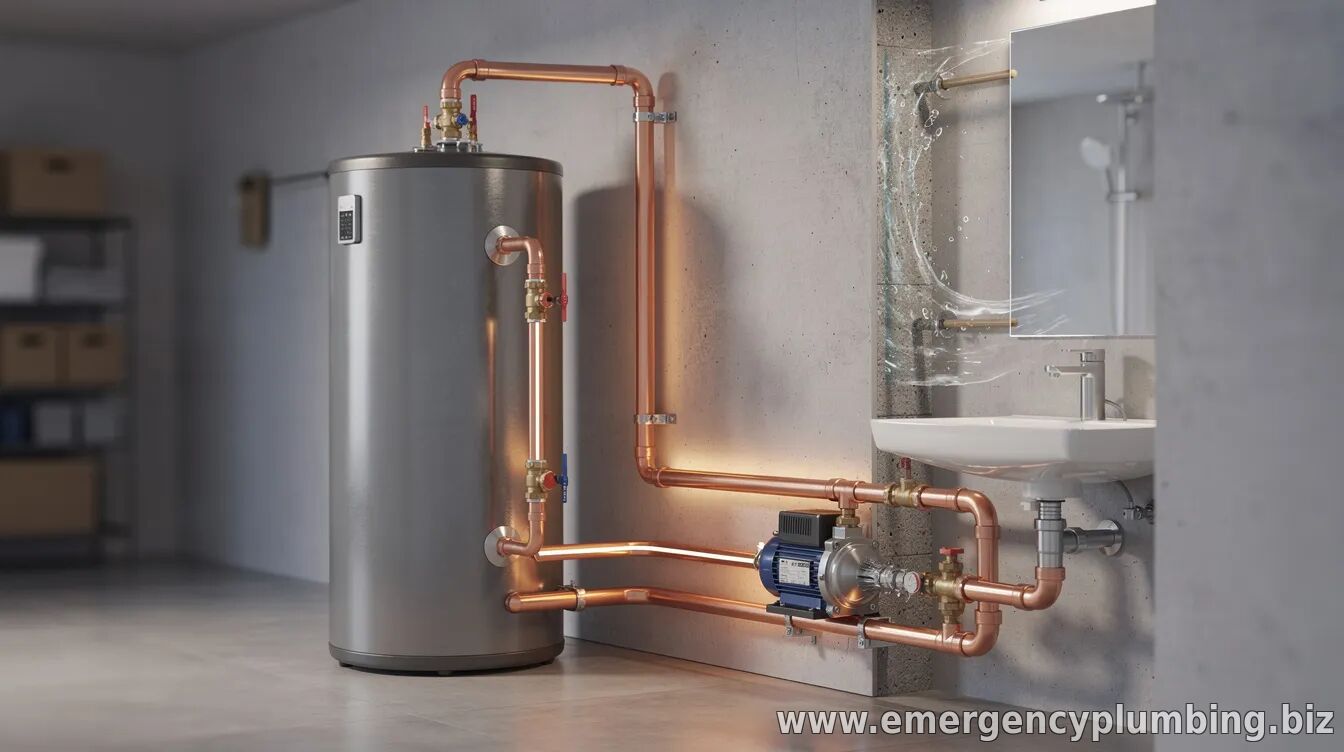
Hot water recirculating pumps promise faster hot water at the tap by continuously moving water through your plumbing. For many households, that means less waiting, fewer temperature swings, and greater convenience—especially in larger homes or those with long pipe runs. For others, the added energy use and installation complexity can outweigh the benefits.
So, are they worth it? The answer depends largely on how your home uses hot water, how far the fixtures are from the water heater, and whether you choose a system designed to limit unnecessary run time. When recirculating pumps tend to pay off
Recirculating pumps are most attractive when you routinely wait for hot water and when the plumbing layout creates long delays. If your kitchen sink, showers, or frequently used bathroom are far from the water heater, you may spend more water and time waiting for temperature to rise.
They can also be helpful for households with consistent morning/evening routines—periods when hot water demand is predictable. In these cases, properly timed recirculation can reduce wasted water while delivering near-instant hot water when you need it. Key tradeoffs to consider
The biggest tradeoff is energy use. Even if the pump runs intermittently, it moves water (and in the process, can add heat loss from piping). Some systems also require additional controls or monitoring to avoid running during low-demand hours.
There’s also an up-front cost and potential maintenance. Depending on the pump type and plumbing setup, you may need periodic checks, and sensors/controls may require adjustment over time. In addition, any recirculation plan should be paired with sensible insulation of hot water lines to limit heat loss and improve overall efficiency. Types of systems: demand vs. timed
Most recirculating solutions fall into two broad categories: demand-based and timer-based. Demand systems typically activate using a sensor or a signal when hot water is needed, while timer systems run during set windows.
Demand-based options can be advantageous if your hot water use is sporadic, because they aim to recirculate only when someone calls for hot water. Timer-based systems can work well for predictable schedules, but they may waste energy if hot water demand doesn’t match the programming. How to estimate whether it’s worth it in your home
Start by measuring the practical pain point: how long you wait for hot water at your most-used fixtures. If the wait is consistently long, the “value” is often not just comfort—there can be meaningful reductions in water wasted while flushing cold water down the drain.
Next, consider plumbing length and layout. Longer pipe runs and more complex routing generally increase both wait time and potential heat loss. Then evaluate your operating pattern: do you use hot water at regular times, or is it spread out unpredictably?
Finally, look at efficiency controls. Systems with scheduling, demand activation, or smart monitoring typically offer better odds of reducing unnecessary pumping. Pairing a recirculation pump with properly insulated hot water lines can further improve the cost-benefit balance. Practical recommendation
If you frequently wait for hot water—especially in a home with multiple bathrooms far from the heater—or if your household has predictable peak usage periods, a recirculating pump is more likely to be worth the investment. If your wait times are already short, your hot water use is highly irregular, or your piping is close to the heater with good insulation, you may see smaller gains and should carefully compare energy and install costs before moving forward.
For most homeowners, the best approach is to treat recirculation as a targeted improvement: measure your real-world wait time, choose a control strategy that matches your usage, and prioritize insulation to reduce heat loss. That combination usually determines whether the system becomes a convenience upgrade—or an ongoing expense.
| |
⏰ Dispatcher support 24/7
📞 224-754-1984CALL ☎ Subscribe 👆 FORUM 🗣
North Shore, Northwest suburbs of Chicago, IL
Next & Previous posts
Related articles: