
2:44 AM Heat Pump Water Heaters: Pros, Cons and Illinois Rebates | |
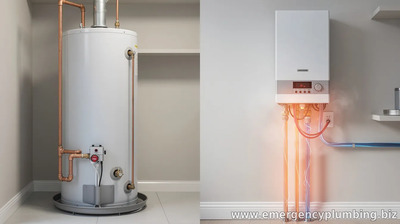
Heat pump water heaters (HPWHs) are emerging as a popular upgrade for homeowners seeking lower utility bills and improved efficiency. Instead of generating heat through combustion or resistance elements alone, they move heat from the surrounding air to heat water—an approach that can be especially effective in mild climates and well-insulated spaces.
As interest grows, many Illinois homeowners want a clear picture of the benefits, the possible drawbacks, and which rebate or incentive programs might apply. While program rules change and funding can be limited, understanding the basics can help you plan your purchase and installation. What a heat pump water heater does (and why it’s efficient)
An HPWH works by using electricity to run a compressor that transfers heat. The result is typically higher efficiency than standard electric resistance water heaters, particularly when the unit has access to warm indoor air or a garage area that doesn’t drop to extreme temperatures.
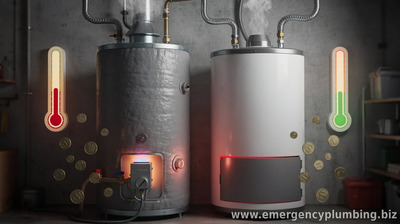
In many homes, this means the system can deliver hot water while using less electricity per gallon heated—often translating into noticeable savings on energy bills over time. Key pros for Illinois homeowners
Lower operating costs: Because HPWHs use heat transfer rather than direct resistance heating, they can reduce electricity use compared with traditional electric water heaters.
Potential environmental benefits: Reduced energy consumption can lower carbon emissions depending on the electricity mix serving your home.
More precise hot-water supply: Many modern units offer improved controls and recovery options, which can help maintain consistent hot-water temperatures.
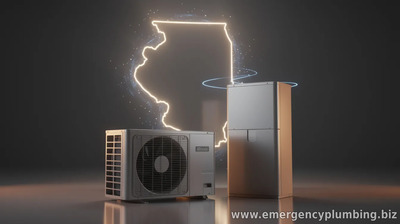
Illinois incentive opportunities: State and utility programs sometimes provide rebates, credits, or incentives for high-efficiency water heaters—though eligibility depends on income, equipment type, installation details, and current funding. Important cons and installation realities
Higher upfront cost: HPWHs generally cost more to buy and install than conventional water heaters. Savings typically build over time, so homeowners should evaluate payback based on local electricity rates and expected usage.
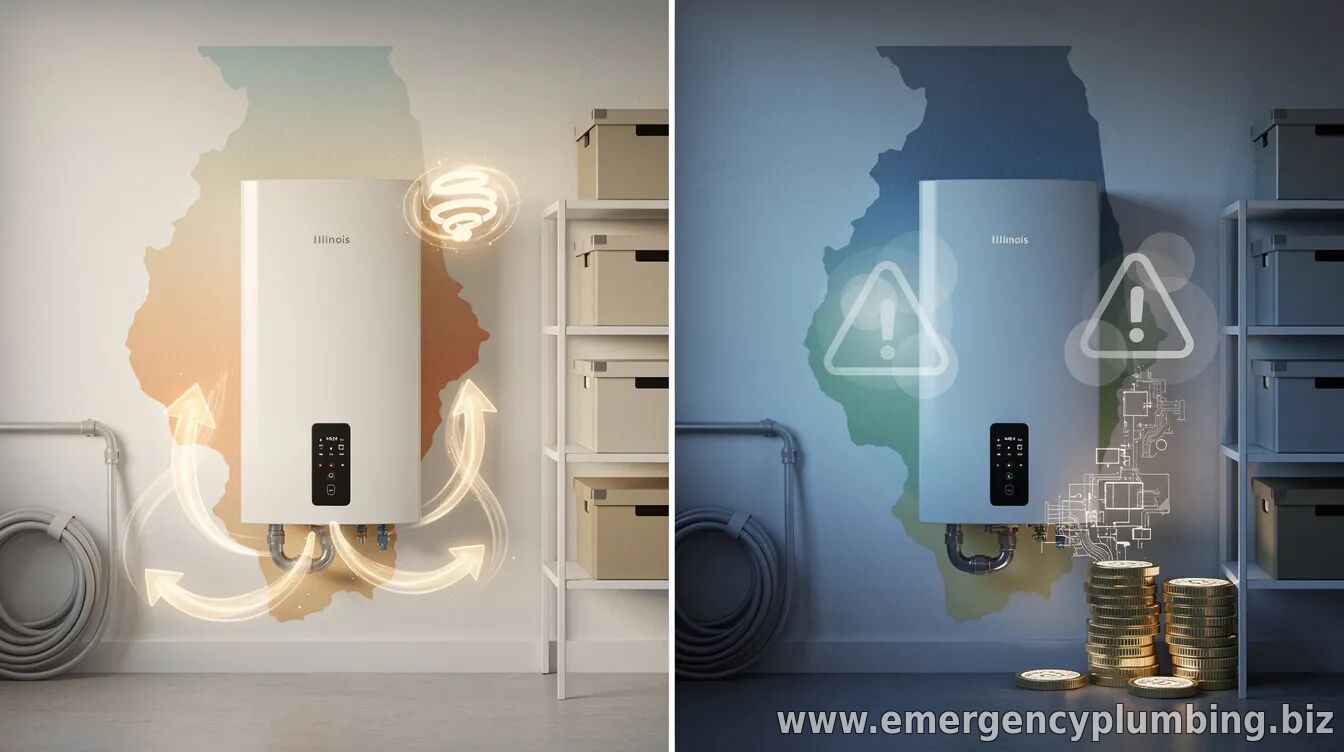
Performance in colder spaces: If the unit is installed in a very cold area or where surrounding air temperature is consistently low, heat pump efficiency may drop. Units often rely on an airflow supply—poor placement can reduce output and increase supplemental heating.
Space and ventilation considerations: HPWHs may need adequate room for proper air circulation. Some setups require ducting or careful placement to ensure the system can draw in and exhaust air effectively.
Noise and comfort impacts: The compressor can produce operational noise. Placing the unit away from bedrooms or living areas—and following manufacturer guidance—can help mitigate this concern. Illinois rebates: what to look for
Incentives for heat pump water heaters in Illinois are commonly delivered through utility programs, appliance rebate networks, or state-supported initiatives. Eligibility may depend on whether the purchase is part of an approved program, the model’s efficiency rating, and whether installation is performed by a qualified contractor.
Before buying, homeowners should:
How to choose the right system
Picking an HPWH isn’t just about choosing “heat pump” technology—it’s also about matching the unit to your home’s hot-water demand and the installation environment. A contractor or energy professional can assess your household usage patterns, existing plumbing layout, and the temperatures where the unit will be located.
Pay special attention to expected recovery rate, energy factor/efficiency ratings, and whether the unit uses supplemental heating during cold periods. A correctly sized system and a well-considered location can help protect efficiency and reduce the chance of higher-than-expected operating costs.
For Illinois homeowners, the takeaway is straightforward: heat pump water heaters can offer meaningful long-term benefits, but the upfront investment and installation conditions matter. By verifying current rebate availability and choosing equipment suited to your home, you can improve the odds of achieving both lower bills and reliable hot water.
| |
⏰ Dispatcher support 24/7
📞 224-754-1984CALL ☎ Subscribe 👆 FORUM 🗣
North Shore, Northwest suburbs of Chicago, IL
Next & Previous posts
Related articles: