
1:40 AM Tankless vs. Tank Water Heaters for Chicago Homes | |
For many homeowners in the Chicago area, the choice between a tankless and a traditional tank water heater is more than a comfort question—it’s an energy and reliability decision shaped by winter temperatures, household size, and daily hot-water habits. Both systems can deliver hot water reliably, but they do so in very different ways.
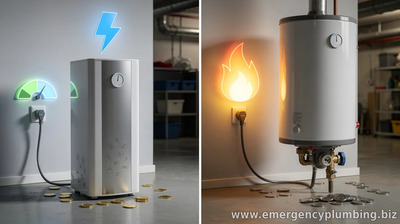
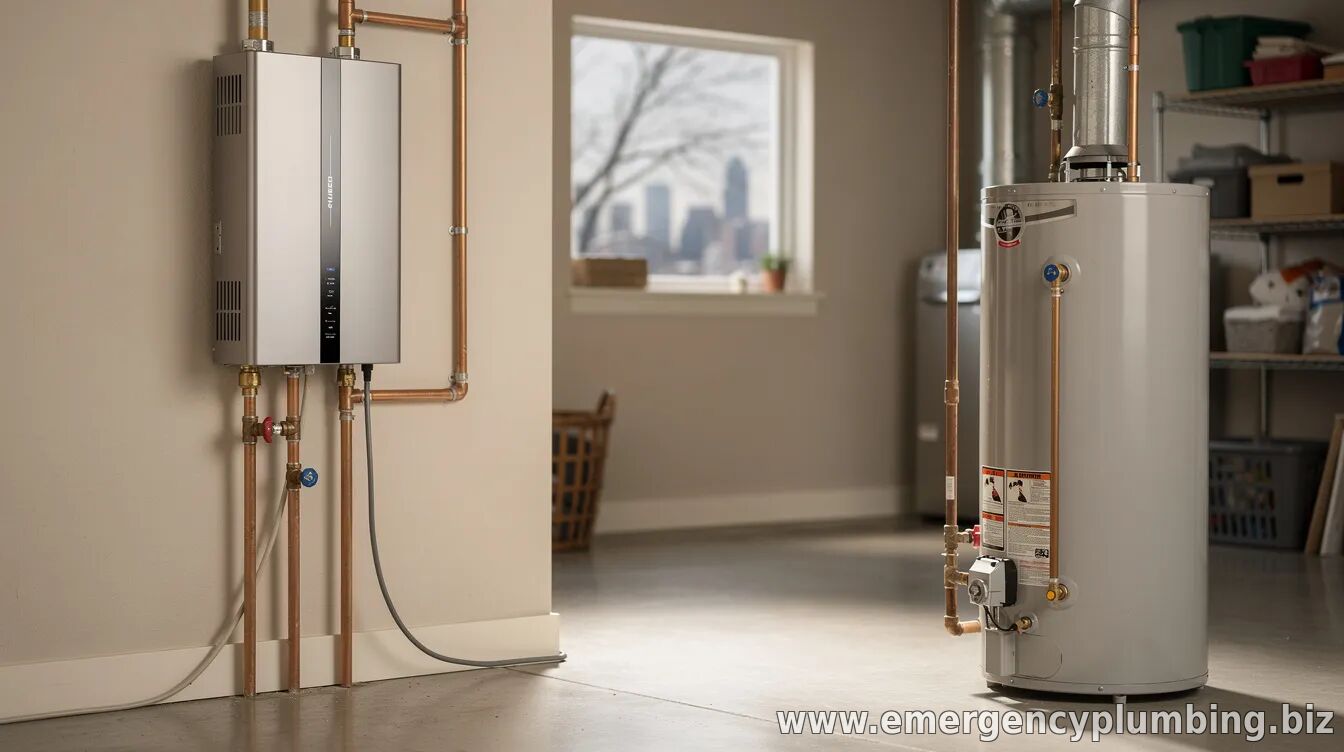
Tank water heaters store heated water in an insulated tank and deliver it as you use hot water. Tankless units heat water on demand, so they only run when a faucet, shower, or appliance calls for hot water. How each system performs in Chicago winters
Chicago-area winters can test hot-water systems because incoming water temperatures often drop significantly. With a tank heater, this mainly affects how often the unit cycles to maintain the stored temperature. With a tankless equipment, colder incoming water can slightly reduce flow rate or require the unit to work harder to reach your set temperature—though properly sized models are designed for these conditions.
The practical takeaway: if you rely on steady hot water during peak usage (multiple showers, laundry, and dishwashing), sizing and recovery capacity matter more than the “tankless vs. tank” label. Space, installation, and upgrade considerations
Tank water heaters typically need a designated footprint and safe clearances, plus ventilation requirements for the fuel type (gas or electric) and local code compliance. If you’re replacing an older unit in the same location, the process is often straightforward.
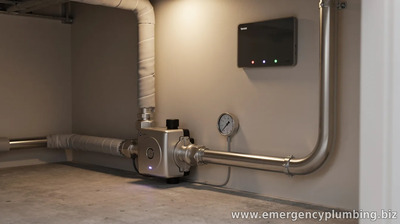
Tankless units are usually smaller and can be mounted on a wall, which helps if you’re short on space. However, they may require upgrades that affect cost—such as electrical capacity, gas line sizing, and plumbing modifications to handle the demand and recirculation requirements.
Before committing, confirm venting options (for gas models), electrical requirements (for electric units), and whether your home can support any necessary upgrades without major renovations. Energy efficiency and operating costs
In general, tankless water heaters are often more energy-efficient because they don’t continuously keep a full tank of water hot. Tank heaters may run intermittently, but they still maintain a stored volume at a set temperature, which can add up over time—particularly in homes with lower hot-water usage between peak periods.
That said, your actual savings depend on usage patterns. If you have consistent daily demand—such as large households or frequent back-to-back use—differences in efficiency can narrow. Meanwhile, if you rarely use hot water, a tankless system may have the edge due to reduced standby loss. Hot-water demand: the key factor in choosing
For tankless systems, the most important specification is the unit’s ability to deliver enough hot water at your desired temperature rise. This is influenced by supply water temperature, desired outlet temperature, and the number of simultaneous fixtures.
Tank systems have a different strength: they can supply hot water up to the tank capacity until the stored supply is depleted. After heavy use, a tank heater needs time to reheat the tank, which can matter during high-demand windows.
If your household frequently uses hot water at the same time—like two showers running and a dishwasher operating—talk to a qualified installer about load calculations and whether recirculation (with appropriate controls) is beneficial for your routine. Reliability, maintenance, and lifecycle expectations
Both types can last for many years when properly installed and maintained. Tank water heaters often benefit from periodic maintenance such as flushing to reduce sediment buildup. Tankless units may require descaling or maintenance depending on water hardness to keep performance from gradually degrading.
When planning for long-term costs, consider not only purchase price, but also expected maintenance and the likelihood of repairs for your specific model and installation conditions.
Homeowners in the Chicago area should also factor in the importance of a high-quality installation—correct venting, proper sizing, correct temperature settings, and code-compliant plumbing and electrical work can meaningfully affect performance and longevity.
So, which one is right for your Chicago-area home? Choose a tank water heater if you want predictable capacity for heavy simultaneous use, prefer straightforward replacement in the same location, and can manage standby energy costs. Choose a tankless water heater if you want hot water on demand, have space constraints, and expect to benefit from reduced standby losses—especially if your household can be well-matched to the unit’s flow and output capacity.
For the best decision, schedule an assessment with a licensed local professional who can evaluate your household demand, utility setup, water quality, and venting or electrical requirements. In cold-weather climates like Chicago, sizing and system compatibility are often the difference between a comfortable outcome and a frustrating one.
| |
⏰ Dispatcher support 24/7
📞 224-754-1984CALL ☎ Subscribe 👆 FORUM 🗣
North Shore, Northwest suburbs of Chicago, IL
Next & Previous posts
Related articles: