
1:19 AM Heat Pumps in Chicago: Costs, Savings, and Payback | |
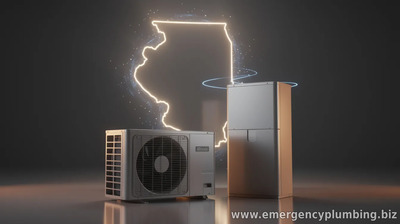
Heat pumps are becoming a leading option for home heating across the U.S., and Chicago is no exception. With colder winters and a heating season that runs much of the year, the question for many residents is straightforward: does the investment pay off in Chicago’s specific climate—and under today’s utility rates and incentives?
For homeowners considering a switch from gas or older electric resistance systems, the best outcomes typically depend on sizing, insulation, and installation quality as much as the equipment itself. When those factors line up, heat pumps can provide efficient heating while reducing emissions tied to fossil-fuel combustion. How heat pumps perform in Chicago winters
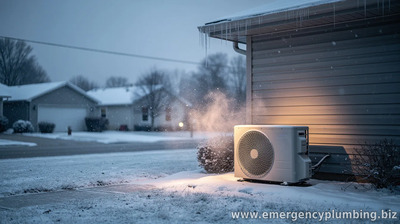
Modern cold-climate heat pumps are designed to deliver heat even when outdoor temperatures drop well below freezing. While their efficiency can decline during the coldest spells, many systems maintain workable heating performance by using advanced compressor controls and, in some cases, backup electric resistance elements as a last resort.
In practice, performance hinges on indoor and envelope conditions. Homes with better insulation, tighter air sealing, and properly maintained ductwork tend to see more consistent comfort and lower energy use—especially during peak winter demand when heating costs are highest. What the investment typically includes
The upfront price of a heat pump installation in Chicago often reflects more than the outdoor unit. Costs may include electrical upgrades, modifications to ductwork or the addition of ducts, indoor air-handling equipment, and permitting and labor. If a home’s insulation or windows are dated, the “true” payback may improve substantially when comfort upgrades are bundled with the heating system.
For many households, the decision also involves the transition away from gas appliances. Some installations may keep existing gas equipment as backup, while others fully convert to heat-pump-only heating—again affecting both cost and long-term savings. Incentives and financing can change the math
Federal and state-level incentives, utility programs, and local rebate opportunities can materially reduce net cost. The timing and availability of these benefits vary, but they are often a key reason homeowners evaluate heat pumps now rather than later. In addition, financing options—especially those that spread payments over several years—can make adoption more manageable even when the sticker price remains high.
Because incentives can influence eligibility and net pricing, homeowners are advised to confirm current program requirements with their installer or local energy provider before signing contracts. Energy savings: what to expect and how to estimate
Heat pumps are generally more energy-efficient than traditional electric resistance heating, and in many settings they can lower operating costs compared with older systems—particularly when the home’s heating demand is reduced through efficiency improvements.
Still, estimates should be treated as ranges. Real-world results depend on heat pump sizing (oversized systems can cycle inefficiently), installation quality, thermostat settings, and the home’s heat loss. A professional load calculation and energy audit are often the most reliable way to forecast payback for a specific property in Chicago.
To evaluate value, homeowners can compare projected annual heating bills under different scenarios—gas furnace, older electric systems, and heat pump options—while also factoring in equipment life and maintenance. Even when payback takes several years, many residents also cite intangible benefits such as more even indoor temperatures and improved air comfort. Key checklist before you buy
Before committing, residents typically benefit from verifying the following:
Heat pumps can be a strong fit for Chicago households, but the “worth it” answer is rarely one-size-fits-all. When homeowners pair cold-climate heat pump technology with careful sizing and efficiency upgrades—while taking advantage of available incentives—the investment can become both financially viable and environmentally beneficial.
| |
⏰ Dispatcher support 24/7
📞 224-754-1984CALL ☎ Subscribe 👆 FORUM 🗣
North Shore, Northwest suburbs of Chicago, IL
Next & Previous posts
Related articles: