

0:39 AM Winterize Your Plumbing in Illinois: Step-by-Step | |
Illinois winters can bring sudden cold snaps that test even well-built homes. Winterizing plumbing is about reducing the risk of frozen pipes (which can burst) and preparing fixtures, valves, and outdoor water lines for freezing temperatures. 1) Check when freezing can reach your pipes
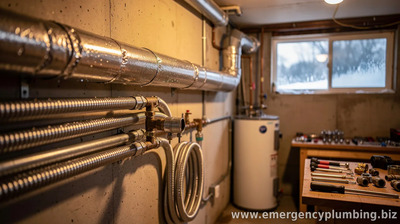
Begin by identifying where water lines run: along exterior walls, through unheated basements/crawl spaces, garages, attics, and any sections near vents or poorly insulated areas. Those are the most vulnerable spots during overnight dips and wind-driven cold. 2) Insulate first, then plug gaps
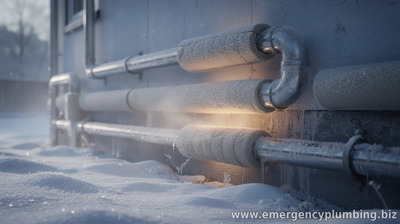
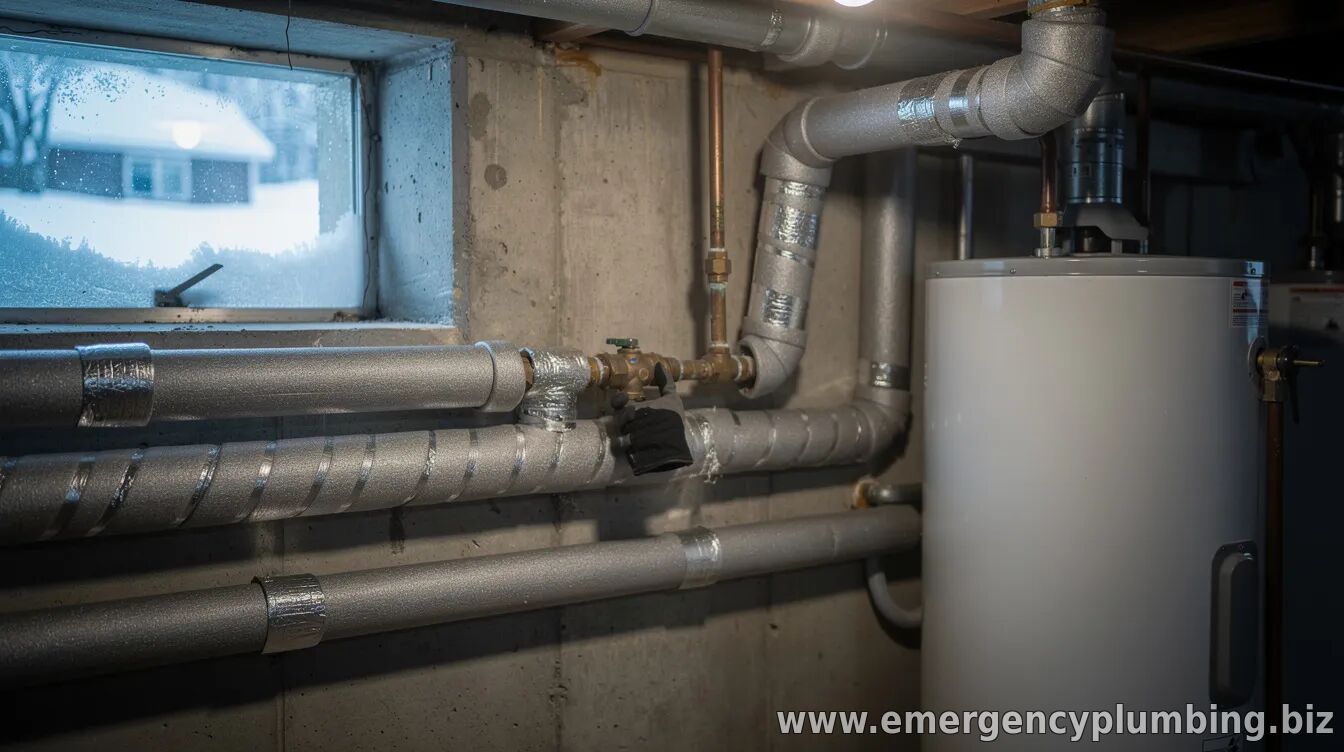
Use pipe insulation rated for cold weather, especially on exposed supply lines and any “runs” that travel through unheated spaces. Add insulation to elbows, valves, and pipe-to-wall transitions—these points often cool faster than straight runs.
After insulating, look for drafts. Seal openings around pipe penetrations with appropriate sealant or caulk so cold air doesn’t undermine insulation. If you have outdoor spigots or hose bibs, use an outdoor spigot cover or insulated freeze-proof cover designed for winter use. 3) Protect indoor valves and plumbing in unheated areas
Locate shutoff valves, especially those serving sections of your home or outside lines. Insulate valves and any exposed components. If a shutoff valve is in an unheated space and not easily insulated, consider additional protection (for example, insulating around the valve area rather than only insulating the pipe).
If your home has a crawl space, basement, or garage plumbing that is exposed, focus insulation there. Even small unheated gaps can drop pipe temperatures close to freezing during prolonged cold weather.
Quick note: Avoid insulating over wet or actively leaking areas. Fix leaks first, then insulate.
4) Drain exterior lines before freezing weather
For most Illinois homes, the safest approach for outdoor plumbing is to disconnect hoses and drain the line so no water remains to freeze. If your spigot has a vacuum breaker or other backflow device, follow the manufacturer’s instructions for draining and winter mode (where applicable).
After draining, keep hoses disconnected and stored indoors. If you use a faucet cover, ensure it’s installed correctly and doesn’t trap moisture against a leaking connection.
5) Consider where you’ll leave water running
When forecasts call for extremely cold temperatures or when you can’t fully insulate a vulnerable run, some homeowners choose a small trickle on specific faucets fed by exposed lines. The goal is to keep water moving enough to prevent freezing in the line.
If you do this, use the faucet that serves the most exposed plumbing route and confirm that the trickle is adequate during the coldest hours. In apartments or multi-family settings, check building policies before changing how water is used.
6) Know when to shut off and drain the whole system
If you’re leaving the home for the winter (or for extended periods) and temperatures will stay low, consider a fuller winterization method: shut off the water supply and drain plumbing lines. For some homes, this may also involve adding plumbing antifreeze intended for potable plumbing lines—only if you follow manufacturer and health guidance.
Because antifreeze types and usage vary, it’s often best to follow your water heater and plumbing system documentation or consult a licensed plumber for your specific setup.
7) Protect and maintain the water heater
Check that your water heater is in a location protected from freezing and that surrounding vents and access panels are properly sealed. A stable, insulated installation reduces the chance that the unit or connected pipes will be exposed to extreme cold.
If your heater is in an unheated space, consider insulation blankets designed for water heaters and ensure any venting requirements are still met.
8) After you winterize, do a simple verification
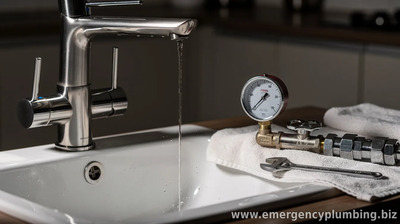
Before the deep freeze arrives, confirm key tasks: hoses disconnected, outdoor lines drained, insulation installed over exposed pipes and valves, and any sealed penetrations addressed. During a mild cold snap (or on a test day), check that indoor faucets run normally and that no new leaks appear where you insulated or adjusted connections.
If you notice any freezing behavior (unusual slow flow, frost on pipes, or dampness that wasn’t there before), address it promptly—small issues can become pipe-burst events.
When to call a pro
Contact a licensed plumber if you have extensive exposed plumbing in unheated areas, uncertain winterization steps for your exact system, recurring leaks, or you suspect pipes have already frozen. In Illinois, where temperature swings can be abrupt, timely help can prevent costly damage.
With insulation, proper draining of outdoor lines, and targeted protection for vulnerable sections, you can significantly reduce the risk of frozen plumbing this winter.
| |
⏰ Dispatcher support 24/7
📞 224-754-1984CALL ☎ Subscribe 👆 FORUM 🗣
North Shore, Northwest suburbs of Chicago, IL
Next & Previous posts
Related articles: