

0:27 AM Do Heat Pumps Work in Illinois Below-Zero Winters? | |
In Illinois winters, heat pumps are often promoted as an efficient alternative to gas furnaces—especially because they move heat rather than create it from combustion. But many homeowners still worry about the same question: what happens when temperatures plunge below zero?
While heat pumps don’t “stop working” at extreme cold, their efficiency generally declines as outdoor temperatures fall. The key variable is how the system is designed and managed—particularly its capacity range, defrost strategy, and whether a supplemental heat source is available. How heat pumps behave as temperatures drop
Most air-source heat pumps use electricity to transfer heat from the outside air to the home. As the outdoor air gets colder, the heat available to capture decreases and the system has to work harder. That increased workload can reduce heating efficiency (often measured by metrics like COP or HSPF) and can raise operating costs.
In very low temperatures, many systems will still heat successfully, but they may cycle more frequently and may switch to supplemental heat more often—either through electric resistance elements or, in some setups, a secondary heating source. Defrost cycles matter in freezing weather
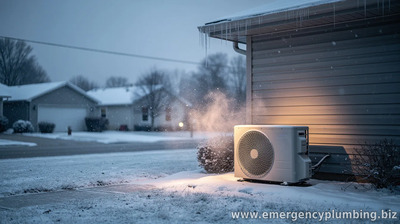
Another factor in deep winter performance is defrosting. When outdoor coils accumulate ice, the heat pump must periodically reverse or adjust operation to remove frost. Defrost cycles can temporarily reduce heating output and slightly affect comfort, especially in humid conditions where ice forms more readily.
Modern cold-climate models typically include advanced controls designed to manage defrost more efficiently. The right unit—and correct installation—can help minimize the number and duration of these events. Sizing and insulation determine whether “below zero” feels comfortable
Home comfort and costs during extreme cold are heavily influenced by load calculations and building performance. A heat pump that’s undersized for the home will reach its output limit sooner, forcing the system to rely more heavily on supplemental heat—even if the outdoor temperature remains within the unit’s technical operating range.
Likewise, homes with poor insulation, leaky air, or weak ductwork can require more heat than the system can deliver efficiently. In that scenario, temperatures below zero may not be the moment the heat pump fails, but the moment supplemental heat becomes the dominant contributor.
Do you need backup heat for Illinois extremes?
For most Illinois households, backup heat isn’t automatically a requirement, but it is commonly part of a practical design. Even efficient cold-weather heat pumps may use supplemental heating at the lowest temperatures or during sustained cold snaps, when the cost and efficiency trade-offs become less favorable.
Many systems are configured so supplemental heat only activates at colder thresholds or when the home can’t be adequately heated. This approach aims to keep comfort steady while preserving the efficiency advantages of heat pump operation during milder winter periods. What to ask an installer before switching
Before choosing a unit—or adjusting an existing system—homeowners can reduce uncertainty by asking targeted questions. The most useful conversations typically focus on low-temperature ratings, control strategies, and whether the heat pump is likely to meet the home’s peak demand without excessive reliance on resistance heating.
In practice, the question isn’t just whether a heat pump “works below zero,” but how often it will need supplemental heat, how long defrost events last, and whether the balance point is set to match local weather patterns and the home’s heat loss profile. Bottom line: heat pumps hold up, but planning makes the difference
Heat pumps generally remain capable during Illinois sub-zero cold, especially with cold-climate-rated equipment and correct sizing. Performance and operating cost typically shift as temperatures fall, with supplemental heat becoming more frequent at the coldest extremes.
For homeowners, the most reliable path to steady winter comfort is a well-designed system paired with an efficient, airtight home—so that even when temperatures drop below zero, the heat pump can still do the majority of the work.
| |

⏰ Dispatcher support 24/7
📞 224-754-1984CALL ☎ Subscribe 👆 FORUM 🗣
North Shore, Northwest suburbs of Chicago, IL
Next & Previous posts
Related articles: