

0:38 AM Hot Water Recirculating Pumps: What They Do and Need | |
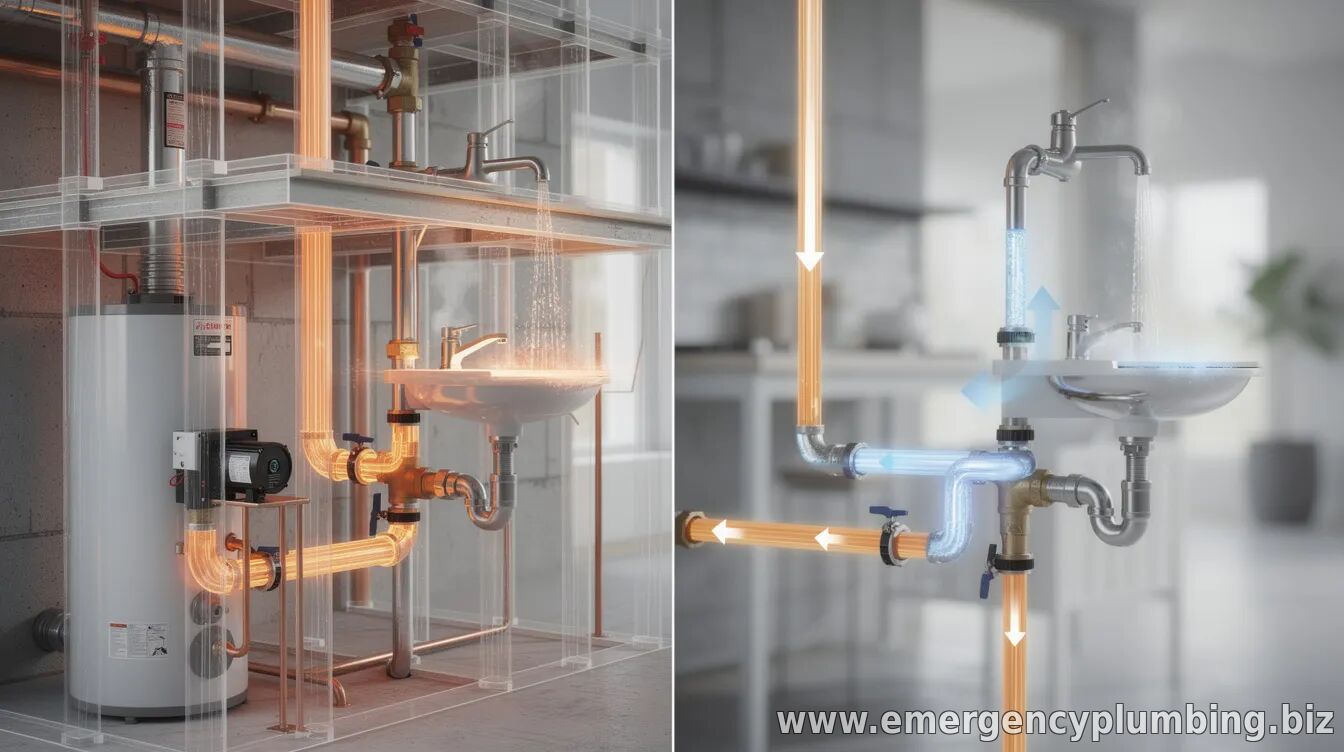
A hot water recirculating pump is designed to keep hot water moving through your home’s plumbing so it’s available at the faucet or shower with less wait time. Instead of letting hot water sit in the pipes until you turn on the tap, the system circulates it continuously (or on a schedule), returning cooled water to the water heater to be reheated.
While the idea is simple, deciding whether you need one depends on several practical factors—especially your pipe layout, your typical usage patterns, and your tolerance for energy costs. How a recirculating pump works
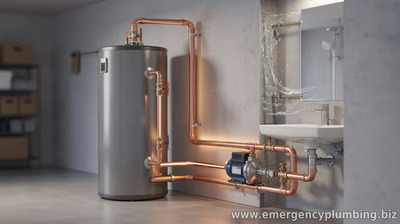
In most homes, hot water leaves the water heater, travels through the hot-water line to the fixture, and then cools in the pipes when you’re not using it. A recirculating pump moves water through that loop so the hot line stays warm. Many systems also include controls such as timers, temperature sensors, or occupancy-based triggers to avoid running the pump when hot water isn’t needed.
Some setups use a return line (a true “loop”), while others may rely on specific configurations depending on plumbing design and the type of recirculation equipment installed. When you’re most likely to benefit
A recirculating pump can be especially helpful when hot water is frequently used at multiple fixtures and the distance from the heater is long. Homeowners often consider one if they regularly wait for hot water—particularly during mornings, at shared bathrooms, or when using fixtures that are far from the water heater.
It’s also a strong fit for households that value convenience and prefer minimizing water waste caused by running the tap while waiting for temperatures to rise. When you may not need one
If your water heater is close to your primary bathrooms and hot water reaches fixtures quickly, the wait time may be short enough that the added equipment isn’t worth it. Similarly, if household schedules are irregular and you can’t reliably time usage, systems that run too often may increase energy consumption.
In homes with efficient plumbing layouts—or if you’re already using alternative approaches like point-of-use heaters—recirculation may provide limited additional benefit. Energy, cost, and water savings: what to consider
The core tradeoff with recirculating pumps is convenience vs. operating cost. When the pump runs, additional heat is maintained in the pipes, which can raise energy use—though smart controls and insulation can reduce losses. In return, you may save water by using less time “running it hot” from the tap.
To judge whether it’s a good investment, compare your current hot-water delay (time and wasted water) with the expected runtime of the recirculation system. Many owners find the biggest payoff when the pump can be limited to periods of predictable demand (for example, early mornings and evenings). Key questions to decide
For many households with long pipe runs and consistent peak usage times, a recirculating pump can noticeably improve comfort and reduce water waste. For homes where hot water arrives quickly, the savings may be smaller—and the added system may not be justified.
Before installing, it can be helpful to review your plumbing configuration, heater type, and local utility rates, and to consider whether a controlled or efficient recirculation approach best matches your daily routine.
| |
⏰ Dispatcher support 24/7
📞 224-754-1984CALL ☎ Subscribe 👆 FORUM 🗣
North Shore, Northwest suburbs of Chicago, IL
Next & Previous posts
Related articles: