

0:54 AM Flood Control Systems in Illinois: What They Are | |
Flooding in Illinois can come from multiple sources: prolonged rainfall that overwhelms storm sewers, rapid creeks and streams that rise quickly, and major rivers that crest after upstream storms. To manage these risks, the state and local agencies rely on a mix of engineered infrastructure and ongoing maintenance funded through public and federal programs.
Flood control systems are designed to reduce the frequency and severity of flooding—but they don’t eliminate water entirely. Instead, they aim to manage where water goes, slow its movement, and protect homes, businesses, and critical services. What flood control systems include
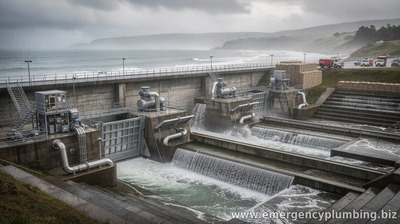
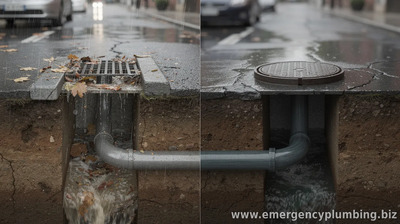
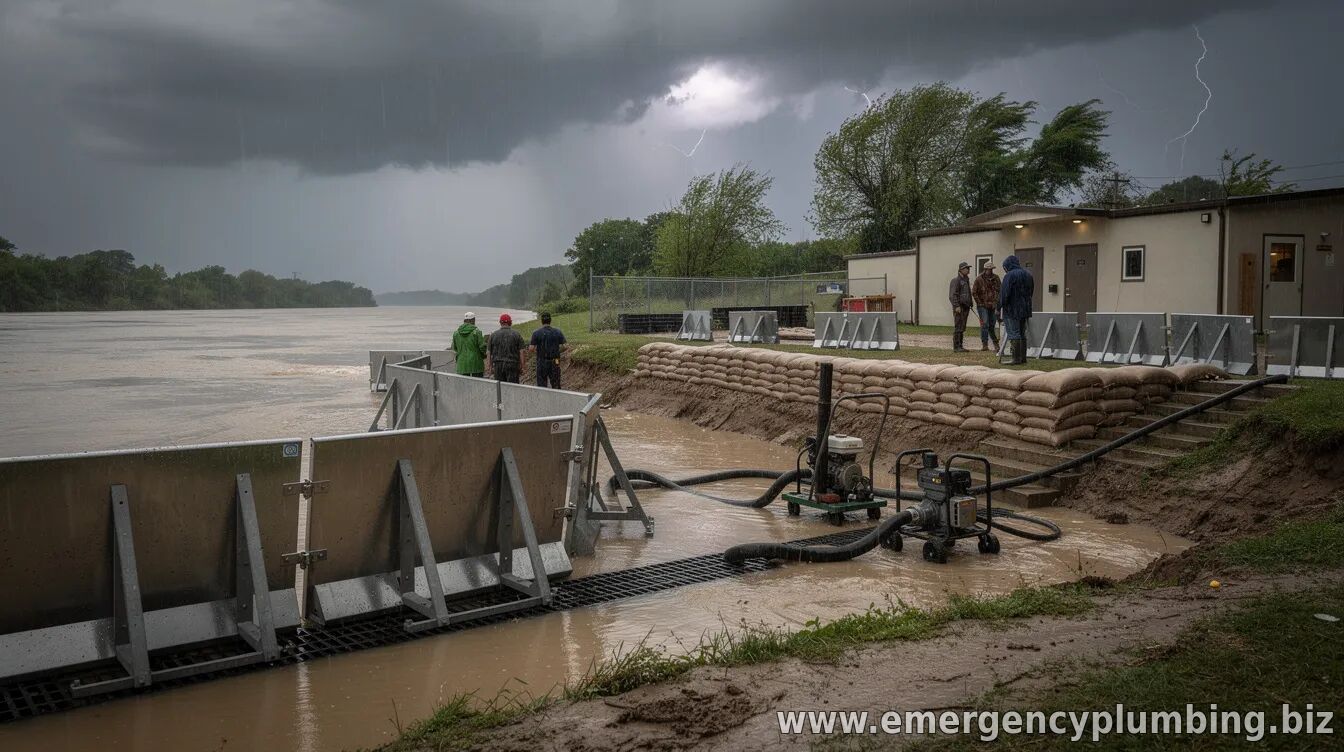
In Illinois, flood protection typically combines physical structures with land and water management. Common components include levees and floodwalls along rivers, detention and retention basins that temporarily store stormwater, and dams that regulate flows. For smaller watersheds and urban areas, stormwater conveyance systems—such as upgraded culverts, channels, and pumping stations—can be critical when rainfall exceeds drainage capacity.
Equally important is the “soft” infrastructure: floodplain management, building codes that encourage elevation or flood-resistant design, and land-use planning that limits development in high-risk areas. Many flood-control efforts also include nature-based approaches like restoring wetlands and improving stream buffers to increase water absorption and reduce peak runoff. How systems are planned and maintained
Because flood risk depends on local geography, most projects are planned at the watershed or municipality level. In Illinois, responsibility is often shared among state agencies, local governments, and special-purpose districts. These organizations coordinate studies, permits, and construction—and then maintain assets through vegetation control, inspections, sediment management, and repairs.
Funding can come from local budgets, state initiatives, and federal support tied to flood-mitigation priorities. Projects may focus on structural improvements (for example, strengthening levees) or risk reduction strategies (for example, buying out repetitive-loss properties or mapping changes that guide insurance and development). Who needs flood control—and why
Not every property requires the same level of protection, and “needing” can mean different things: some areas need system-wide upgrades because neighborhood drainage fails during heavy storms; others require targeted measures to address a specific outflow path or groundwater seepage risk.
Generally, additional flood-control measures are most relevant for properties in mapped floodplains, neighborhoods with repeated nuisance flooding, and communities along rivers and tributaries where water rises quickly. Businesses that must protect inventory, equipment, or uninterrupted operations may also prioritize risk reduction—especially where downtime after a storm would be costly.
Residents and property owners should also pay attention if their area has a history of backflow issues, failed sump systems, or roadway flooding that traps water near buildings. In many cases, the most practical solution is a combination of public improvements (upgraded drainage infrastructure) and private steps (floodproofing, elevating utilities, and improving grading around the home). Questions to ask before choosing protection
For communities considering investments—or for property owners deciding on upgrades—expert assessment is essential. Key questions include whether the flood source is river-related, surface-water runoff, or a local drainage bottleneck; what level of protection is being targeted; and how the system will be maintained over time.
Engineers and local floodplain managers can also help clarify whether proposed measures align with regional plans and mapping updates. Proper design matters: a barrier that stops floodwater in one location can redirect it elsewhere if drainage pathways and overflow routes aren’t accounted for.
As Illinois continues to experience intense rainfall events, flood control remains a moving target—shaped by climate patterns, growth, and infrastructure condition. The best results typically come from coordinated planning, regular maintenance, and risk-based decisions that match the level of exposure.
| |
⏰ Dispatcher support 24/7
📞 224-754-1984CALL ☎ Subscribe 👆 FORUM 🗣
North Shore, Northwest suburbs of Chicago, IL
Next & Previous posts
Related articles: