
0:08 AM How a Smart Thermostat Can Lower Heating Bills in Illinois | |
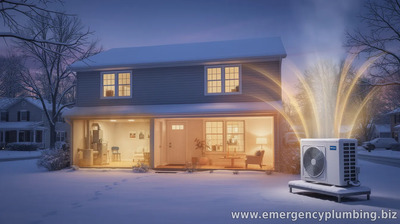
Illinois winters can be expensive, especially when heating systems run longer than they need to. A smart thermostat is designed to make that control more efficient—by automating temperature changes, avoiding unnecessary heating, and helping homeowners monitor and manage energy use in real time.
While no device can eliminate every utility cost, smart thermostats often reduce waste by ensuring your home heats only when it matters most. For Illinois households, that can translate into lower bills during the coldest months. 1) Learning your schedule to avoid “heating empty rooms”
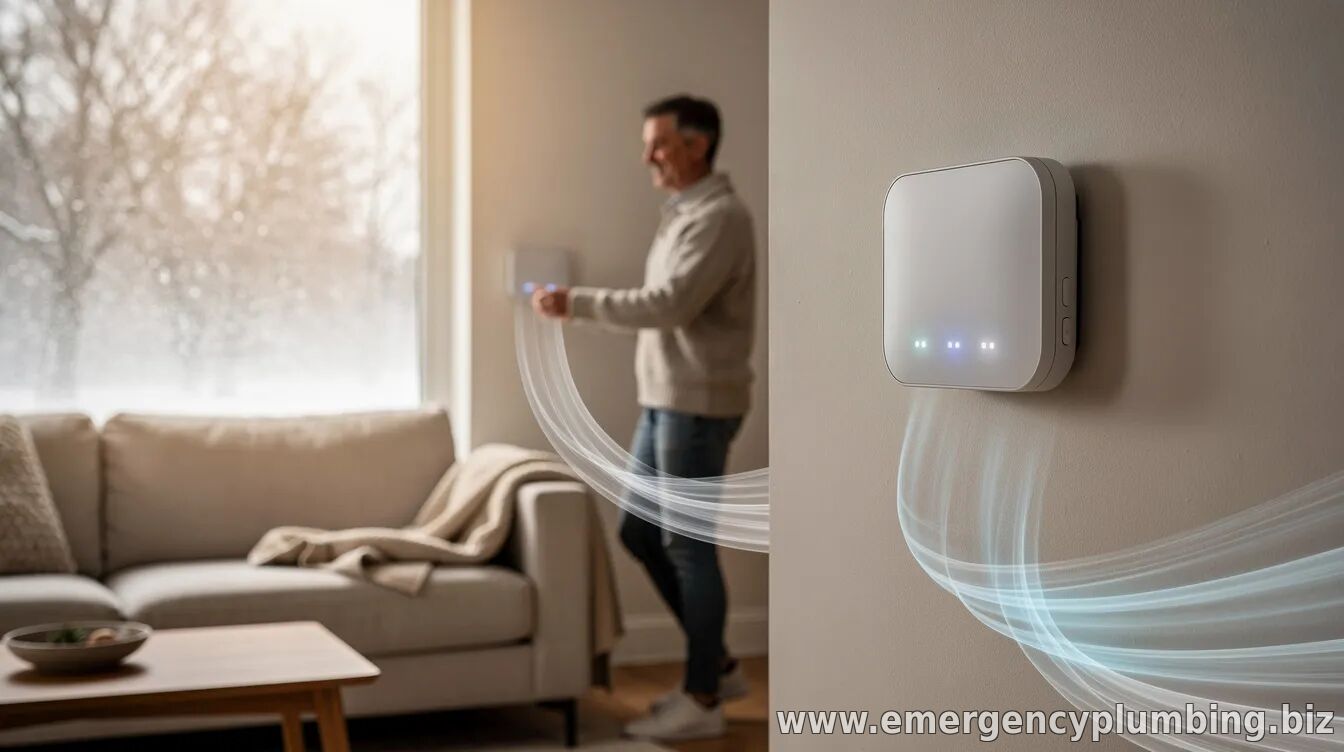
Many smart thermostats use motion sensors, phone location data, or learning algorithms to understand when you’re home and when you’re away. Instead of keeping the house at a constant temperature, the thermostat can lower heating when people are out and warm up before you return. This helps reduce runtime for your furnace or boiler, particularly on workdays and during sleep hours.
In practice, the biggest savings typically come from reducing time spent heating when the home is unoccupied or when outdoor temperatures are stable enough that brief adjustments are sufficient. 2) Smarter control improves comfort and efficiency
Traditional thermostats are often binary—turn heating on or off at set points. Smart thermostats can use more advanced control strategies (depending on model), which may reduce temperature swings and improve comfort. More consistent indoor temperatures can also help prevent the system from “overcorrecting,” a common source of wasted energy.
Some units also offer features like geofencing, adaptive recovery (warming the home ahead of schedule so you’re comfortable when you want), and activity-based temperature profiles that adapt over time. 3) Weather and usage insights make adjustments easier
Most smart thermostats provide energy reports or usage insights in an app. Homeowners can see patterns such as which days consume the most energy, how often the system cycles, and what temperature changes correlate with bill increases. With this information, users can fine-tune settings—like setting a slightly lower night temperature or adjusting recovery times—without guessing.
In Illinois, where temperatures can swing from cold mornings to milder afternoons, these insights can be especially useful. Instead of relying on a single schedule, you can refine the thermostat’s behavior as conditions change. 4) Pairing with best practices can boost savings
A smart thermostat works best when paired with simple steps that reduce heat loss. Ensuring drafts are sealed around doors and windows, using weather stripping, maintaining HVAC equipment, and setting reasonable temperature targets all support efficiency. Even the most advanced thermostat can’t fully compensate for a poorly insulated home.
For many households, a practical starting point is to set comfort temperatures during occupied hours and use setbacks during sleep or extended absences—then let the thermostat handle the timing. Over time, iterative adjustments guided by app data can help lock in improvements.
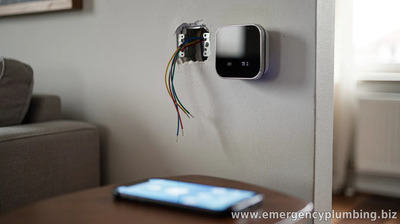
For Illinois residents considering an upgrade, it’s also worth checking whether your thermostat is compatible with your HVAC system (forced air vs. boiler, single-stage vs. multi-stage) and whether it supports features you want, such as remote control, energy reports, and adaptive scheduling.
Bottom line: a smart thermostat can lower heating bills by reducing unnecessary furnace runtime, improving temperature control, and making energy use visible. With the right setup and a few efficiency-focused habits, homeowners can cut waste while staying comfortable through Illinois’ winter season.
| |
⏰ Dispatcher support 24/7
📞 224-754-1984CALL ☎ Subscribe 👆 FORUM 🗣
North Shore, Northwest suburbs of Chicago, IL
Next & Previous posts
Related articles: