

0:09 AM Indoor Fountain Installation: Plumbing Requirements Checklist | |
Indoor fountains can transform a room, but their look depends on reliable plumbing. Unlike outdoor setups, indoor installations need careful planning for water supply, pump operation, and—most importantly—safe drainage and overflow control.
Before you buy parts, decide on the fountain’s recirculating design. Many indoor models use a closed-loop system where a pump pulls water from a reservoir and returns it to the display. Others require a continuous feed with drainage. Your selection determines what plumbing lines (water supply and/or drain) you actually need.
1) Water supply: where the incoming water comes fromMost recirculating fountains still need some method to top off evaporated water. Options include connecting to a household water line via a small shutoff valve (often under a sink) or using a refill approach depending on system design. If you connect to plumbing, include a dedicated shutoff for maintenance and to prevent accidental overfilling.
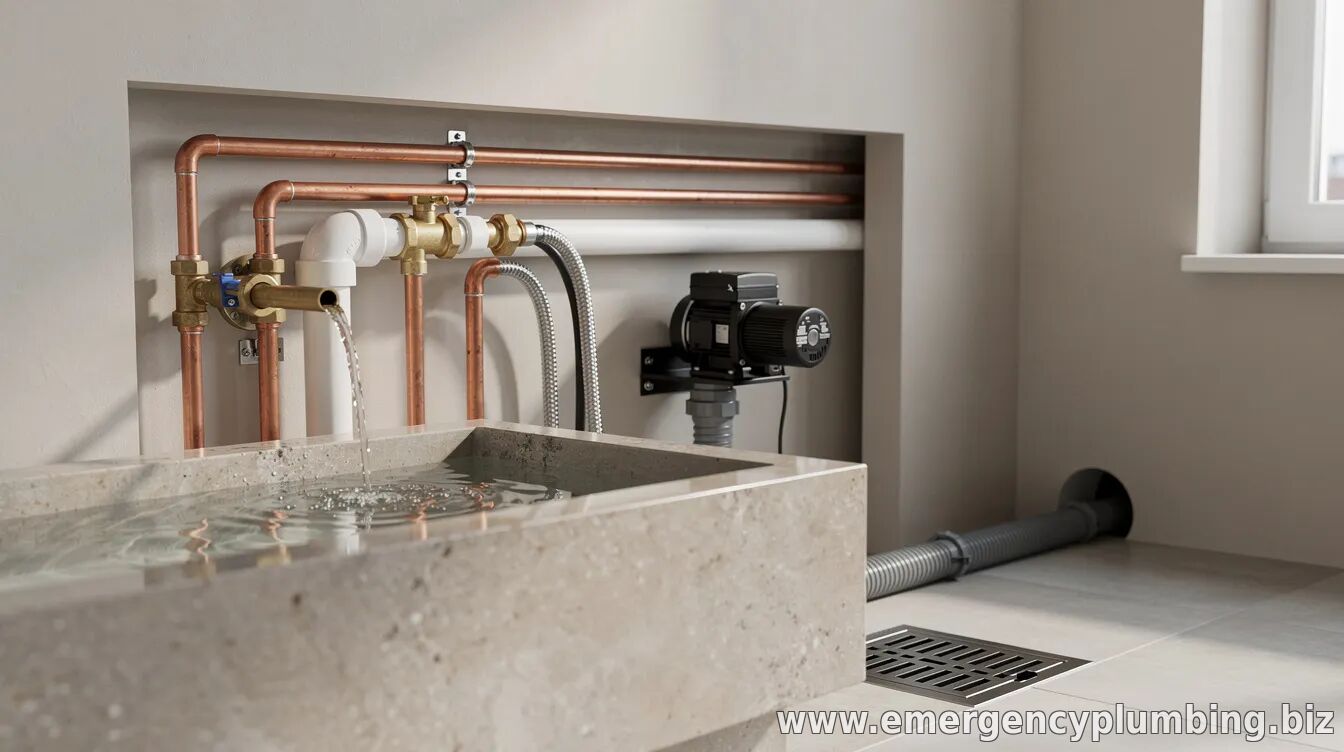
2) The pump and plumbing sizing that match the fountainThe pump is the heart of the water system, and plumbing requirements start with correct flow and head pressure. Supply lines, tubing diameter, and fittings should match the pump’s recommended specs to avoid cavitation, excessive noise, and uneven water distribution. For larger basins or fountains with multiple outlets (for example, a spillway plus a return), the plumbing layout may need balancing so water reaches each feature consistently.
Because indoor systems are often sensitive to noise, many installers use flexible tubing and vibration-dampening connections where appropriate. You’ll also want easy access to the pump compartment so routine cleaning doesn’t require removing heavy components from the room.
Overflow protection is not optional. A proper indoor fountain should include an overflow route back to the reservoir or to an appropriate drain. This usually requires overflow tubing sized to handle the maximum expected flow if the water level rises. Without it, small circulation failures can turn into leaks on floors and into adjacent spaces.
3) Drainage and leak control for indoor safetyEven recirculating fountains can spill, splash, or leak during maintenance. Plan a drainage-safe setup by ensuring the reservoir is contained and any overflow is directed to a location you can manage—either back to the tank or to a designated drain path. Where local codes require it, a drain connection should be protected to prevent backflow into the home’s water system.
Consider water-proofing and moisture management around the installation area. A fountain typically produces high humidity near the base, and splash zones can wet surrounding surfaces over time. Using trays, splash guards, and moisture-resistant materials can reduce long-term damage risks.
4) Backflow prevention and code considerationsIf your fountain uses a direct plumbing connection to the home water supply, backflow prevention may be required to protect drinking water. An air gap or backflow preventer setup—chosen based on local regulations and the fountain’s design—can help prevent contaminated water from siphoning into the water line. For best results, confirm requirements with local plumbing code guidance or a licensed plumber.
Finally, think about shutoff and service access. A reliable indoor fountain installation typically includes accessible valves, an overflow path, and a layout that lets you service the pump, clean tubing, and replace filters without dismantling the entire unit.
With the right plumbing plan—recirculation strategy, correct pump and tubing sizing, safe drainage/overflow control, and code-aligned backflow protection—an indoor fountain can run quietly and reliably while minimizing water damage risks.
| |
⏰ Dispatcher support 24/7
📞 224-754-1984CALL ☎ Subscribe 👆 FORUM 🗣
North Shore, Northwest suburbs of Chicago, IL
Next & Previous posts
Related articles: