3:39 AM Plumbing Maintenance Schedule for Multi-Unit Buildings | |
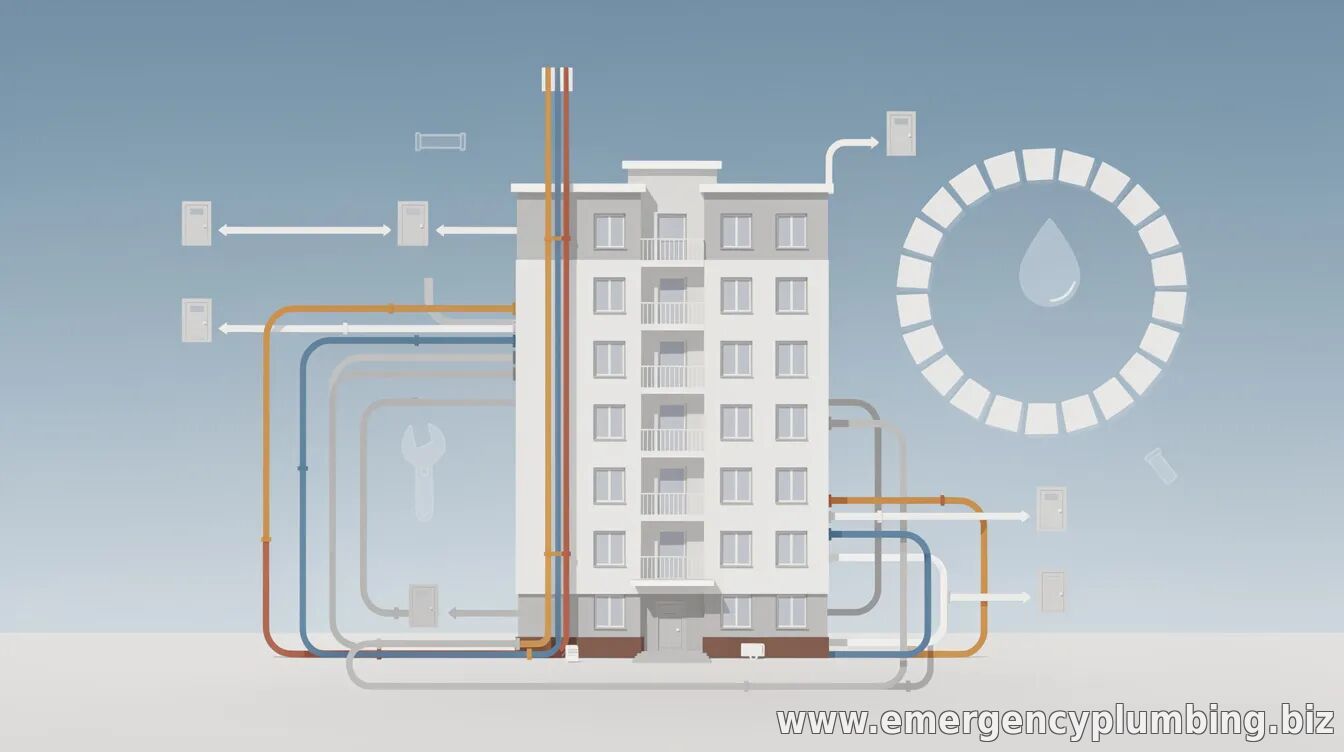
Multi-unit buildings rely on shared plumbing systems—supply lines, risers, drainage stacks, valves, and domestic hot water equipment—so small issues can escalate quickly into service disruptions, tenant complaints, and costly repairs. A structured maintenance schedule helps property managers spot wear early, reduce emergency callouts, and document compliance-ready inspections.
The schedule below is designed as a baseline framework. You should still tailor it to your building’s age, fixture types, water quality, local code requirements, and manufacturer recommendations for boilers, water heaters, pumps, and backflow devices. Monthly: focus on high-frequency checks
Run short inspections and quick preventive tasks that catch problems before they become emergencies. Start with tenant-facing signals (slow drains, recurring clogs, unusual odors, or pressure complaints) and verify upstream causes. Also inspect visible supply and drainage lines in common areas such as basements, mechanical rooms, and under-sink service spaces when access permits.
Quarterly: cleanouts, strainers, and system monitoring
Quarterly work is where routine “pre-clog” and “pre-wear” actions pay off. Drainage systems in multi-unit properties often accumulate sediment, grease, hair, and mineral scale over time—even when tenants report only partial symptoms.
Semiannual: deeper inspection and targeted testing
Twice per year, perform more thorough checks on components that can fail under pressure or lead to large-scale water damage. This is also a good rhythm for flushing select lines and addressing scale buildup.
Annual: compliance-ready reviews and major preventive care
Annual maintenance should include documentation that you can provide to stakeholders and that aligns with local codes and warranty terms. Use this window to renew critical parts, evaluate system performance trends, and plan capital repairs for components approaching end-of-life.
Beyond the calendar, consider adding “event-based” maintenance triggered by circumstances like tenant-reported repeated clogs in the same zone, recurring pressure fluctuations, discoloration of water, or after any major construction work affecting plumbing penetrations.
For best results, assign ownership: a maintenance lead to track work orders and verify completion, a plumber or licensed service provider for testing and cleaning, and a communication process for tenant updates. A simple log—date, unit/building area, findings, photos, and corrective actions—turns routine maintenance into an auditable record.
With a consistent multi-unit plumbing schedule in place, you can reduce emergency leaks and backups, stabilize hot-water performance, and extend system life—while giving tenants clearer expectations when maintenance is planned versus reactive.
| |
⏰ Dispatcher support 24/7
📞 224-754-1984CALL ☎ Subscribe 👆 FORUM 🗣
North Shore, Northwest suburbs of Chicago, IL
Next & Previous posts
Related articles: