

0:13 AM Low Water Pressure in a Multi-Story Home: Causes & Fixes | |
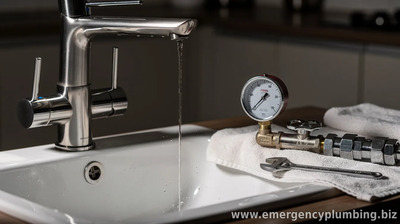
Experiencing weak water flow on the second or third floor of a multi-story home is frustrating—and it often points to a few repeat offenders. The key is figuring out whether the problem starts at the street (upstream) or only affects certain fixtures (downstream). From clogged aerators to water-pressure regulators, here are the most common causes and the most effective remedies.
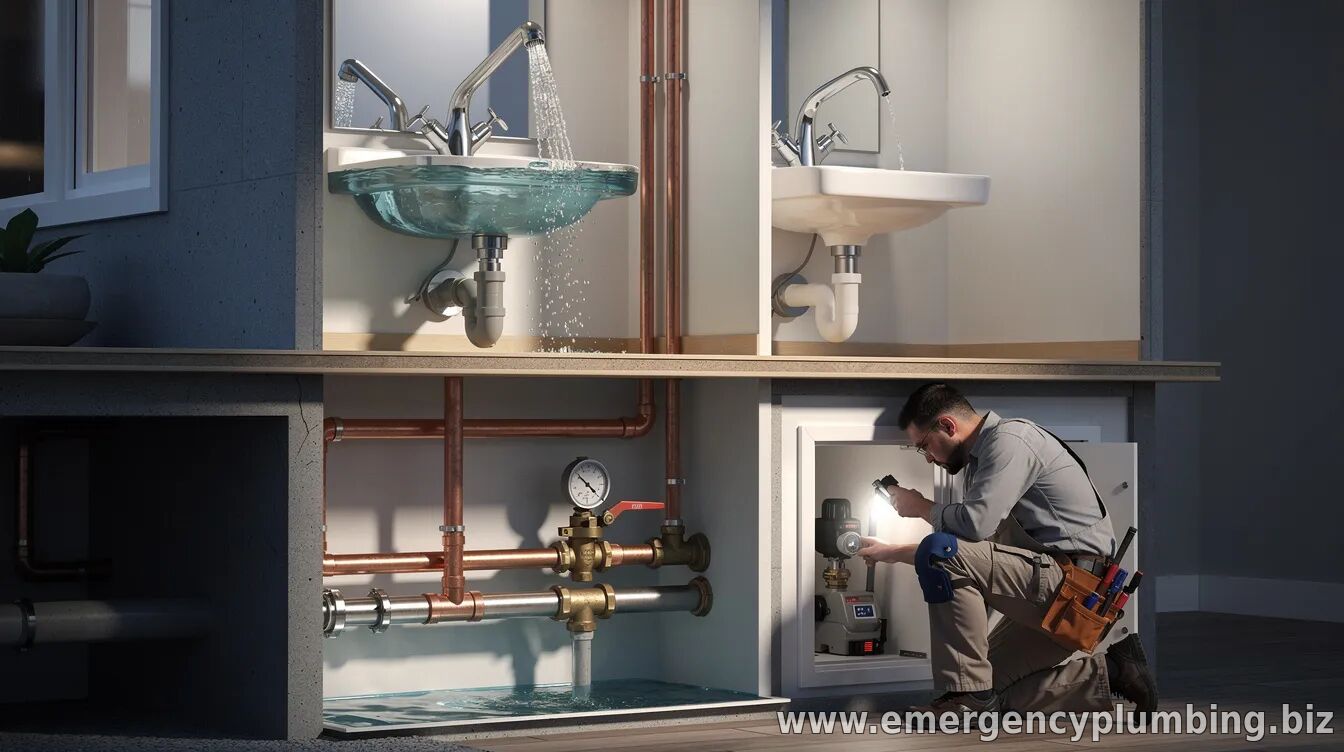
First, narrow down where the pressure drops. If all hot and cold faucets show low flow, the issue likely sits on the main supply line, the pressure regulator, or the water meter/valve area. If only a few fixtures are affected—or only hot water is weak—the cause is usually localized to those pipes, valves, or the water heater. Common causes of low pressure in multi-story homes
1) Partially closed shutoff valves. A main shutoff valve, fixture shutoff, or a valve near a water heater or pump can be left partly closed after prior work. Even a small restriction can noticeably reduce flow on upper floors.
2) Clogged faucet aerators and showerheads. Mineral scale or debris can restrict flow devices. Aerators often fail gradually, so pressure seems fine in one area while others feel weak—especially in showers.
3) Sediment buildup in supply lines. Over time, sediment can accumulate in older homes, narrowing pipes and reducing pressure. This effect is typically more noticeable on hot water lines and at fixtures farther from the water source.
4) Failing or mis-set pressure regulator. Many homes use a water-pressure regulator to protect plumbing. If it’s clogged, worn out, or set too low, the entire house can feel underpowered, and upper floors are usually worse.
5) Water heater issues (for hot water problems). If cold water pressure is normal but hot water is weak, the cause may be a failing heating system, a restricted dip tube, or clogged sediment inside the heater.
6) Leak or pressure-reducing problems. A hidden leak can reduce available pressure, especially if it increases during certain draw periods. While leaks aren’t always obvious, they can create a “low pressure” complaint that appears sporadically. DIY fixes you can try safely
Step 1: Check pressure at multiple points. Compare cold and hot water at the same time from a ground-floor faucet and an upstairs fixture. If one floor is consistently weaker, the system may be losing pressure as it rises through the home.
Step 2: Clean or replace aerators and showerheads. Remove aerators and showerheads, soak them in vinegar to dissolve mineral deposits, and rinse. If flow improves after reassembly, the issue was downstream and localized.
Step 3: Inspect shutoff valves. Make sure key valves are fully open. If you’re checking access points near the water heater, main supply, or individual fixture shutoffs, open them fully clockwise/counterclockwise per valve type and manufacturer guidance.
Step 4: Verify the pressure regulator setting (if present). If your home has a regulator, locate it near the main water entry and confirm the pressure setting matches local recommendations (often around the typical residential range). If the regulator appears corroded, leaking, or repeatedly low, it may need replacement.
Step 5: Address hot-water-only symptoms. If cold pressure is strong but hot water is weak, consider flushing the water heater (if appropriate for your model and condition) to remove sediment. If the heater is old or problems persist, a licensed plumber or technician can diagnose internal restrictions.
Step 6: Look for signs of leaks or abnormal pressure behavior. Watch for damp areas, dripping fixtures, unusually high water bills, or pressure that changes after specific appliances run. If you suspect a leak, shut off the main and consult a professional. When to call a plumber
Some situations require professional tools and expertise. Consider a plumber if you can’t restore pressure after cleaning fixtures and confirming valves, if the regulator seems faulty, if you suspect sediment in supply lines, or if you see evidence of a leak behind walls or underground.
Ask the technician to evaluate the system’s pressure at the meter and at representative upstairs/downstairs points, and to check for flow restrictions in the hot-water line, regulator performance, and pipe condition. With the right diagnosis, you can usually pinpoint whether the fix is as simple as cleaning aerators—or as involved as replacing a failing component or addressing sediment-related restrictions.
| |
⏰ Dispatcher support 24/7
📞 224-754-1984CALL ☎ Subscribe 👆 FORUM 🗣
North Shore, Northwest suburbs of Chicago, IL
Next & Previous posts
Related articles: