

1:09 AM What Is a Water Hammer and How Do You Fix It? | |
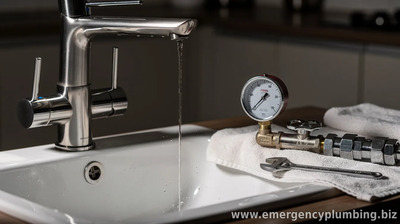
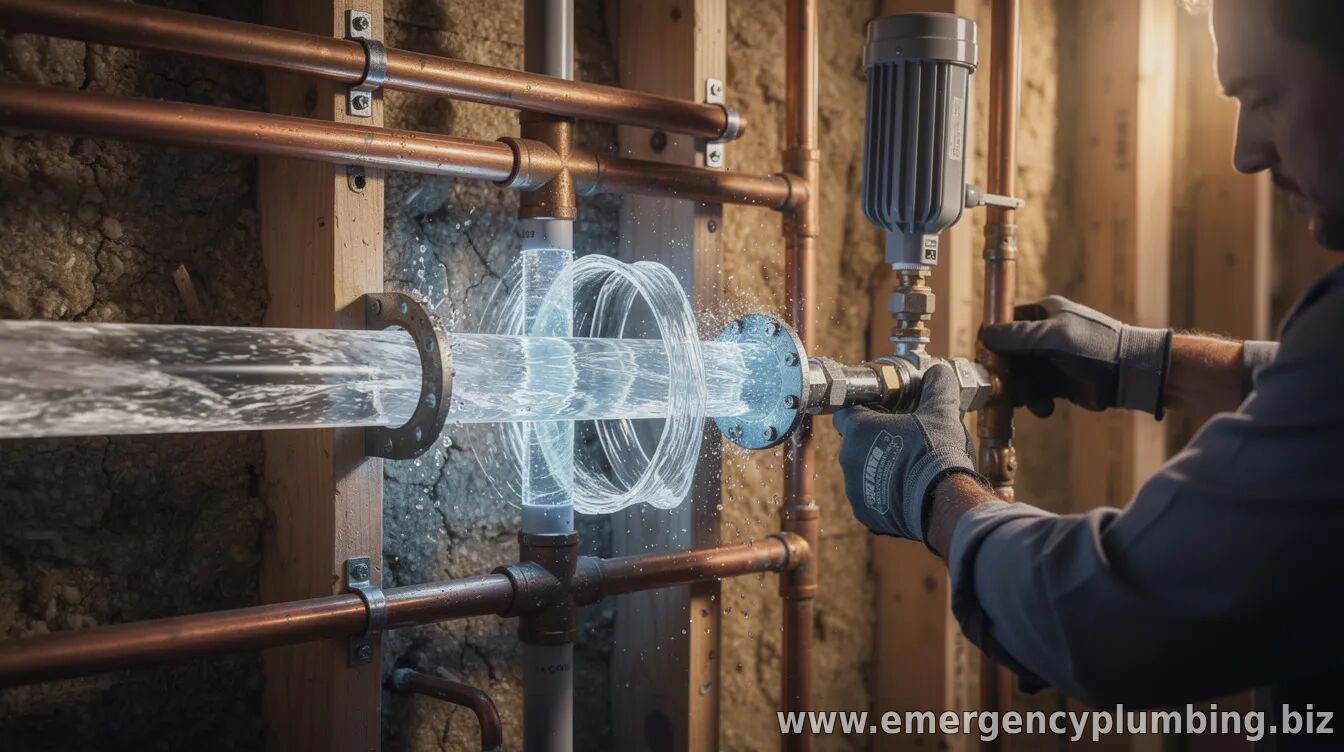
Water hammer is the term plumbers use for the sudden “knock,” “bang,” or “thud” that sometimes occurs in a home’s plumbing system. The noise can be startling, but the bigger issue is what it can do over time: water hammer can contribute to loosened fittings, leaks, worn valves, and even pipe damage.
It usually happens when a tap, toilet fill valve, washing machine, dishwasher, or other device suddenly stops or reduces water flow. Even a short event can send pressure waves through pipes. What causes water hammer?
Water hammer isn’t caused by air in the system (though air can make symptoms worse). The core problem is rapid change in water velocity. When flow stops quickly, the moving water is forced to decelerate almost instantly, creating a shockwave that travels through the plumbing like a pressure pulse.
This can be triggered by high water pressure, fast-closing valves, worn or partially obstructed valves, or long pipe runs that give pressure waves more distance to build and echo. In multi-story homes, the effect can be more noticeable as the pressure and flow conditions shift between floors. Signs you may have a water hammer problem
Common indicators include banging noises near specific fixtures when they shut off, rhythmic knocking in the same pipes, or louder sounds when multiple water-using appliances run and then stop. Some homeowners also notice vibration in pipe straps or minor seepage at fittings.
If the noise is frequent, increasing in intensity, or accompanied by leaking at joints, it’s a strong sign the pressure surges are damaging components rather than just “making noise.” How to fix water hammer (practical steps)
Start by identifying the source. Turn on and off fixtures one at a time—especially toilets, showers, washing machines, and dishwashers—to find which devices and shutoff points trigger the bang. Then try the least invasive remedies first.
In many cases, a combination works best: reducing inlet pressure plus adding arrestors near the most problematic fixtures. When to call a plumber
Call a licensed plumber if the knocking continues after you’ve adjusted shutoffs, if you see leaks or water stains around fittings, or if you can’t pinpoint which fixture is causing the surge. A professional can measure water pressure, assess valve performance, and determine the correct placement and size of water hammer arrestors.
Because pressurization issues can affect the entire plumbing network, early attention can prevent bigger costs later—especially if the banging is frequent or escalating.
Bottom line: water hammer is a pressure-shock problem triggered by sudden flow changes. With careful troubleshooting—often involving pressure regulation, slower shutoff behavior, and properly installed arrestors—you can stop the noise and protect your pipes.
| |
⏰ Dispatcher support 24/7
📞 224-754-1984CALL ☎ Subscribe 👆 FORUM 🗣
North Shore, Northwest suburbs of Chicago, IL
Next & Previous posts
Related articles: