
0:56 AM Low Water Pressure at Home: 8 Common Causes | |
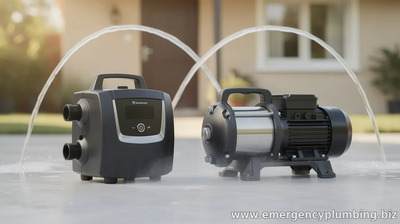
Sudden or persistent low water pressure can disrupt showers, dishwashing, laundry, and everyday use. While the fix depends on where the problem starts, many cases trace back to a handful of common causes—often something you can identify quickly with a few basic checks.
Below are the 8 most common causes of low water pressure at home, from localized blockages to supply-side issues.
1) Clogged showerheads, faucets, or aerators. Mineral deposits and debris can reduce flow at specific fixtures, making pressure weaker only at certain taps.
2) Partial shutoff valve issues. If a valve is partly closed—whether at the water heater, under a sink, or near a main line—the home may see reduced pressure throughout.
3) Water pressure regulator problems. Many homes have a pressure-reducing valve that can fail or shift, leading to consistently low pressure. (This is especially likely if the issue affects multiple floors or fixtures.)
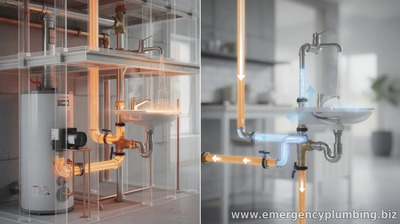
4) Pipe scale, corrosion, or internal buildup. Over time, deposits inside aging pipes can narrow flow paths, gradually lowering pressure—often most noticeable in hot water or during high-demand periods.
5) Leak somewhere in the plumbing system. Leaks can reduce pressure and waste water. Signs include damp spots, ceiling stains, unexplained water meter movement, or wet soil near exterior lines.
6) Clogged or obstructed supply lines. Debris can enter water lines through repairs, construction, or sediment buildup, causing pressure loss—sometimes affecting cold water first.
7) Water main or municipal supply issues. If neighboring homes experience similar problems, the cause may be upstream. These events can be temporary and tied to maintenance, demand surges, or local infrastructure problems.
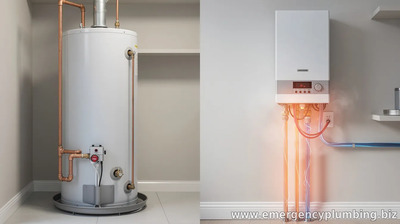
8) Water heater problems (for hot water pressure). Sediment buildup, a failing internal component, or blocked passages can reduce hot water pressure while cold water remains normal. Quick checks to narrow down the cause
Start by testing multiple fixtures. Compare hot vs. cold water and note whether only one faucet is affected or the entire home. Then check aerators and showerheads for clogging, and confirm that any nearby shutoff valves are fully open. If the issue is widespread, listen for unusual sounds in the plumbing and consider whether recent maintenance or leaks occurred.
If you can’t restore pressure after simple checks—or if you suspect a leak, regulator failure, or pipe blockage—contact a licensed plumber. They can measure pressure at the right locations and inspect lines safely to identify the root cause.
| |
⏰ Dispatcher support 24/7
📞 224-754-1984CALL ☎ Subscribe 👆 FORUM 🗣
North Shore, Northwest suburbs of Chicago, IL
Next & Previous posts
Related articles: