

0:50 AM Tree Roots in Sewer Lines: Signs, Inspections, Repairs | |
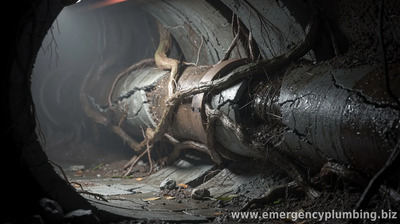
Tree roots are a common cause of sewer line problems in older homes and neighborhoods, especially where mature trees sit near buried pipes. While roots may initially enter through tiny cracks or weak joints, they can grow over time, forming blockages that restrict flow.
When a sewer line is affected, homeowners often notice symptoms first—sometimes long before a complete blockage occurs. Early recognition can reduce the risk of sewage backups, odors, and emergency repairs. Warning signs of root intrusion
Clues that tree roots may be invading a sewer line include recurring or persistent clogs, especially in the same location. You may also notice slow drains across multiple fixtures, gurgling sounds from toilets or sinks, or foul odors near drains or cleanouts.
In some cases, toilets back up during heavy rainfall or after water use spikes, suggesting the line is partially restricted. If routine drain cleaning no longer solves the issue, root intrusion becomes more likely—particularly if the problem has gradually worsened over months. How video inspection pinpoints the problem
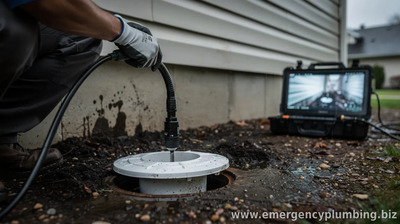
Most plumbing and wastewater professionals use closed-circuit television (CCTV) to examine the inside of sewer lines. A small camera is inserted through a cleanout, and footage is recorded to identify the exact pipe section, the nature of the blockage, and the condition of pipe walls and joints.
Video inspection helps differentiate tree roots from other causes such as grease buildup, collapsed pipe, or misaligned sections. The footage can show the size and extent of root growth, whether roots are pressing into the pipe, and whether additional structural damage is present. Repair options after inspection
Repair choices depend on where the roots are located and how much damage exists. If roots are limited and the pipe structure remains largely intact, technicians may use methods aimed at clearing obstructions and restoring flow. However, clearing alone may not be enough if root entry points and damaged joints remain.
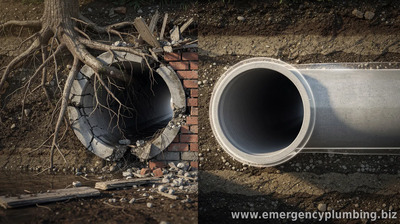
For longer-term solutions, many properties benefit from repair approaches that address the underlying infiltration pathway. Options may include sealing vulnerable joints or lining the pipe to create a smoother interior surface and reduce future root penetration.
In more severe cases—such as where the pipe is collapsed or substantially compromised—replacement of the affected segment may be recommended. That approach can be paired with steps to reduce re-intrusion risk, especially when trees are close to the sewer route. What homeowners can do next
If you suspect tree roots in your sewer line, avoid relying solely on repeated chemical treatments or short-term cleanouts. Instead, request a video inspection to confirm the cause and document the condition of the line. From there, you can compare repair plans based on the camera findings.
It’s also wise to consider how water is being used when problems start—frequent clogs during peak usage may reflect partial restrictions that worsen under higher flow. Keeping cleanout access clear and noting when symptoms occur can help technicians diagnose the issue more efficiently.
Tree roots can be managed effectively when homeowners catch warning signs early and choose repairs guided by CCTV evidence. With the right inspection and the appropriate repair strategy, you can restore reliable drainage and reduce the likelihood of recurring backups.
| |

⏰ Dispatcher support 24/7
📞 224-754-1984CALL ☎ Subscribe 👆 FORUM 🗣
North Shore, Northwest suburbs of Chicago, IL
Next & Previous posts
Related articles: