

1:02 AM UV Water Purification: How It Works and When You Need It | |
UV water purification is a point-of-use (POU) or point-of-entry (POE) treatment method that uses ultraviolet light to deactivate microorganisms in water. Unlike boiling, UV doesn’t rely on heat; unlike chemical disinfection, it typically leaves no taste or smell. For households, travelers, and some facilities, UV has become a go-to option when reliable microbial control matters.
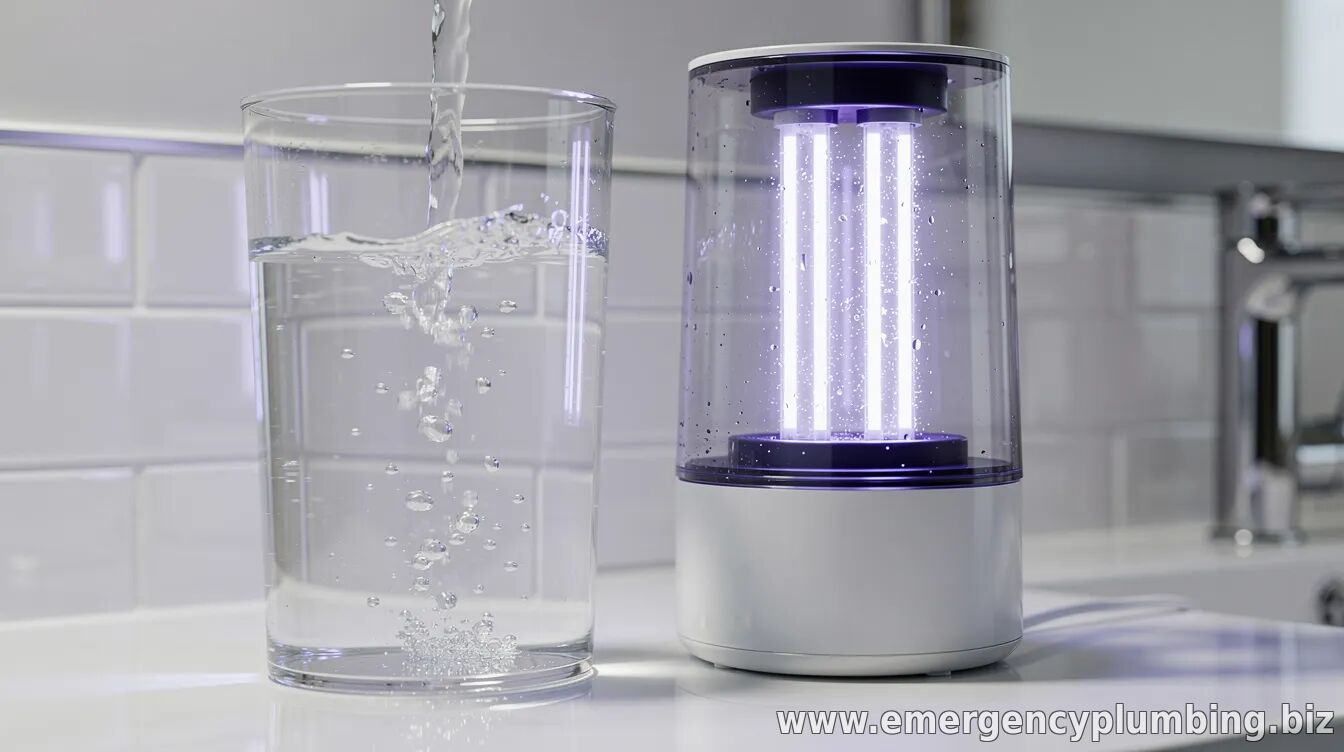
The core idea is simple: expose water to the right dose of UV radiation so that pathogens can’t reproduce. In most UV systems, water flows through a chamber where a UV lamp emits UV-C light (commonly around 254 nm), which targets the DNA and RNA of bacteria, viruses, and some protozoa. How UV water purification works
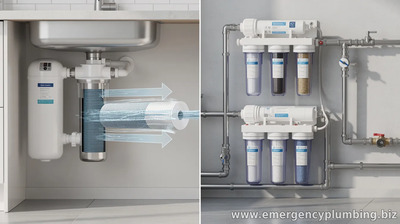
In practice, a UV unit is built around four elements: a UV lamp (the UV source), a quartz sleeve (to protect the lamp while allowing UV transmission), a flow path (so water passes through the treatment zone), and controls/sensors (to help ensure the lamp delivers the required output). Some systems also include a cleaning mechanism and water-quality monitoring to reduce performance drops caused by scaling or fouling.
UV effectiveness depends on dose—determined by lamp intensity, exposure time, and how clean the water is. If the water contains particles, turbidity, or biofilm that block UV light, the microbes may not receive enough radiation to be fully inactivated. That’s why many UV installations recommend or require pre-filtration to protect the system and maintain performance over time. What UV can and can’t do
UV disinfection is generally excellent for microbial control, but it is not a general “water purifier” in the broad sense. It does not remove dissolved chemicals, heavy metals, or salts; it primarily addresses live microorganisms. For that reason, UV is often used alongside filtration (for sediment and turbidity) and, when needed, other treatment steps such as activated carbon (for taste/odor and some organics) or reverse osmosis (for dissolved contaminants).
Another practical limitation is water quality at the time of treatment. UV systems are designed for microbial inactivation—not for emergency removal of gross contaminants. If water is highly cloudy or contains high levels of suspended solids, the UV dose delivered to microbes can fall below effective levels, increasing the importance of pre-treatment and regular maintenance. When you need UV purification
UV systems are commonly considered when users want chemical-free disinfection at the tap or when they need consistent microbial control without changing water taste. Common use cases include private wells, households on municipal water during periods of elevated risk, RVs and boats, and select commercial or institutional settings where standardized disinfection is required.
UV is also often chosen by people who want a straightforward solution for drinking and cooking water—especially when paired with appropriate filtration. In many homes, UV may be particularly valuable where periodic concerns about well water bacteria or virus contamination arise, such as after heavy rainfall events or changes in local water conditions.
However, UV should be treated as part of a system. If you have recurring turbidity, rust, or sediment, addressing those issues first (with proper filtration and maintenance) is essential to keep UV performance dependable. Maintenance and safety checks
Like any technology, UV disinfection requires care. UV lamps have a service life, and output can decline over time—so replacement schedules matter. Many UV units include indicators that prompt users to check lamp status or service intervals. Quartz sleeves also need periodic cleaning because scale or film buildup can reduce UV transmission.
For best results, users should follow manufacturer guidance, verify that pre-filtration is functioning, and consider routine testing of water quality where appropriate. While UV can help reduce microbial risk, it does not eliminate the need for overall water safety practices, especially if other contaminants are present.
UV water purification can be an effective, chemical-free way to inactivate microorganisms when the system is properly sized, installed, and maintained. The key is matching UV to your water’s quality—particularly turbidity—and using complementary treatment steps when dissolved contaminants are a concern.
| |
⏰ Dispatcher support 24/7
📞 224-754-1984CALL ☎ Subscribe 👆 FORUM 🗣
North Shore, Northwest suburbs of Chicago, IL
Next & Previous posts
Related articles: