

1:23 AM Reverse Osmosis vs Whole-House Filtration: Key Differences | |
Choosing between reverse osmosis and a whole-house filtration system often comes down to one question: What problem are you trying to solve? Both approaches can make household water taste better and reduce certain contaminants, but they differ in what they remove, where they work, and how they affect plumbing and long-term system costs.
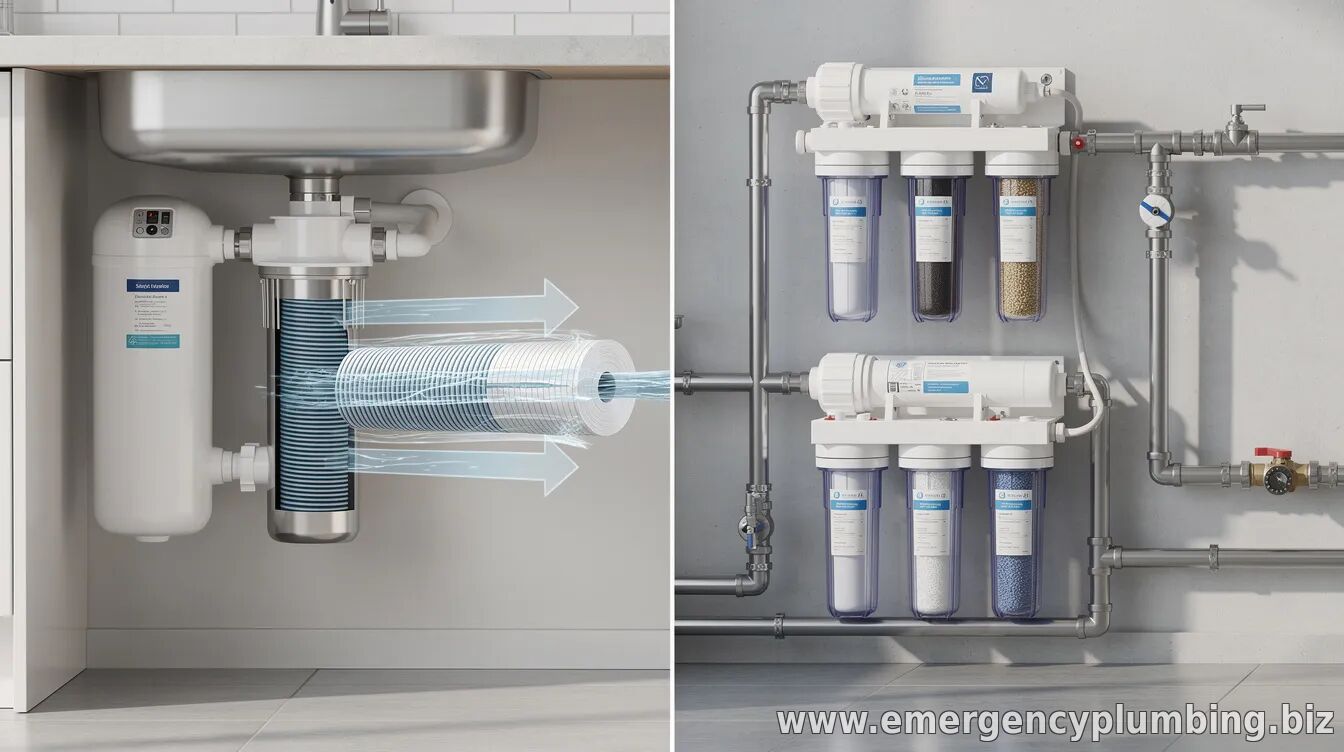
Reverse osmosis (RO) uses a semi-permeable membrane and water pressure to separate dissolved impurities from water. Whole-house filtration typically uses one or more filter stages (such as sediment, carbon, or specialty media) to treat the water as it flows into your home. How reverse osmosis works (and what it removes)
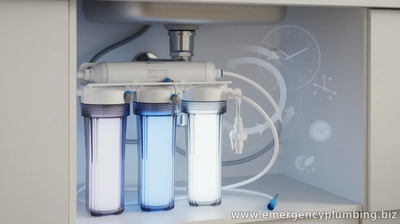
An RO system forces water through a membrane that allows water molecules to pass while rejecting many dissolved substances. Depending on the system design and pre-treatment, RO is commonly used to reduce contaminants like dissolved salts and some heavy metals, as well as to improve taste and odor.
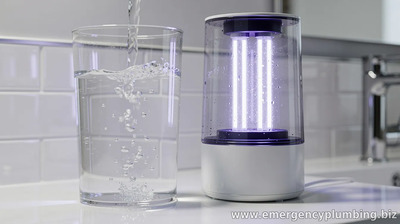
Because RO is usually installed at the point of use—such as under a kitchen sink—it delivers highly purified drinking water where it matters most. Many homeowners pair RO with additional filtration or UV treatment elsewhere to handle different concerns across the home. How whole-house filtration works (and why it’s popular)
Whole-house filtration is designed to treat water before it enters the plumbing system. By removing sediment, chlorine taste/odor, and other particles upstream, these systems can reduce buildup in pipes and help protect fixtures and appliances like water heaters and dishwashers.
Whole-house systems can be especially appealing for households with noticeable water odor, visible sediment, or scale issues. The trade-off is that they may not achieve the same level of contaminant reduction for dissolved substances as a well-configured RO setup. Key differences to consider
When comparing RO versus whole-house filtration, focus on the contaminants you’re actually targeting and where you want the improvement. RO tends to be most effective for dissolved impurities in drinking water, while whole-house filtration emphasizes broader protection for the home’s water system.
The best choice also depends on your incoming water profile. A professional water test (or a reliable lab test) can clarify whether your concerns are mostly about sediment and chlorine, dissolved minerals and metals, or both.
In many households, the most practical solution is a combination: whole-house filtration for overall protection and improved water quality at every tap, plus RO for kitchen drinking water. This approach can balance performance with cost by reserving the most intensive treatment for the water you consume most.
Before you buy, ask vendors what media or membrane is used, whether pre-filtration is included, what contaminants are verified in their claims, and what ongoing maintenance is required. With the right configuration—and confirmation by water testing—either RO or whole-house filtration can deliver meaningful improvements to everyday water quality.
| |
⏰ Dispatcher support 24/7
📞 224-754-1984CALL ☎ Subscribe 👆 FORUM 🗣
North Shore, Northwest suburbs of Chicago, IL
Next & Previous posts
Related articles: