

4:29 AM Water Treatment System Installation: A Homeowner's Guide | |
 Water quality matters for daily use, from drinking to laundry. A properly installed water treatment system can address common concerns such as hard water, sediment, chlorine taste, and iron staining. This guide outlines practical steps for homeowners considering a DIY approach or professional installation.
Start with a water test to determine the contaminants present and the treatment options that will be most effective. Local water reports can provide a baseline, but a certified lab test can reveal specifics like mineral content, pH, and iron levels that influence system choice.
Choose a system that matches your household needs and water quality. Common options include point-of-use filters for a single faucet, whole-house softeners for mineral reduction, reverse osmosis systems for drinking water, and specialized filters for sediment or iron. Consider flow rate, space, maintenance frequency, and operating costs when selecting a model.
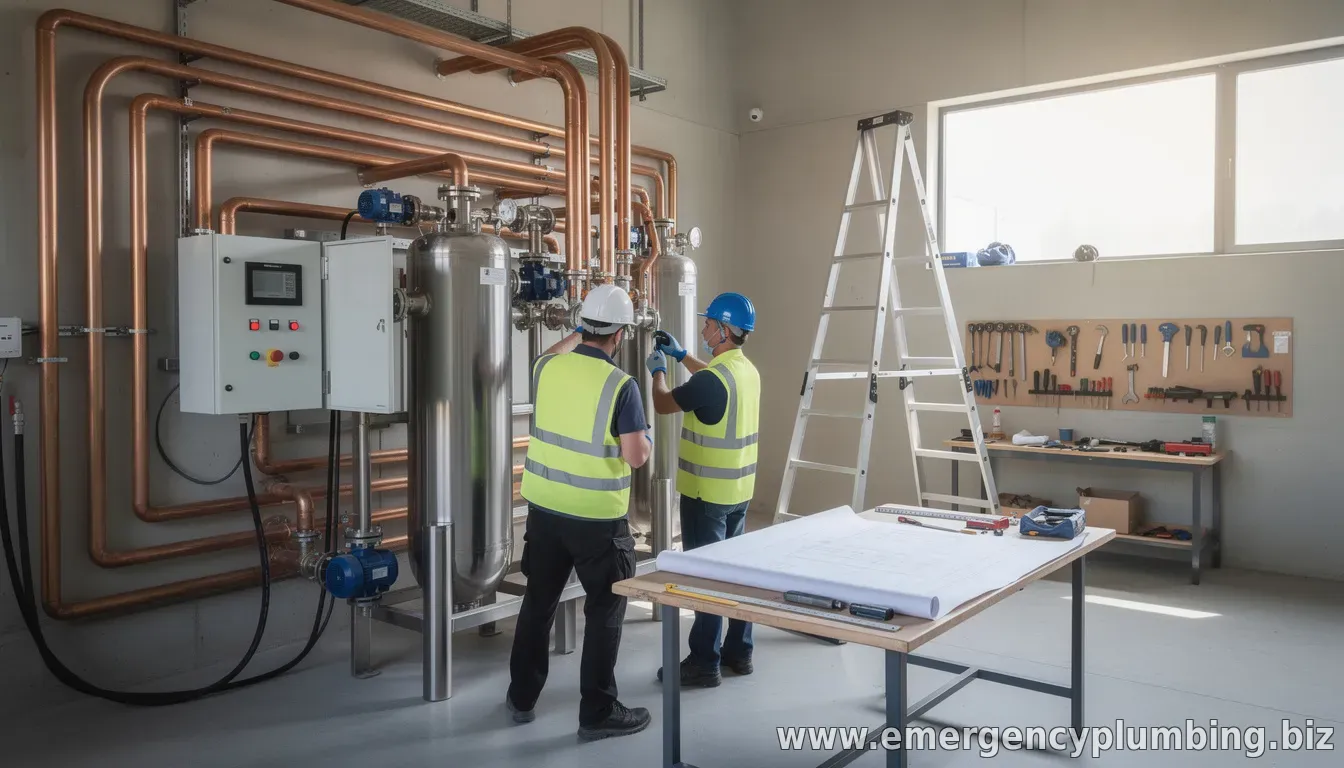
Installation typically involves connecting the unit to the main water line, ensuring proper pressure, and securely mounting any tanks, filters, or membranes. For whole-house systems, the installation location should be near the main shutoff valve with convenient access for filter changes. A licensed plumber or a certified technician can ensure code compliance and proper sealing to prevent leaks.
During installation, you may need to relocate or adjust valves, install bypass lines for service, and verify drainage for backwash or RO waste. It’s important to follow the manufacturer’s manual for each component, including pre-filter and post-filter changes, media replacements, and warranty requirements.
Post-install steps include flushing the system to remove manufacturing residues, testing water quality, and scheduling regular maintenance. Depending on the system, you’ll replace filters every 6–12 months, regenerate softeners as needed, and test for total dissolved solids (TDS) and pH periodically to maintain performance.
Costs vary by system type and home size, with DIY kits typically starting lower than professional setups. Expect initial investment for equipment, possible plumbing modifications, and annual maintenance. If you’re unsure about installation, consulting a licensed professional can save time and prevent leaks or suboptimal performance.
In the long run, a well-installed system can extend appliance life, reduce mineral buildup, and provide consistently high-quality water. Regular checkups, timely part replacements, and adherence to local safety codes will help ensure reliable operation for years to come. | |
⏰ Dispatcher support 24/7
📞 224-754-1984CALL ☎ Subscribe 👆 FORUM 🗣
North Shore, Northwest suburbs of Chicago, IL
Next & Previous posts
Related articles: