

1:28 AM How Often to Replace Water Filtration Cartridges | |
Water filtration cartridges don’t last forever. How often you replace them affects everything from water taste and flow rate to how well the system removes contaminants. While many products quote a timetable, your household’s actual water conditions can shorten—or sometimes extend—the recommended life.
As a baseline, many common whole-house, under-sink, and refrigerator-style cartridges are designed for replacement in roughly every 3–6 months. Some filters may be rated for longer intervals, while others—especially those meant to handle heavy sediment or difficult water—may need more frequent changes. Start with the manufacturer’s rating
The most reliable guidance comes from the cartridge label or manual. Look for a specification such as months or liters/gallons before the filter media is considered spent. If your system provides a capacity figure, that’s often more meaningful than “time alone,” because it accounts for usage.
For example, a cartridge rated for 300 gallons may not reach its expected lifespan if you have high daily consumption, frequent laundry with filtered water, or a larger household. Use water use as the deciding factor
Cartridge replacement schedules typically depend on how much water passes through the filter. Higher usage generally means the cartridge accumulates contaminants faster and may clog sooner, even if months haven’t passed. Lower usage can stretch the life of the cartridge, though it still won’t protect you indefinitely.
Pay particular attention if your filter also serves multiple outlets (e.g., drinking tap plus ice maker) or if you run filtered water frequently for cooking and drinking. Know your water quality and filter role
Water conditions vary widely. If your water has more sediment, higher chlorine, or other treatment needs, the cartridge can saturate or clog earlier. In areas with seasonal changes—like summer drought periods or heavy storm runoff—water composition can shift, changing how fast a filter performs.
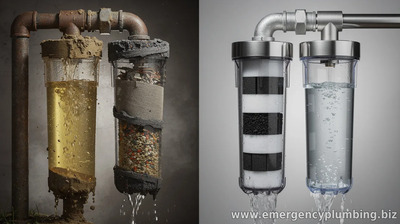
Different cartridge types also behave differently. Sediment pre-filters often need more frequent replacement than carbon-based taste/odor filters, while systems designed for specific contaminants can have shorter or highly specific performance windows. Watch for warning signs
You don’t have to rely only on the calendar. Many filtration systems show practical indicators that a cartridge is approaching end-of-life:
If you notice these signs before the planned interval, replace the cartridge sooner rather than waiting. How to set a practical replacement schedule
A common approach is to pick a timeframe (often 3–6 months) and then adjust based on usage and performance. If your system tracks usage or has an estimated gallon rating, calculate your household’s average daily filtered volume and compare it to the cartridge’s capacity.
Even if the cartridge seems to be working, avoid letting it go past its rated lifespan. Filtration media can become ineffective as it saturates, meaning your water may no longer receive the level of protection the filter is designed to provide.
When in doubt, check the manufacturer’s guidance and replace accordingly, especially for systems used for drinking and cooking. If you want a more tailored interval, consider having your water tested—then choose filters rated for your specific contaminants.
| |
⏰ Dispatcher support 24/7
📞 224-754-1984CALL ☎ Subscribe 👆 FORUM 🗣
North Shore, Northwest suburbs of Chicago, IL
Next & Previous posts
Related articles:
![]()