1:42 AM Why Is My Water Bill So High? 7 Hidden Leaks to Check | |
If your water bill has jumped without a clear change in habits, the most common culprit is water leaking somewhere in your home or property. The good news: you can often narrow down the problem quickly with a few checks that don’t require special tools. Start with the “leak test”
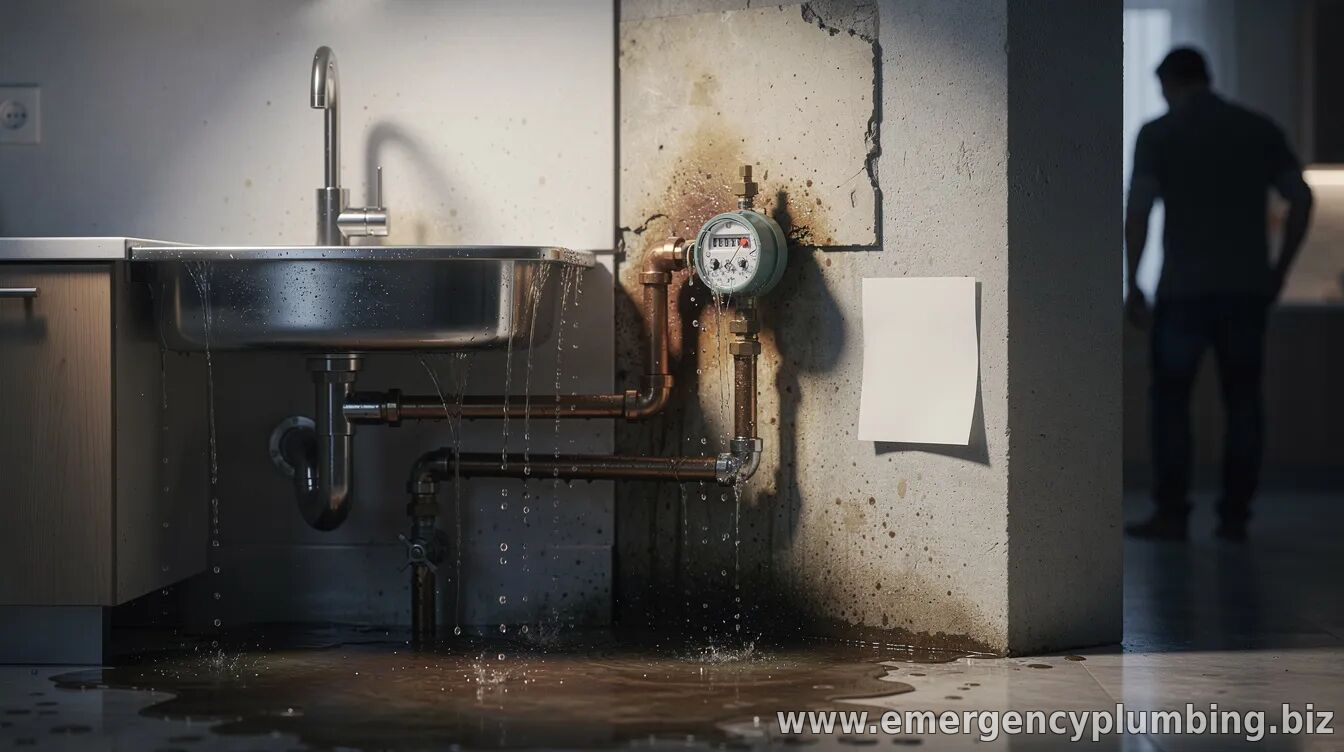
Before you inspect fixtures, confirm whether water is running when it shouldn’t. Turn off all faucets, stop using laundry/dishwashers, and make sure sprinklers are off. Then check your water meter—if it continues to move, you likely have a leak somewhere on your side of the meter. 7 hidden leaks to check
Once you’ve confirmed ongoing flow, inspect the likely areas below. Even small leaks can add up over days and show up as a noticeably higher bill.
As you check each area, also watch for warning signs: damp drywall, soft flooring, musty smells, increased water pressure that fluctuates, or mineral deposits around joints—these clues often reveal where the leak is coming from.
If you have an automatic irrigation system, confirm your controller schedules and test zones. A single zone with a damaged pipe or stuck valve can drive the bill higher while you’re away or assuming the system is off.
For toilets, the most expensive “invisible” problem is usually the flapper or fill valve. Even when a toilet isn’t audibly running, a partially leaking mechanism can add up quickly across billing cycles.
When you can’t find the source, consider the meter again: note the meter reading, wait 30–60 minutes with everything off, and recheck. If it changes, the leak is almost certainly active somewhere—at that point, it may be worth asking your water utility about a leak-detection program or contacting a licensed plumber.
Finally, review your bill for timing. If the increase lines up with a new season, appliance use, or irrigation changes, that timing can point directly to the system causing the extra water consumption.
| |
⏰ Dispatcher support 24/7
📞 224-754-1984CALL ☎ Subscribe 👆 FORUM 🗣
North Shore, Northwest suburbs of Chicago, IL
Next & Previous posts