

0:23 AM How to Unclog a Drain Without Chemicals: Safe Steps | |
A clogged drain is one of the most common household problems, but chemical cleaners are not always the best first move. They can damage pipes, worsen certain clogs, and pose risks to people and pets.
Before you start, confirm what you’re dealing with. If the sink or tub backs up, smells foul, or drains slowly, the blockage is likely physical. If there’s standing water and repeated clogging, a deeper obstruction may be present.
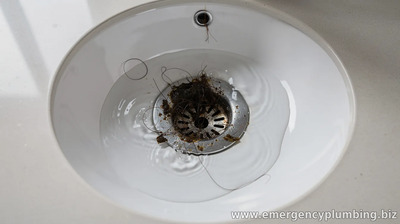
Step 1: Remove what you can safely. If the clog is near the surface, take out the stopper/strainer and remove visible hair, food, or debris by hand. Use gloves and a flashlight to check around the drain opening, then rinse with hot water once you’ve cleared loose material.
Step 2: Use hot water the safe way. For many minor clogs, running the tap with the hottest safe water can help dissolve grease. Start with a short flush, wait a few minutes, and repeat. If you notice no improvement and the water level stays high, move to mechanical methods.
Step 3: Plunge correctly. A plunger often works when the clog is in the trap or nearby. Seal the overflow opening (if your sink has one), add enough water to cover the plunger’s rubber cup, and plunge with firm, steady pressure. After 15–20 plunges, test the drain.
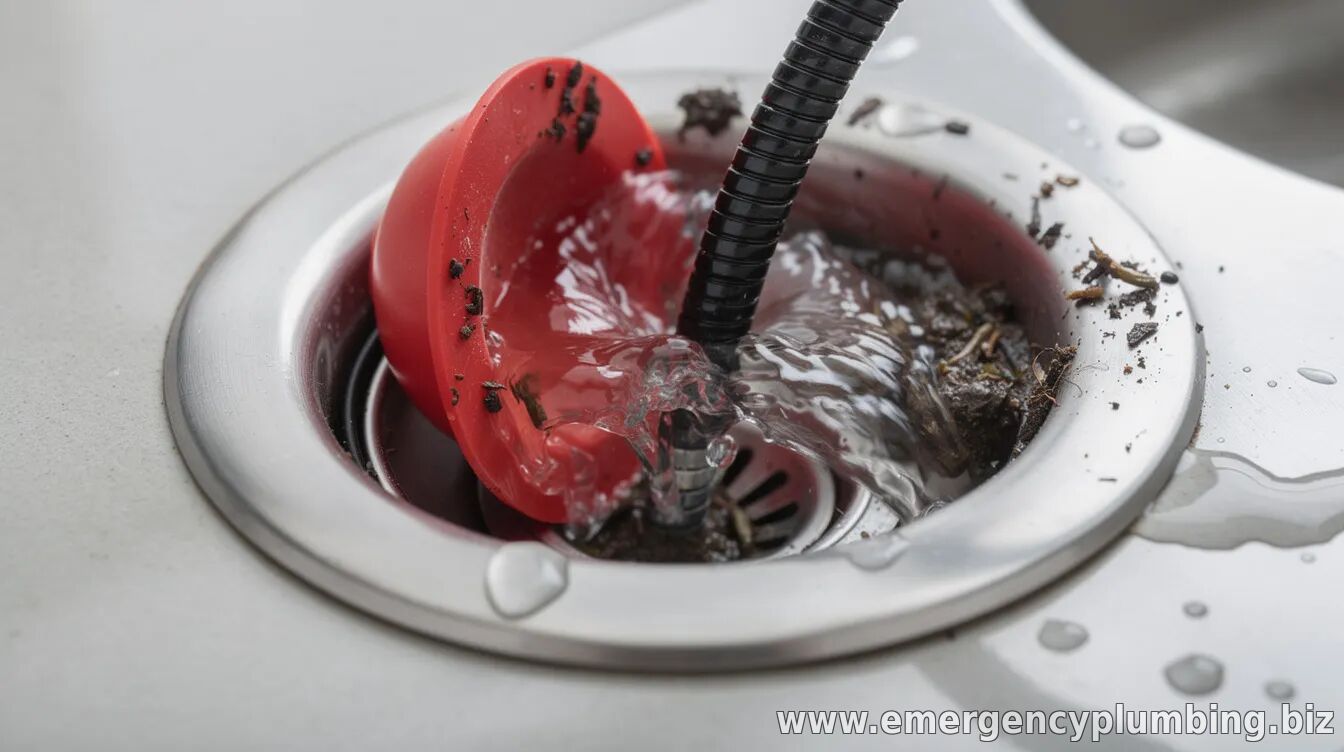
Step 4: Try a drain snake (or auger). If plunging doesn’t work, a flexible drain snake can reach and break up obstructions further down. Feed the tool slowly, rotate as you advance, and stop if you feel resistant beyond normal snaking. Once you regain movement, pull back, remove debris, and flush with hot water.
Step 5: For tough, kitchen grease-related clogs, focus on mechanical removal plus gradual flushing. Grease can solidify inside pipes; while chemicals may not be effective, repeated hot-water flushes after clearing the blockage can help. Avoid pouring boiling water directly into fixtures that aren’t rated for it.
What to avoid: Never mix different chemical products, and don’t pour chemicals while you’re still working with plungers or snakes—backflow and fumes are risks. If you suspect a clog is caused by tree roots (commonly with outdoor lines) or repeated backups across multiple fixtures, it’s safer to contact a licensed plumber.
Prevention that reduces future clogs is usually the best payoff. Use strainers to catch hair and food, run hot water after grease-heavy cooking, and do periodic maintenance flushes with simple water and mechanical cleaning (not harsh chemicals).
| |
⏰ Dispatcher support 24/7
📞 224-754-1984CALL ☎ Subscribe 👆 FORUM 🗣
North Shore, Northwest suburbs of Chicago, IL
Next & Previous posts
Related articles: