
0:29 AM 10 Simple Habits to Extend the Life of Your Plumbing | |
Plumbing failures rarely begin as catastrophic events. More often, they develop slowly from worn parts, mineral buildup, and small leaks that go unnoticed. The good news: many longevity problems can be reduced with straightforward habits that cost little time or money. 1) Fix small leaks immediately
A dripping faucet or a slowly running toilet can waste large amounts of water and quietly damage fixtures and surrounding materials. Addressing leaks early helps prevent corrosion, water damage, and higher utility bills. 2) Don’t flush “non-flushable” items
Even products labeled as safe can contribute to clogs. Avoid flushing wipes, dental floss, grease, cotton swabs, and feminine hygiene products. For toilet-safe paper, use only what is designed to break down quickly. 3) Use drain strainers
Hair, soap residue, and small food particles are common causes of slow drains. A simple strainer in sinks and showers can capture debris before it accumulates and forces costly repairs. 4) Be careful with what goes down the garbage disposal
For disposals, skip fibrous foods (like celery or corn husks), grease-heavy scraps, and starchy waste that can swell. Running cold water during and after use can help flush residue through the line. 5) Prevent grease buildup
Grease is one of the fastest ways to create blockages in kitchen drain lines. Instead of pouring oil directly into the sink, let it cool and dispose of it properly. Wiping pans before washing also reduces residue. 6) Maintain water pressure
Excessively high pressure can strain pipes, joints, and water heaters. If you notice banging pipes, leaks, or rapid wear on fixtures, consider checking your home’s pressure regulator and consulting a licensed plumber if adjustments are needed. 7) Protect pipes from freezing
Freezing expands water and can crack pipes—even after the thaw. Insulate exposed lines, keep garage/attic areas within safe temperature ranges, and know how to shut off water to affected sections if temperatures drop suddenly. 8) Flush water heaters carefully
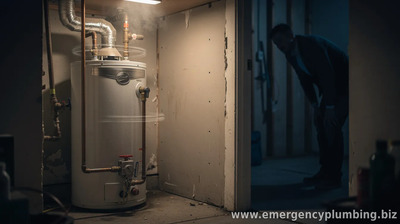
Sediment buildup reduces efficiency and can shorten the life of water heaters. Periodic flushing—based on the unit’s type and manufacturer guidance—can help maintain performance and reduce overheating risk. 9) Use the right cleaning products
Harsh drain chemicals can damage pipes and seals over time. For routine maintenance, consider safer approaches such as mechanical clearing (when appropriate) and enzyme-based cleaners designed for plumbing systems, while following label instructions closely. 10) Schedule periodic inspections
A yearly or semi-annual check can catch issues before they become emergencies. Inspect under sinks, around toilets, and at visible plumbing connections, and pay attention to water meter movement when no water is being used.
By combining these habits, homeowners can reduce the likelihood of clogs, leaks, corrosion, and premature component failure. While every household is different, consistent maintenance is one of the most reliable ways to extend plumbing lifespan—often with fewer disruptions and lower long-term costs.
| |
⏰ Dispatcher support 24/7
📞 224-754-1984CALL ☎ Subscribe 👆 FORUM 🗣
North Shore, Northwest suburbs of Chicago, IL
Next & Previous posts
Related articles: