


1:42 AM Why Pink “Slime” Appears in Showers and Toilets | |
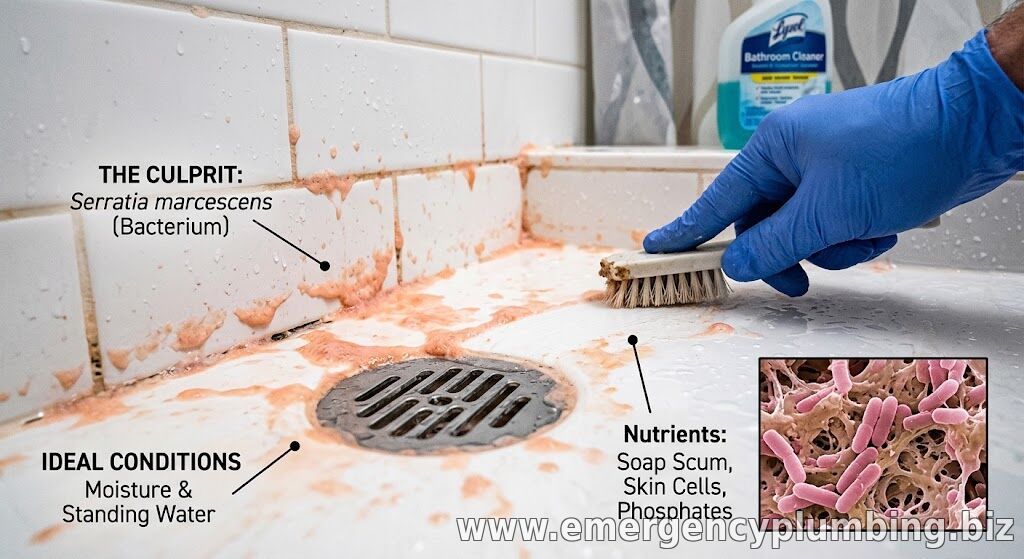
Seeing pink “slime” in a bathroom is common—and while it can look like mold, it’s usually not. The pink film on shower walls, grout, and toilet surfaces is typically linked to bacteria such as Serratia marcescens (and sometimes related organisms). These microbes can produce a pink to reddish pigment and form slimy biofilms, especially in persistently wet areas.
Why it happens Bathrooms provide ideal conditions: moisture, warmth, and organic residue from soap scum, skin cells, and minerals in hard water. If surfaces stay damp long enough, the bacteria can attach and multiply, creating a thin film that may smear when wiped.
The “slime” is often most noticeable where water sits or repeatedly splashes—around the shower drain, along tile seams, beneath toilet rims, and near caulk lines. Leaks, poor ventilation, and infrequent deep cleaning can all increase the chances that a biofilm forms and spreads. Is it dangerous?
For most healthy people, this kind of pink film is generally a low-risk nuisance rather than a serious health threat. However, people with weakened immune systems, young children, or those with respiratory conditions may be more cautious with any persistent bathroom microbial growth. If you have concerns, focus on thorough cleaning and reducing moisture. How to remove it
Effective removal usually requires a disinfecting cleaner and enough contact time. In many cases, products containing bleach (sodium hypochlorite) or hydrogen peroxide can help break down biofilms. For toilets, pay special attention to the bowl, especially under the rim and around the waterline. For showers, treat grout, caulk, and any areas where water pools.
What not to do Avoid mixing cleaning chemicals, especially bleach with acids (like toilet bowl cleaners) or with other products. Chemical combinations can release hazardous gases. Also, don’t rely on quick wipe-downs alone—biofilms can persist if surfaces are not fully cleaned and disinfected. How to prevent it from coming back
Prevention is mostly about drying and maintenance. Improve ventilation (run the fan during and after showers), fix leaks promptly, and wipe down surfaces after use if the area stays wet. Consider squeegeeing shower walls and keeping the bathroom at a lower humidity level.
If hard water is an issue, mineral deposits can provide a foothold for films. Regularly cleaning with products designed for soap scum and mineral buildup can reduce the nutrients microbes feed on. A consistent schedule—light weekly cleaning and a deeper disinfecting clean as needed—often keeps pink film from returning.
For persistent cases that won’t respond, check for hidden moisture sources such as under-sink leaks, damaged caulk, clogged drains that hold standing water, or recurring toilet leaks that keep the bowl damp. Addressing the underlying cause is usually what stops the “pink slime” cycle.
| |
⏰ Dispatcher support 24/7
📞 224-754-1984CALL ☎ Subscribe 👆 FORUM 🗣
North Shore, Northwest suburbs of Chicago, IL
Next & Previous posts