

1:00 AM Smart Water Shut-Off Valves: How Much Damage They Can Prevent | |
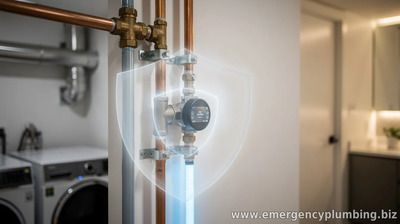
Smart water shut-off valves are designed to stop water damage in its earliest moments—before a slow drip becomes a flooded room. By pairing a valve that can remotely close the main line with leak sensors (and sometimes temperature or flow sensors), these systems aim to limit damage, protect property, and reduce cleanup costs.
However, “how much damage they prevent” isn’t a single number. The outcome depends on how quickly the system detects an issue, how much water remains in the pipes and fixtures, and whether the valve can close in time for the specific failure. What smart shut-off valves can do
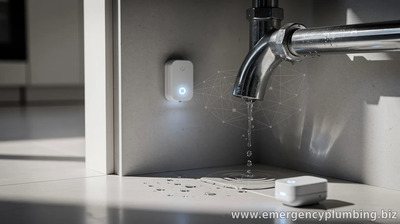
In many common scenarios—such as a sink supply line leak, a toilet running issue, or a slow drip under a cabinet—shut-off systems can prevent a large portion of water exposure by stopping flow early. If a sensor detects moisture (or detects abnormal flow) and the valve closes promptly, water that would have spread across floors, walls, and ceilings may be dramatically reduced.
For homeowners, the practical value is often less about stopping every drop and more about avoiding the “worst-case” window when water continues flowing unchecked for hours. The main limits: detection time and system coverage
The first constraint is detection and response time. If the leak begins in an area without sensors, or if the sensor is slow to trigger, water can escape before the valve activates. Similarly, some setups prioritize certain signals (like water presence) while others rely on flow patterns—each approach has strengths and blind spots.
A second constraint is coverage: many valves are installed at the home’s main water line, but detection must still happen at the right locations. For example, leaks behind walls or in hard-to-reach plumbing routes may go unnoticed until water appears on surfaces.
Finally, there’s the “residual water” problem. Even after shut-off, water already in the plumbing network and connected fixtures can continue to flow briefly due to pressure and distance—meaning immediate full prevention isn’t always realistic. How much damage might be prevented in real cases
While individual results vary widely, smart shut-off systems generally perform best against leaks that trigger early detection—such as obvious moisture events near installed sensors, or plumbing problems that create measurable abnormal flow. In those cases, damage can be limited to the immediate area where the sensor is placed, rather than scaling across multiple rooms.
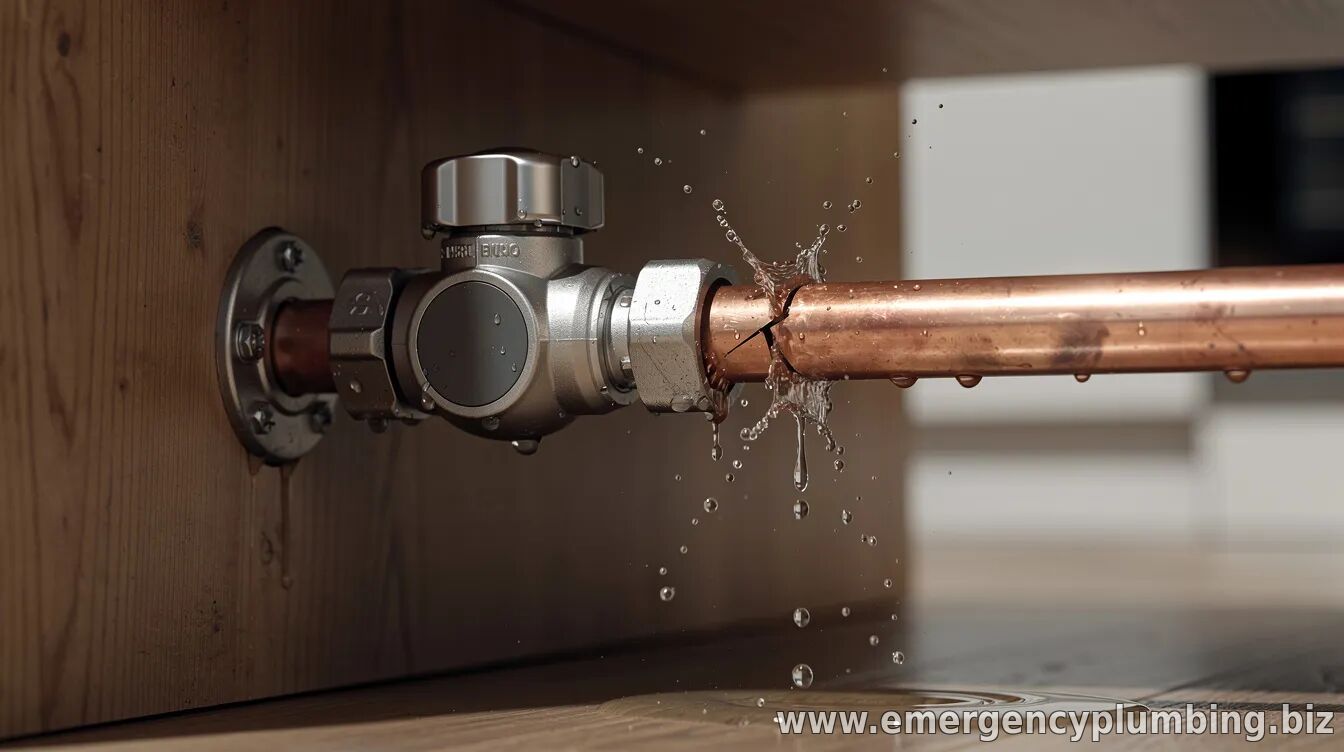
Situations that may reduce effectiveness include pipe ruptures with very high flow rates, leaks that start behind concealed surfaces without sensor coverage, and installation issues (such as valve placement, correct wiring, or connectivity problems). In these scenarios, the system may still help—by cutting off supply once it detects the event—but it may not prevent extensive damage that accumulates extremely fast. What to look for when choosing a system
To maximize protection, buyers should focus on practical features rather than marketing claims:
Correct installation matters. A well-chosen valve connected to the wrong location—or sensors placed without considering typical leak points—can substantially reduce the system’s ability to limit losses. Insurance and expectations
Some insurers encourage or recognize smart water protection devices, but requirements vary. Homeowners should check their policy terms to understand whether installation documentation, monitoring services, or sensor placement affects eligibility for discounts or claims handling.
Most importantly, smart shut-off valves should be viewed as a risk-reduction tool, not a guarantee. They can materially reduce damage—especially from slow or detectable leaks—but they cannot eliminate every possibility, particularly those involving rapid, concealed failures.
For many households, the best approach is combining an automated shut-off system with thoughtful placement of sensors and regular checks. That combination is what turns “smart” into measurable prevention.
| |
⏰ Dispatcher support 24/7
📞 224-754-1984CALL ☎ Subscribe 👆 FORUM 🗣
North Shore, Northwest suburbs of Chicago, IL
Next & Previous posts
Related articles: