
8:48 AM Overhead Sewer Conversion: Why Illinois Basements Need It | |
Basements in Illinois are often the lowest point in a home’s plumbing system—meaning that when sewer lines fail, backups can quickly become a costly disaster. With many houses built decades ago, aging sewer infrastructure and changing neighborhood plumbing conditions have renewed attention on overhead sewer conversion as a practical way to strengthen resilience and reduce disruption.
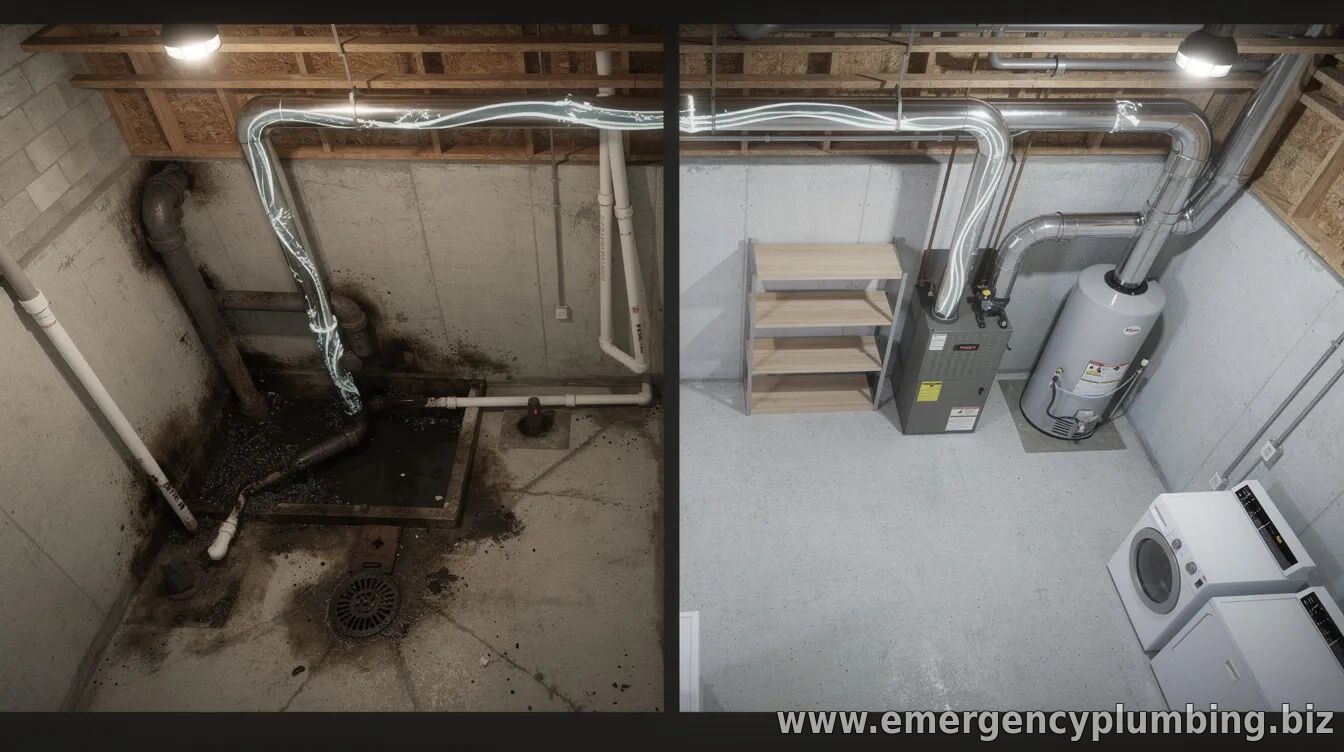
An overhead sewer conversion refers to rerouting a home’s sewer line so the plumbing travels through a higher path (often closer to the building structure) rather than relying on the lowest, most failure-prone route beneath the basement floor. Why backups happen in Illinois basements
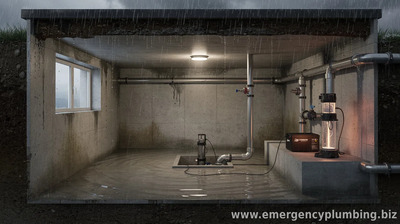
Backups typically occur when wastewater cannot drain properly—whether due to blockages, settling, line damage, or restrictions that build up over time. In cold-weather states like Illinois, freezes and seasonal pressure shifts can also contribute to plumbing stress. When a sewer line is forced to run low and becomes compromised, the consequences are magnified because basements are where water seeks the fastest route.
For many homeowners, the risk isn’t just theoretical. Older drain configurations can be difficult to inspect and service, and issues may develop in ways that are hard to detect until water appears. Overhead routing can change that dynamic by improving how the plumbing is positioned and accessed for troubleshooting. What overhead sewer conversion can improve
While every home is different, overhead sewer conversion projects often aim to address several common pain points:
Who should consider it
Homeowners in Illinois may want to discuss overhead sewer conversion if they live with recurring drainage concerns, notice slow drains, have a history of backups, or are planning major basement renovations. It can also be relevant during broader plumbing upgrades, especially in older homes where existing sewer layouts may no longer be ideal.
In practice, the right recommendation depends on the condition of the existing line, the layout of the home, and how local connections tie into the municipal system. A qualified plumbing contractor or sewer assessment specialist typically evaluates venting, pipe slopes, and existing routes before suggesting any conversion. What to expect during a conversion
A successful overhead sewer conversion is usually more than “moving pipes.” Teams often plan the reroute to maintain proper function across the entire drainage path, including venting requirements, cleanout placement, and how the system interfaces with existing plumbing. Materials and installation methods also matter, particularly in basements where moisture control and structural constraints can influence long-term performance.
Many projects are coordinated with other basement improvements, which can help reduce disruption. For homeowners, it’s important to ask about the scope of work, timeline, how access will be managed during installation, and what documentation will be provided after completion. The bottom line for Illinois basements
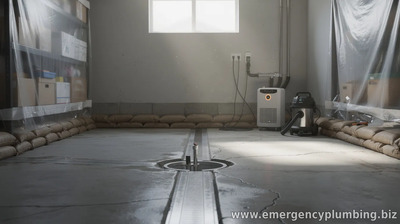
Illinois homeowners often invest in sump pumps and water management systems because basement protection is not optional—especially when plumbing issues can escalate overnight. Overhead sewer conversion offers an additional layer of risk reduction by adjusting how sewer flow is routed and improving serviceability, which can help limit the likelihood and impact of backups.
If your home has older sewer routing, recurring drainage issues, or you’re planning renovations, an evaluation can help determine whether overhead conversion is the right fit for your basement and long-term maintenance strategy.
| |
⏰ Dispatcher support 24/7
📞 224-754-1984CALL ☎ Subscribe 👆 FORUM 🗣
North Shore, Northwest suburbs of Chicago, IL
Next & Previous posts
Related articles: