


0:42 AM HVAC Zoning Systems: When Zone Control Makes Sense | |
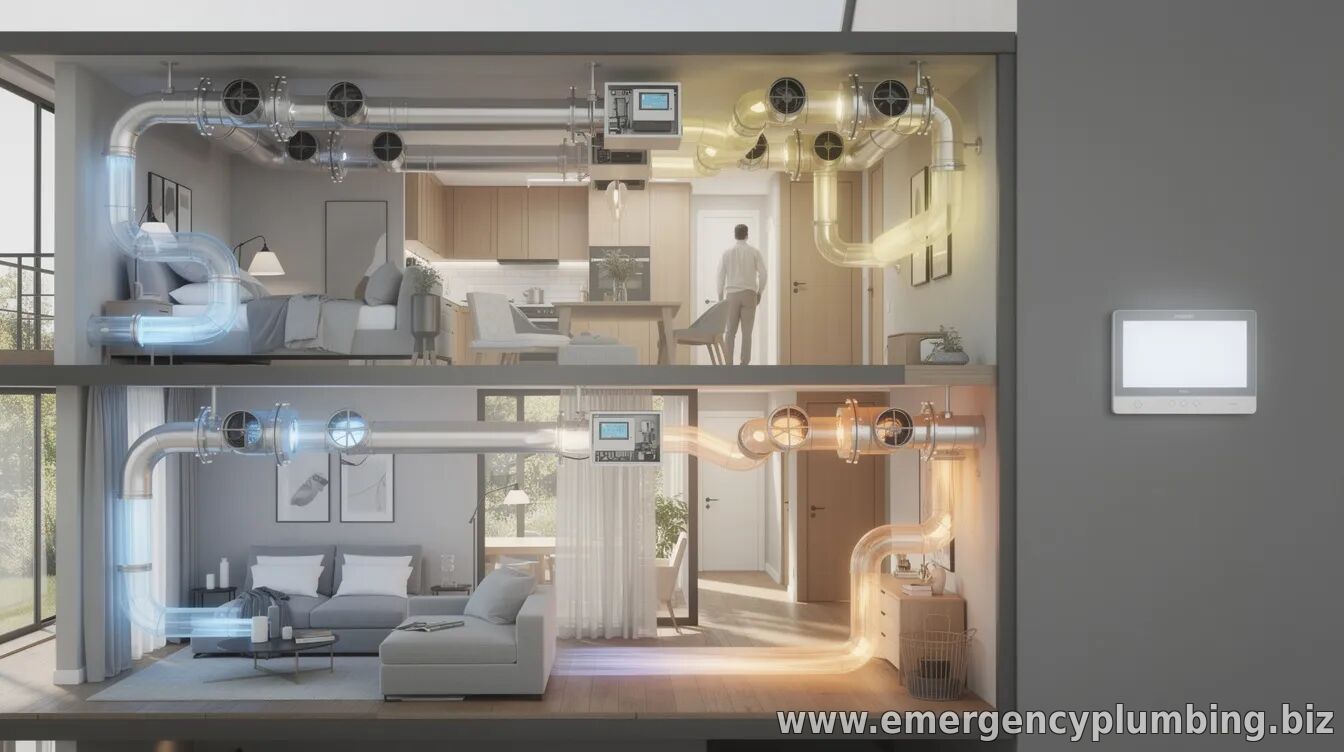
HVAC zoning systems divide a home (or building) into separate areas, or “zones,” each controlled by its own thermostat. Instead of conditioning every room the same way at the same time, zoning directs heated or cooled air where it’s needed—potentially improving comfort, reducing wasted runtime, and smoothing out stubborn hot and cold spots.
While zoning can be a strong upgrade, it isn’t automatically the best choice for every property. The key is whether your building’s heating and cooling demands are truly different across space, and whether that difference persists long enough to justify the added complexity. 1) When you have persistent hot and cold rooms
Zone control tends to make the most sense when comfort problems are consistent—not occasional. If certain rooms regularly run too hot or too cold due to sun exposure, ceiling height, floor-level differences, or insulation gaps, zoning allows you to correct the imbalance without overheating—or overcooling—the entire house.
Common examples include a sunny living room that gets too warm in the afternoon, a consistently chilly bedroom over a garage, or upper floors that stay hotter than lower levels during summer. 2) When occupancy varies by time and area
Zoning becomes more valuable when different parts of the home are used at different times. For instance, daytime hours may be concentrated on bedrooms or home offices, while other areas sit empty. With zone control, you can condition occupied zones and reduce conditioning in unoccupied spaces, potentially lowering energy use and improving perceived comfort.
This is especially relevant for households with work-from-home schedules, guest rooms used sporadically, or properties with distinct living patterns (such as separate suites or levels). 3) When your layout creates “separate worlds” for heating and cooling
Homes with clear physical separations often benefit from zoning. Large open-plan areas may behave similarly and may not need multiple zones, but multi-story homes, homes with long hallways that experience pressure and airflow differences, and properties with winged layouts can create uneven airflow and thermal loads.
If your HVAC system struggles to maintain stable temperatures across distant areas, zoning can help tailor airflow to the zones that need it most. 4) When you’re already dealing with uneven airflow or system cycling
Some homeowners seek zoning after noticing short cycling, temperature drift, or uneven airflow. In certain setups, zone dampers can coordinate airflow more precisely with indoor demand. However, it’s important to note that zoning is not a universal fix—system design, duct sizing, and equipment compatibility matter. A poorly matched zoning plan can increase issues like noise, pressure problems, or inefficiency.
That’s why a competent HVAC contractor should evaluate your ductwork, airflow targets, and equipment type before recommending zoning. What zoning can (and can’t) solve
Zoning is best at managing comfort differences and occupancy-based demand. It’s not a substitute for fundamental upgrades when the real issue is inadequate insulation, air leakage, oversized or undersized equipment, or duct losses. If your system is already deeply mismatched to the building’s load, zone control may offer only limited improvement.
On the other hand, when the building is generally well-conditioned but the distribution is uneven—due to solar gains, airflow constraints, or usage patterns—zone control can be a practical, targeted solution.
Zone control can be implemented with thermostats for each zone and dampers (or other control methods) to direct conditioned air. In many cases, the “right” number of zones is less important than whether each zone represents a meaningful difference in thermal load and comfort needs. How to decide if zoning is worth it
Consider starting with measurable symptoms: recurring temperature complaints, time-of-day or seasonal imbalances, and consistent differences between floors or wings. Then compare that to the likely cost and complexity of installation. If multiple rooms behave differently for long stretches—especially when those rooms are also used differently—the case for zoning strengthens.
Ask your HVAC professional to explain the design approach, including how zones will be balanced, how dampers and airflow will be controlled, and how comfort targets will be maintained. A quality plan will account for airflow rates, static pressure, and the way your specific furnace/air handler and duct system interact with zoning.
In short, HVAC zoning tends to make sense when your home has real, persistent differences in temperature demand across space or time. When those differences are clear and consistent, zone control can deliver more consistent comfort and smarter conditioning than a one-size-fits-all approach.
| |
⏰ Dispatcher support 24/7
📞 224-754-1984CALL ☎ Subscribe 👆 FORUM 🗣
North Shore, Northwest suburbs of Chicago, IL
Next & Previous posts
Related articles:

![]()