
1:17 AM Condensing vs Standard Boilers: Illinois Savings Guide | |
For homeowners in Illinois weighing a boiler replacement, the choice often comes down to one question: will a condensing boiler save enough to justify the higher upfront cost? In many cases, the answer is yes—especially when replacing an older, less efficient “standard” (non-condensing) unit.
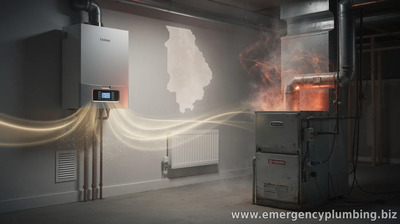
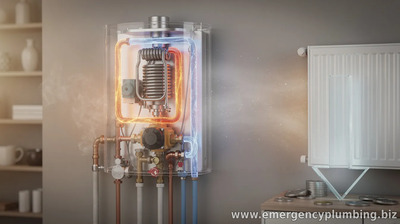
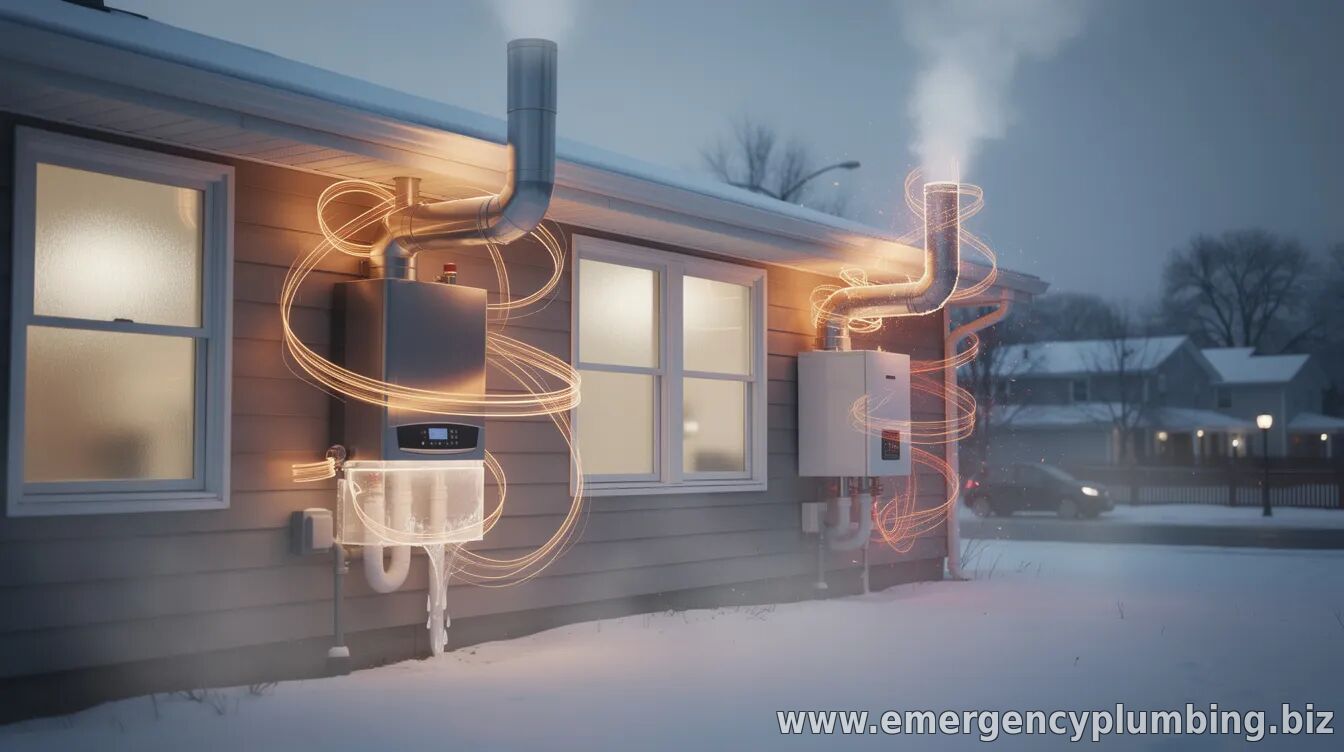
Both systems can heat your home, but they do it differently. A standard boiler primarily delivers heat that’s generated during fuel combustion, then vents the remaining heat up the chimney. A condensing boiler is designed to capture additional heat by condensing water vapor in the exhaust, improving overall efficiency. Why condensing boilers usually win on operating costs
The key driver is efficiency. Condensing boilers can achieve significantly higher annual efficiency ratings than standard boilers by squeezing more usable heat out of the same amount of fuel. In Illinois’s cold winters, that means more of your heating demand is met with less natural gas (or other fuel) burned.
Another practical advantage is that condensing performance tends to improve when return water temperatures are lower—conditions commonly found in modern heating setups. Many homeowners pairing condensing boilers with properly set up baseboard/low-temperature radiator systems, radiant floors, or reset controls see the most consistent savings. What matters most for your specific Illinois savings
Even though condensing boilers often outperform standard models, the savings you’ll actually see depend on several variables:
Typical payback pattern for Illinois homeowners
While exact numbers require your utility bills and equipment specs, a common pattern is that condensing boilers reduce annual fuel use enough to offset the additional purchase and install cost over time. Payback is usually faster when:
Conversely, savings may be more modest if your system design forces high water temperatures continuously (for example, some older radiator setups or poorly matched controls). In those cases, the boiler may condense less frequently, narrowing the advantage over a standard model. How to estimate your likely savings before you buy
If you want to predict which option saves more in your Illinois home, start with your heating history and the equipment details you’re considering. A practical approach is to compare estimated annual energy consumption under the boiler’s rated efficiency (and your system’s expected operating conditions), then translate that into expected fuel-cost differences using your local gas/electric rates.
You can also ask your installer for a load calculation (often based on Manual J sizing) and a plan for controls that support condensing—such as proper reset strategy—so you’re not just buying a “condensing boiler,” but operating it in its most efficient range.
Bottom line: In Illinois, condensing boilers often save more over the life of the unit because they convert more fuel energy into heat delivered to your home. The best results come when the boiler is sized correctly, installed properly, and controlled to maintain the lower temperatures that enable frequent condensing.
| |
⏰ Dispatcher support 24/7
📞 224-754-1984CALL ☎ Subscribe 👆 FORUM 🗣
North Shore, Northwest suburbs of Chicago, IL
Next & Previous posts
Related articles: