

1:09 AM Do You Need a Battery Backup for Your Sump Pump? | |
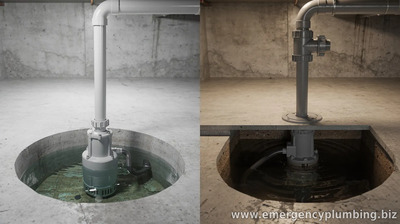
If you have a sump pump, you already know its job is urgent: keeping groundwater from pooling in your basement. But when the electricity goes out, even a well-installed pump can stop working—turning a temporary outage into a costly flood.
That’s why many homeowners ask whether they truly need battery backup for their sump pump. The answer is usually “yes” if outage risk would put your property—or your peace of mind—at stake. If outages are rare and your basement is dry, you may be able to manage with strong primary protection and monitoring. Either way, making an informed decision is worth it. When a battery backup matters most
A battery backup is most valuable in situations where sump pump failure during a blackout could quickly lead to water damage. Consider it especially if you’ve experienced outages before, live in an area with frequent storms, or rely on your sump pump in a below-ground living space.
It can also be a high-priority upgrade if you have a finished basement, stored valuables, a furnace or water heater in the same area, or if you can’t count on immediate response from a neighbor or contractor. What battery backup does (and doesn’t)
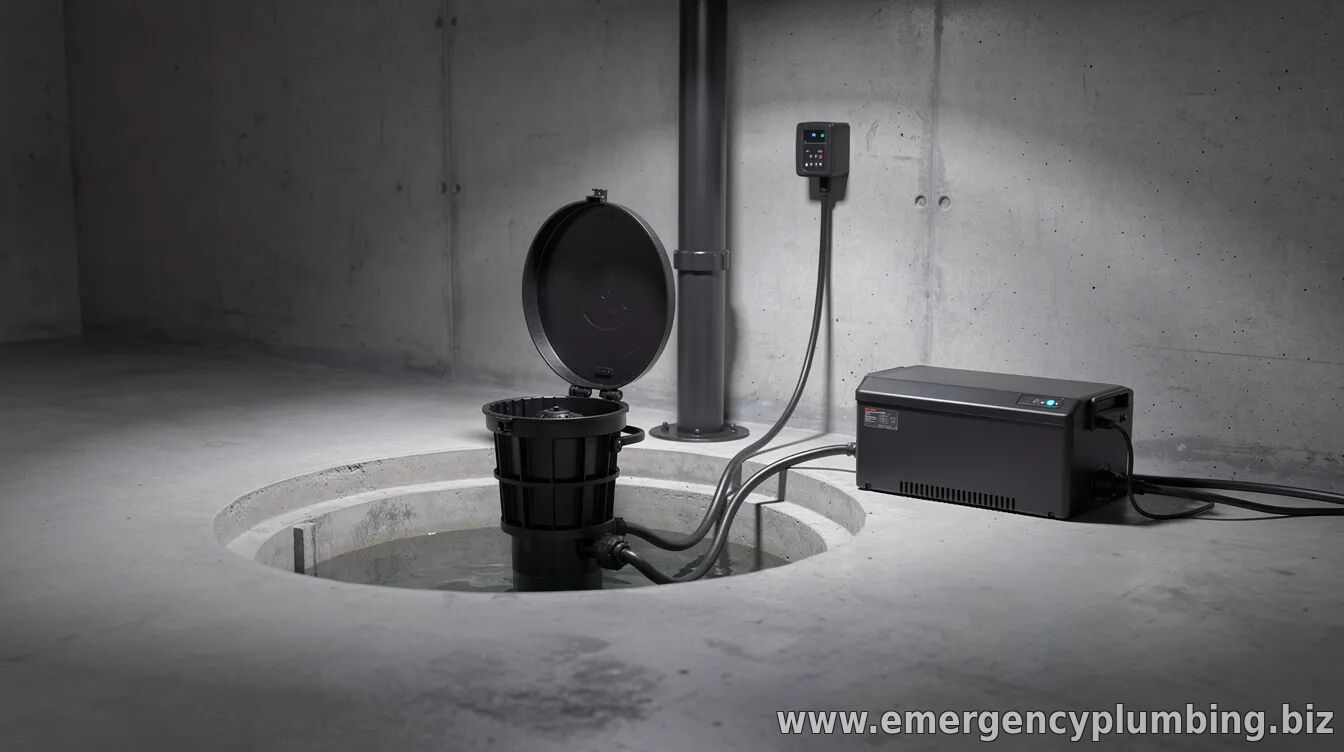
A battery backup’s purpose is not to replace long-term power—you’re buying time so the pump can keep running until electricity returns. Depending on the battery capacity and pump requirements, many systems are designed to cover typical outage lengths, but runtime can vary.
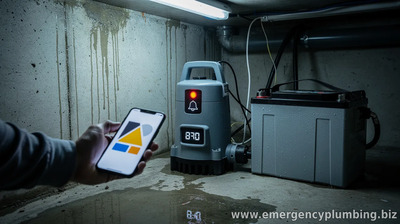
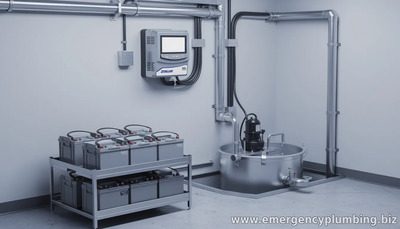
Most setups provide a direct benefit during outages by powering the sump pump from one or more batteries. Some also include alarms or monitoring so you’re alerted if water levels rise or the backup system needs attention. Key factors to weigh before buying
To decide, evaluate your specific risk and requirements:
These considerations often matter as much as the headline “backup” feature. Alternative protections if you skip battery backup
If you decide not to use a battery system, you’ll want other layers to reduce the chance of basement flooding. For many homes, that starts with a sump pump that’s correctly sized, a functioning check valve, and attention to installation details that prevent backflow.
You may also consider a secondary pump (when appropriate), improving drainage around the foundation, and verifying that your sump pit, discharge line, and intake screen remain clear. Even with strong primary protections, outages can still happen—so having a contingency plan is important. The practical bottom line
For most homeowners who want to reduce flood risk, a battery backup is a practical, relatively straightforward way to address the biggest vulnerability of sump pumps: loss of power. If outages are likely or the consequences of failure would be significant, backup coverage is often worth the investment.
If you’re unsure, check your pump model and power requirements, review typical outage patterns in your area, and look for a backup system that includes reliable alarm features and a realistic runtime estimate. The goal isn’t to predict every blackout—it’s to ensure your sump pump can keep working when you can’t.
| |
⏰ Dispatcher support 24/7
📞 224-754-1984CALL ☎ Subscribe 👆 FORUM 🗣
North Shore, Northwest suburbs of Chicago, IL
Next & Previous posts
Related articles: