

1:00 AM Boiler vs. Furnace: Key Differences for Home Heating | |
When homeowners compare heating systems, the “boiler vs. furnace” question comes up quickly. Both can deliver reliable warmth, but they differ in how they generate heat, how it’s distributed through your home, and what operating costs and upkeep typically look like. How boilers heat your home
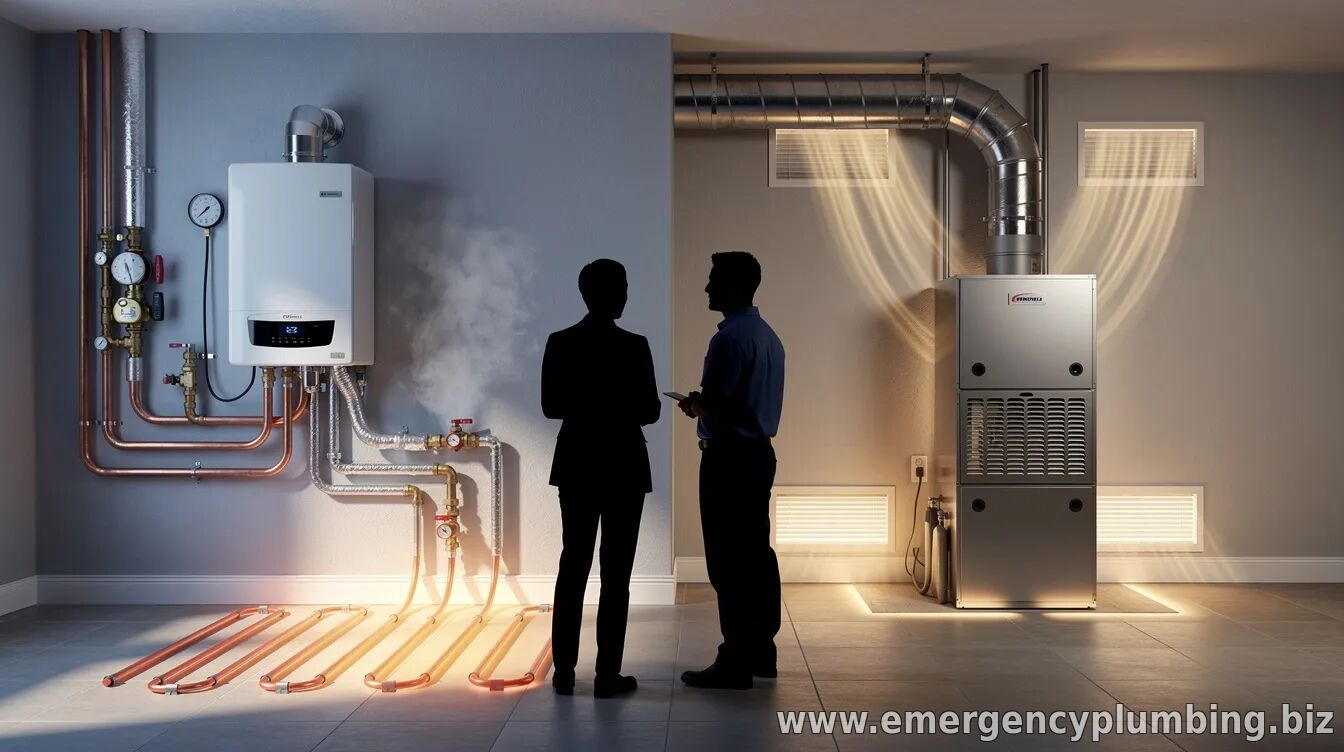
A boiler heats water (or creates steam) in a sealed tank, then sends that heat through pipes to radiators, baseboard convectors, or radiant-floor systems. In many setups, hot water circulates continuously or on demand, and rooms warm as the heated surfaces transfer heat to the air. How furnaces heat your home
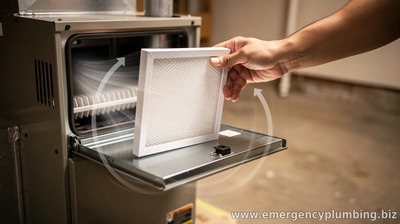
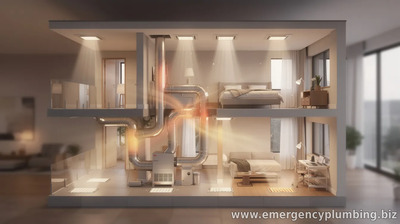
A furnace warms air using a burner and then pushes that air through ductwork via a blower. Some systems include additional components such as air filters, and many homes use forced-air distribution to deliver heat quickly from room to room through vents.
Because of these fundamental differences, comfort and timing can feel different. Boilers are often associated with more even heat at the radiator or baseboard level, while furnaces are known for faster temperature recovery—especially in homes with ducted distribution.
Efficiency and fuel costs depend heavily on the specific equipment and how your home is insulated and sealed. High-efficiency condensing boilers can capture additional heat from exhaust gases, while modern high-efficiency furnaces can be tuned for strong performance. The best choice typically comes down to the overall heating load and the local cost of your fuel (natural gas, propane, oil, or electricity).
Maintenance requirements also vary. Boiler systems generally require periodic checks of the pressure, controls, and the condition of radiators or piping. Furnaces commonly need regular filter changes and inspections of burners, ignition systems, and ductwork (including ensuring there are no leaks that waste heated air).
Installation practicality is often the deciding factor. If your home already has radiators, baseboards, or radiant-floor piping, converting to a boiler system may be more straightforward. If your home already has ducts and vents designed for forced-air heat, a furnace may be the more direct fit.
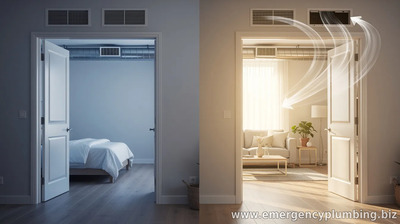
In many cases, homeowners also consider indoor air quality and humidity. Forced-air systems can introduce dust or allergens if ducts and filters aren’t maintained, while boilers may avoid duct-based airflow but still require attention to overall ventilation and comfort. Discussing your ventilation strategy alongside heating choice can help you avoid trading one comfort issue for another.
Ultimately, the “best” system is the one that matches your home’s infrastructure, climate needs, and efficiency targets. A qualified HVAC or hydronic technician can assess your existing setup, calculate your heating load, and recommend properly sized equipment—because correct sizing is critical for comfort, efficiency, and longevity.
| |
⏰ Dispatcher support 24/7
📞 224-754-1984CALL ☎ Subscribe 👆 FORUM 🗣
North Shore, Northwest suburbs of Chicago, IL
Next & Previous posts
Related articles: