

0:33 AM Why Sump Pump Pit Cleaning Is Often Overlooked | |
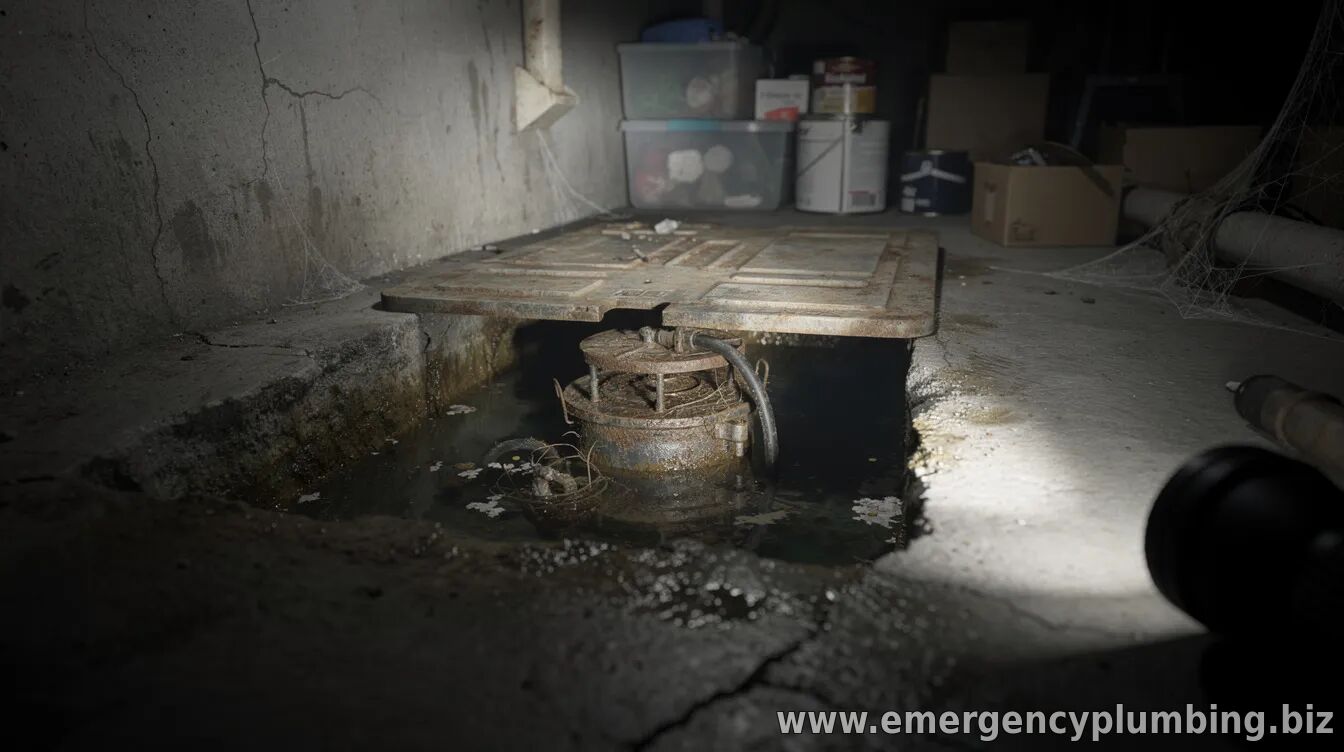
A sump pump system quietly protects a home from basement flooding, but the part that often gets neglected is the pit itself. Over time, sediment, debris, and organic buildup can accumulate at the bottom—reducing how effectively the pump can detect water and move it away.
Because the pump is usually out of sight, pit cleaning is easy to postpone. Yet the consequences of waiting can show up suddenly during heavy rain, when a clogged pump fails to keep up or cycles incorrectly. What happens when sump pits aren’t cleaned
In a properly functioning system, the pump draws in water as it rises. When the pit collects silt, grit, and sludge, several issues can follow: the pump may sit in debris instead of operating efficiently, the float or sensor may stick, and restricted intake areas can limit water flow.
Buildup can also trap organic material that contributes to unpleasant odors and encourages bacterial growth. Even if the pump still runs, performance can degrade gradually—making future flooding risk harder to anticipate. How often should you clean the pit?
There isn’t a one-size-fits-all schedule, but many homeowners benefit from inspecting the pit at least a few times per year, especially before storm seasons. If you notice heavy sediment, a strong smell, or visible debris, it’s a sign that cleaning should happen sooner rather than later.
After prolonged wet spells or if your area has frequent flooding events, a check can reveal whether the system is carrying in unusual amounts of solids—information that can guide maintenance frequency. Key steps for safer, more effective maintenance
Before attempting any work, consider safety and preparedness. Start by disconnecting power to the sump pump (or using the appropriate safety switch) to prevent accidental operation. Use appropriate tools to remove sludge and debris from the pit, and wipe down surfaces so the float/sensor can move freely.
Once cleaned, verify that the float mechanism (or electronic controls) operates without sticking. If your pit includes a check valve or intake screen, make sure those components are clear as well, since the pit and intake often work as one system.
Homeowners should also keep an eye on what’s entering the pit. If the surrounding drainage area is bringing excessive soil or organic material, addressing the source—such as improving grading, sealing cracks, or maintaining nearby drainage—can reduce future buildup. When to call a professional
If the pit contains significant sludge that’s difficult to remove, if you’re unsure how your pump is wired or controlled, or if the pump shows warning signs like repeated cycling or incomplete discharge, professional help may be the safest option. A technician can inspect the pump, verify check valve function, and recommend long-term fixes if there’s a recurring solids problem.
In many cases, a simple cleaning plus a system check can restore performance and prevent the “it worked last year” surprise during the next storm.
Bottom line: sump pump pit cleaning isn’t glamorous, but it’s foundational. Spending a little time on inspections and maintenance can help ensure the system runs efficiently, last longer, and protect your home when it matters most.
| |
⏰ Dispatcher support 24/7
📞 224-754-1984CALL ☎ Subscribe 👆 FORUM 🗣
North Shore, Northwest suburbs of Chicago, IL
Next & Previous posts
Related articles: