

0:36 AM How to Read Your Water Meter and Spot Hidden Leaks | |
Hidden water leaks can waste thousands of gallons over time, often without obvious signs. The fastest way to investigate is to read your water meter correctly and then run a short “no-use” test to see if water is still moving. Here’s a clear, step-by-step approach you can do at home. 1) Find and identify your water meter
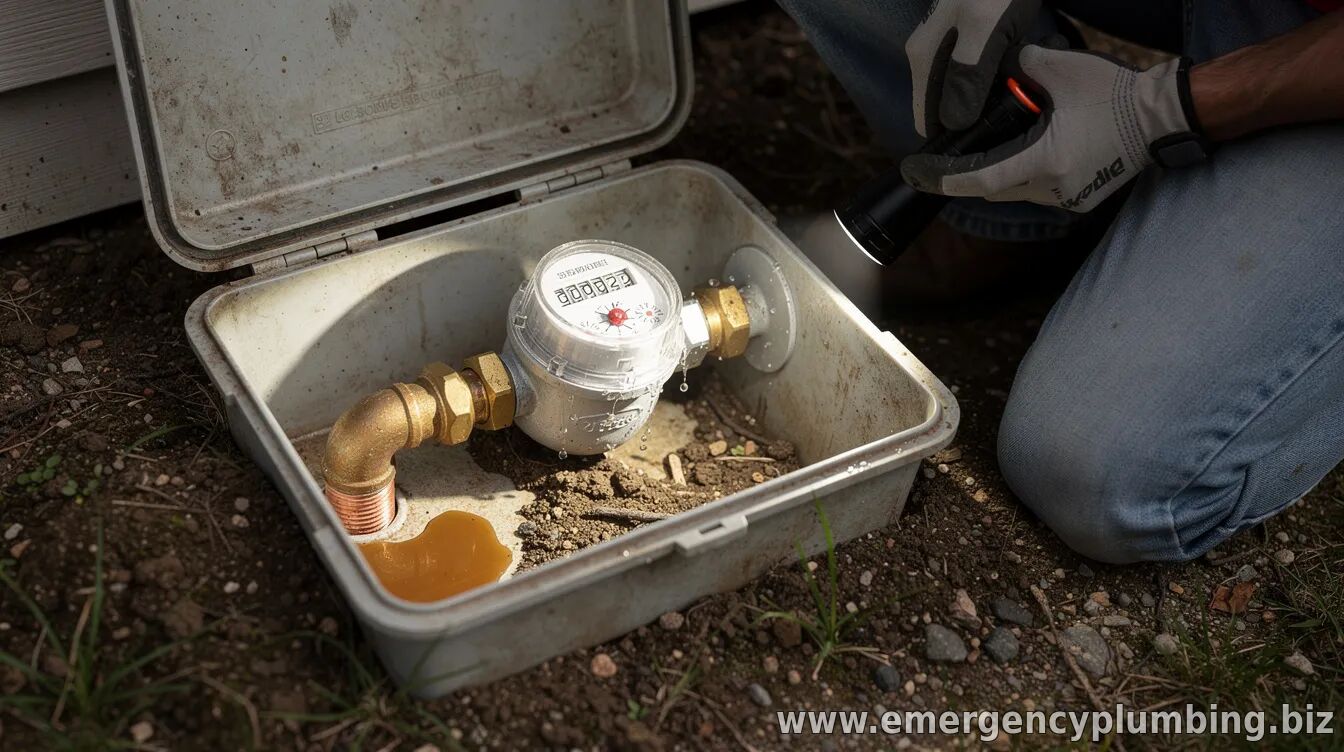
Most meters are located near the street or curb, sometimes behind a small access cover or in a landscaped box. Once you locate it, look for a clear label or markings that indicate how the readings are displayed. If your home has multiple meters (for example, separate meters for irrigation and indoor use), make sure you’re checking the right one. 2) Understand what you’re looking at: dials and digital displays
Water meters generally fall into two categories: digital and dial (analog). On a digital meter, the current usage is typically shown as a numeric display, sometimes with a smaller indicator for low-flow movement. On an analog meter, you’ll see one or more dials—often including one that registers “low flow” leaks.
Tip: The smallest dial or the one labeled for low usage is especially useful for spotting tiny leaks. If there’s a red or triangular indicator, it often helps identify gentle water movement. 3) Take a “before” reading
Before you test, choose a time when you can minimize water use for at least one to several hours—overnight is often ideal. Photograph the meter or write down the current reading exactly as shown. For digital meters, record the full number on the main display (including any digits that represent whole units, depending on your meter’s format). For dial meters, record the position of each dial (or the reading method recommended by the meter markings).
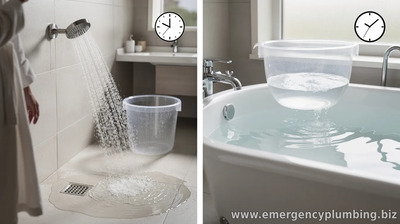
Next, make sure the home is truly at rest: avoid running faucets, sprinklers, dishwashers, washing machines, or showers. Also check that toilets aren’t silently refilling. 4) Run a no-use test and watch for movement
After the no-water-use period, check the meter again and compare it to your baseline.
If you have an analog meter, watch carefully for dial movement—even slight movement can indicate flow. For digital meters, look for any change in the main reading or any flow indicator that suggests water is passing through the meter.
To improve accuracy, repeat the test on another day or extend the monitoring window. Leaks can vary with temperature, pressure, and household routines, so multiple checks help confirm results. 5) Use quick household checks to narrow down the source
Once you know the meter indicates movement when you believe you’re not using water, the next step is narrowing down where the leak might be. Start with high-likelihood sources: toilets, faucets, and visible plumbing.
Common suspects include a toilet that continues to refill after flushing, a slow drip from a faucet, or a leaking shutoff valve. If you have an irrigation system, ensure sprinklers are fully off—many “hidden leaks” are actually irrigation-related issues.
For toilets, listen for running water and consider adding a short dye test to confirm whether water is quietly leaking from the tank into the bowl. 6) Know when to call a professional
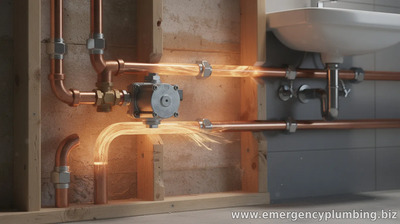
Meter readings can tell you whether water is moving, but not always where the leak is located. If you repeatedly see meter movement, can’t identify the source through basic checks, or suspect a problem inside walls or under floors, it’s time to contact a licensed plumber. A professional may use leak detection tools (such as acoustic equipment or pressure testing) to pinpoint the location faster and more reliably.
If your utility offers meter testing or leak assistance, that can also be worth exploring—especially if you observe unusual consumption that persists.
By taking a careful baseline reading and performing a no-use test, you can catch leaks early and reduce wasted water. Even a small ongoing change on the meter is often a strong clue that your home needs attention—before the damage or the bill gets worse.
| |
⏰ Dispatcher support 24/7
📞 224-754-1984CALL ☎ Subscribe 👆 FORUM 🗣
North Shore, Northwest suburbs of Chicago, IL
Next & Previous posts
Related articles: