

3:11 AM How Radon Mitigation Systems Work—and When You Need One | |
Radon is a naturally occurring radioactive gas that can seep into homes from the soil. Because it’s colorless and odorless, the only way to know if you’re exposed is to test your indoor air—then decide whether mitigation is warranted.
Many homeowners ask how radon mitigation systems work and what triggers the need for one. In most cases, mitigation focuses on preventing radon from entering living spaces and safely venting it outdoors. First: confirm the problem with radon testing
Before installing any system, you typically need radon measurements from a certified testing approach. Short-term tests can provide quick insight, but long-term measurements are often more reliable for assessing typical exposure levels. If results show elevated radon, you’ll generally be advised to consider mitigation.
National and regional guidance commonly uses action levels (often expressed in pCi/L) that indicate when mitigation should begin. Even when readings are near the threshold, homeowners may choose mitigation to reduce long-term risk. What a radon mitigation system actually does
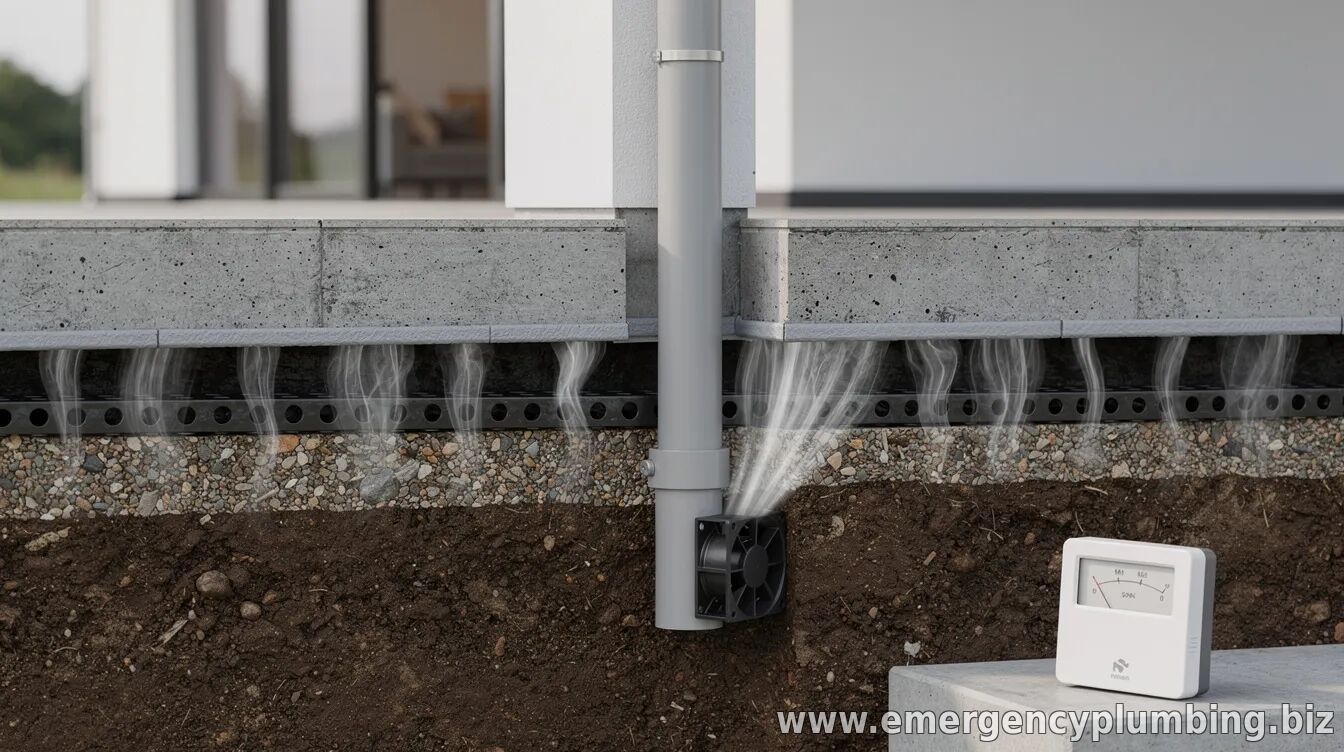
The most common solution is a “sub-slab” or “active” mitigation system. It works by drawing radon-laden soil gas from beneath a home’s foundation and venting it to the exterior through a dedicated pipe and fan.
In simple terms: the fan creates a pressure difference, so radon is pulled away from the interior and expelled outdoors—usually above the roof line to disperse it safely. The system is designed to prevent the vent path from leaking back into the living space. Key components you’ll see in most systems
Most radon mitigation setups include a few core elements: a suction pipe (often passing through the slab), a fan sized to move the required airflow, sealed joints and fittings to avoid leaks, and an exterior vent discharge point. In some homes, the system may also include adjustments to account for crawlspaces, sumps, or other foundation features.
Proper installation details matter as much as the concept. Sealing penetrations and selecting appropriate materials help ensure the fan draws from the intended gas pathway rather than pulling air from indoors. Passive vs. active systems: what’s the difference?
Some properties use passive radon approaches, which rely on natural pressure differences instead of a fan. While passive systems may reduce radon to some degree, they can be less consistent—especially when conditions don’t naturally move enough soil gas to keep indoor levels low.
Active systems typically offer more control because the fan can be tuned to achieve the target reduction. Many installers recommend active mitigation when testing indicates a strong need to reduce radon promptly. When you might need a radon mitigation system
You generally need mitigation if your testing shows radon levels above the recommended action level, particularly when results reflect typical indoor exposure. Mitigation is also commonly considered when elevated readings are found in the lowest living levels (such as basements or ground floors) where radon entry is most likely.
Other circumstances can increase the urgency: repeated high test results, a history of prior radon problems, or recent home changes that could affect soil gas entry (such as foundation repairs, ventilation modifications, or sealing that alters airflow pathways). What to expect after installation
After a system is installed, the goal isn’t just to “turn on a fan,” but to achieve measurable reductions in indoor radon. Homeowners typically perform follow-up testing to confirm performance, sometimes using initial post-install checks and later verification to ensure levels remain controlled.
In many cases, installers also provide guidance on system monitoring and maintenance. Fans have moving parts, so periodic checks may be recommended—especially to confirm airflow and that the exterior discharge remains unobstructed.
For homeowners, radon mitigation is less about a single quick fix and more about targeted engineering: measuring exposure, selecting an appropriate system type for the home’s foundation, installing with attention to sealing and routing, then verifying with follow-up testing.
| |
⏰ Dispatcher support 24/7
📞 224-754-1984CALL ☎ Subscribe 👆 FORUM 🗣
North Shore, Northwest suburbs of Chicago, IL
Next & Previous posts
Related articles: