

0:33 AM Outdoor Kitchen Gas Line Planning: Key Homeowner Steps | |
Outdoor kitchen upgrades are popular, but the gas line is often the most safety-critical part of the project. A properly planned system supports grills, burners, side cooktops, fire features, and heaters—while meeting building and fuel-safety requirements in your area.
Before work begins, confirm what type of fuel you’ll use. Many homes connect to natural gas through existing utility infrastructure, while others rely on propane (LP) stored in an on-site tank. The fuel type affects regulator sizing, pressure requirements, and how the line is routed. Start with appliance planning and total gas load
Gas line design is driven by the appliances you intend to install. Even if the grill is the main feature, additional loads from side burners, rotisserie kits, griddles, fryers, and outdoor-rated refrigerators or warming drawers can change the required pipe size and flow.
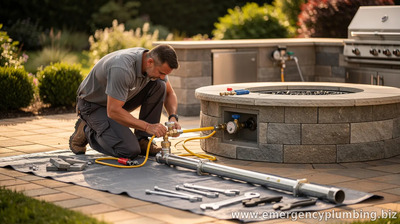
Work from the manufacturer specifications for each appliance’s input rating (often listed in BTU/hr). A licensed gas fitter or contractor will use those inputs, along with the total run length, number of fittings, and equivalent length considerations, to size the piping and regulators correctly. Plan the route with code-safe separation and protection
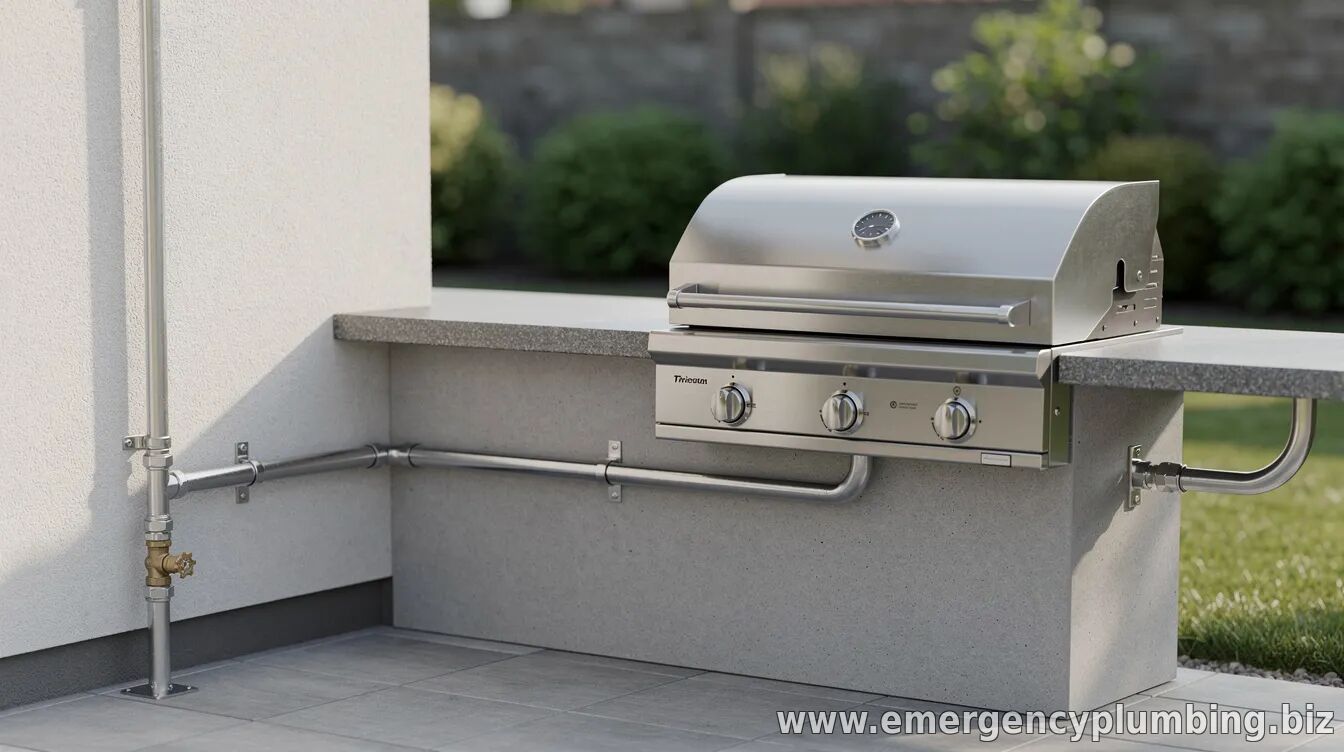
Where the line runs matters as much as how large it is. Outdoor gas piping must be protected from physical damage, typically using approved materials and methods for burial depth (where permitted), exterior exposure, and areas that could be impacted by landscaping equipment or foot traffic.
Local code may specify clearances from electrical components, ignition sources, windows or doors, and certain structural elements. It can also limit how and where piping can enter the home or other enclosures. Planning the route early helps prevent rerouting after countertops, patio finishes, and cabinetry are installed. Account for regulators, shutoffs, and pressure requirements
Regulators control gas pressure to match appliance requirements. In many outdoor setups, homeowners will need one or more regulation points depending on the system design—especially when using propane. Locations for regulators and shutoff valves are often regulated to ensure safe operation and serviceability.
Include an accessible shutoff valve so service and emergency shut-downs can be performed without dismantling the entire outdoor kitchen. Service access is also important for leak checks, filter or regulator servicing (if applicable), and seasonal maintenance. Use proper materials and fittings for the environment
Not every gas-line material and joint type is intended for outdoor, wet, temperature-varying conditions. Outdoor-rated piping and fittings must resist corrosion and maintain integrity through freeze-thaw cycles and exposure to sunlight and moisture.
Also consider expansion and movement. Outdoor kitchens are often built on patios or slabs where minor settling can occur. A safe design allows for appropriate connection methods and avoids stressing joints. Leak testing and inspections aren’t optional
Once installed, the system should be tested using approved procedures—commonly including pressure or leak tests in accordance with code and local permitting rules. Testing helps confirm the line is tight before appliances are connected and put into service.
In many jurisdictions, a permit and inspection are required. Even when permits aren’t strictly mandated, working with a licensed professional ensures the work aligns with safety standards and reduces risk to people and property.
Homeowners can support a smooth installation by gathering a complete list of planned appliances, confirming whether they’ll change later, and sharing layout details (grill location, cabinetry plan, and projected distances to the fuel source). Clear documentation helps contractors size the system accurately and avoid mismatches between the line and appliance requirements.
Finally, remember that “outdoor-rated” appliances and “outdoor-rated” gas systems are not the same thing. The appliances must be designed for exterior use, and the gas line must be installed to code-safe standards for the outdoor environment. With thoughtful planning and professional execution, your outdoor kitchen can be both functional and safe for years.
| |
⏰ Dispatcher support 24/7
📞 224-754-1984CALL ☎ Subscribe 👆 FORUM 🗣
North Shore, Northwest suburbs of Chicago, IL
Next & Previous posts
Related articles: