

11:30 AM How to Winterize Your Pipes Before an Illinois Cold Snap | |
Before the next Illinois cold snap hits, taking a few practical steps to winterize your plumbing can reduce the risk of frozen or burst pipes. Cold weather can turn small issues—like exposed lines in unheated areas—into costly repairs in a matter of hours.
Start by identifying where your pipes are most vulnerable. Look for plumbing in exterior walls, basements that aren’t sealed or insulated, crawl spaces, garages, attics, and areas with drafts. If you can feel cold air coming from around pipes, the space is likely not adequately protected. Insulate the pipes and block drafts
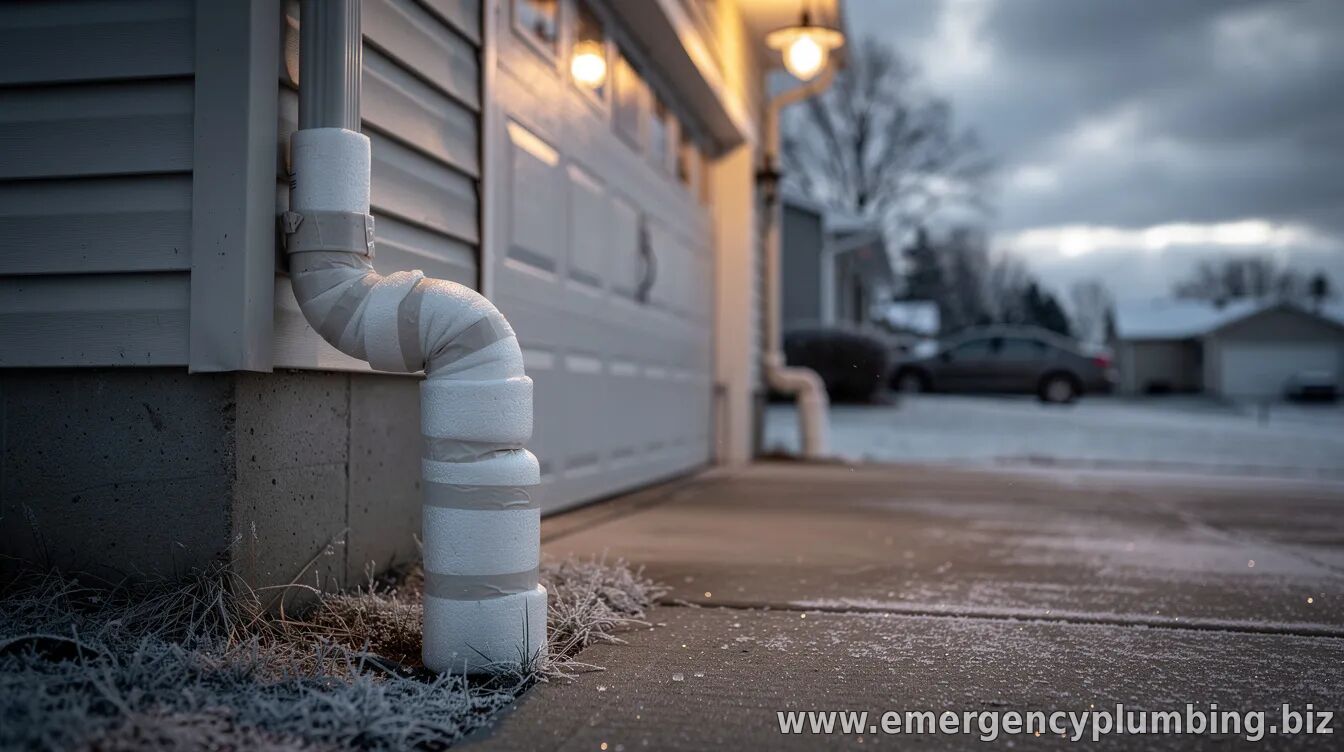
Insulate exposed pipes using foam pipe sleeves or other weather-appropriate insulation. Focus on sections along exterior walls and near areas where plumbing passes through unconditioned spaces. If the pipes run near vents or gaps, consider sealing those openings with caulk or weatherstripping so cold air can’t reach the lines.
In addition to pipe insulation, pay attention to the “envelope” of the home. Skirting, insulation gaps, and poorly sealed doors and windows can dramatically increase how long it takes for pipes to freeze during subfreezing conditions. Protect the highest-risk locations
If you have pipes under sinks on exterior walls, insulate them and consider leaving cabinet doors slightly open on very cold nights so warmer interior air can circulate. For crawl spaces, ensure you have ground cover where applicable and reduce drafts; for garages and sheds, make sure plumbing is insulated anywhere it’s exposed to outdoor air.
For homes with outdoor spigots, disconnect hoses and use a freeze-resistant approach. Install or use an outdoor faucet cover if your area doesn’t already have one, and consider draining lines tied to exterior fixtures. Plan for the coldest hours
When temperatures drop below freezing, small preventive measures can help. During extreme cold, running water at a slow trickle can relieve pressure and reduce freezing risk in vulnerable lines—especially where pipe insulation is limited or the plumbing serves exterior-facing areas.
If your home will be unoccupied, the risk increases. In that case, keep an appropriate indoor temperature steady and confirm the heating system is functioning. Avoid letting indoor spaces fall too low, particularly in rooms that share walls with exterior piping routes. Know what to do if a pipe starts to freeze
If you suspect freezing—such as reduced water flow, unusual noises, or visible ice—address it quickly. Thawing should be done carefully, using safe heating methods that avoid damaging the pipe. If you cannot restore flow promptly, or if you notice cracks or leaks, contact a licensed plumber.
Taking these steps before the Illinois cold snap can help you avoid emergency repairs and keep water flowing reliably. If you’re unsure which parts of your plumbing are most exposed, a quick walkthrough with a professional can pinpoint the highest-risk areas and tailor protection to your home.
| |
⏰ Dispatcher support 24/7
📞 224-754-1984CALL ☎ Subscribe 👆 FORUM 🗣
North Shore, Northwest suburbs of Chicago, IL
Next & Previous posts
Related articles: