

0:39 AM How to Extend the Life of a Gas Water Heater | |
A gas water heater can last for years, but its lifespan depends heavily on how well it’s maintained. With a few routine tasks—and prompt attention to warning signs—you can reduce wear on key components, limit corrosion, and keep efficiency from dropping.
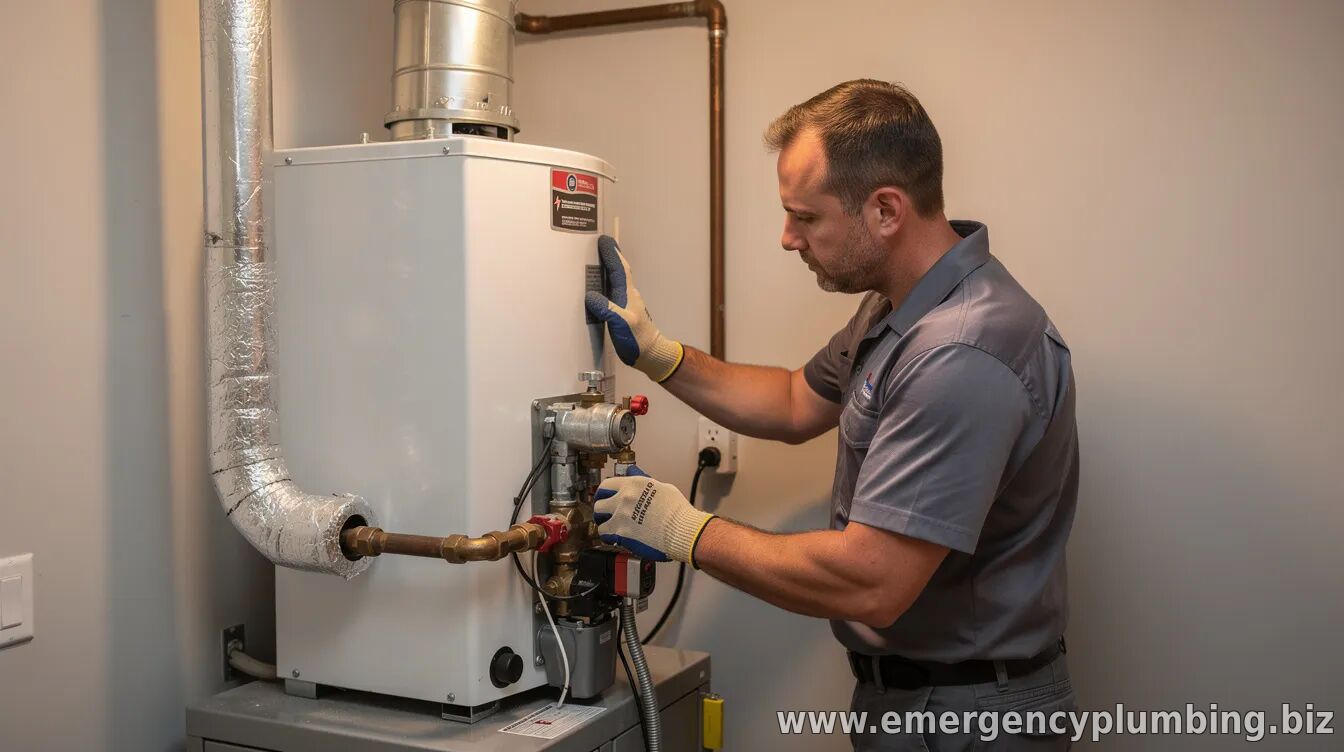
Because gas appliances involve combustion and ventilation, some tasks should be handled by a qualified technician. Still, many high-impact actions are homeowner-friendly and can be incorporated into an annual maintenance rhythm. Start with inspection and safe operation checks
At least once a year, inspect the heater’s exterior for rust, leaks, or unusual residue. Verify that the area around the unit is clear and that air vents and combustion-air pathways are unobstructed. Also confirm that the temperature/pressure relief valve discharge pipe (if present) is properly routed and not blocked.
If you smell gas, hear persistent ignition clicking, or notice soot buildup, stop using the heater and contact a professional. These can indicate ignition or venting problems that affect both safety and longevity. Flush the tank to reduce sediment buildup
Over time, minerals in the water settle at the bottom of the tank, forming sediment that can insulate the burner from the water. That forces the heater to work harder, drives up energy costs, and accelerates corrosion.
Flushing the tank—typically 1 to 2 times per year, depending on water hardness—helps remove that sediment. Many manufacturers recommend draining a portion of the tank until the outflow runs clearer. Check and replace the anode rod
The anode rod is designed to attract corrosion and protect the steel tank. As it deteriorates, the tank becomes more vulnerable to rust from the inside out. Inspecting the rod periodically (often every 2 to 3 years, depending on usage and water chemistry) can prevent premature failure.
If the rod is significantly depleted, a replacement can extend tank life substantially. This is usually straightforward but may require partial disassembly—follow your heater’s manual or have a technician do it. Set the temperature correctly for efficiency and safety
Lowering the thermostat slightly can reduce energy consumption and limit stress on the tank. Many households aim for a balanced setting (often around 120°F to 130°F), but the best temperature depends on household needs and local guidelines. Higher temperatures can increase heat loss and raise the risk of scalding.
If your heater is struggling to maintain hot water, consider whether the thermostat is too low, whether the inlet water temperature has changed, or whether the tank is affected by heavy sediment. Maintain ventilation and venting components
Gas water heaters rely on proper venting to safely remove combustion byproducts. Check that the vent piping and draft hood (where applicable) are clean, secure, and free from blockage or damage. Blocked or poorly functioning venting can cause soot accumulation and reduce system efficiency.
Any signs of improper draft, corrosion near vent connections, or repeated ignition/combustion issues are strong reasons to schedule service.
Extending your gas water heater’s life ultimately comes down to reducing corrosion, minimizing sediment, and ensuring safe combustion. Keep up with annual checks, flush the tank as needed, monitor the anode rod, and use a thermostat setting that supports efficiency without sacrificing comfort.
If you notice leaks, persistent rumbling, inconsistent water temperatures, or signs of venting trouble, address the problem early. Proactive maintenance is often far less expensive than replacing a failing unit.
| |
⏰ Dispatcher support 24/7
📞 224-754-1984CALL ☎ Subscribe 👆 FORUM 🗣
North Shore, Northwest suburbs of Chicago, IL
Next & Previous posts
Related articles: