
1:27 AM Remote Control for Home Automation and Plumbing Systems | |
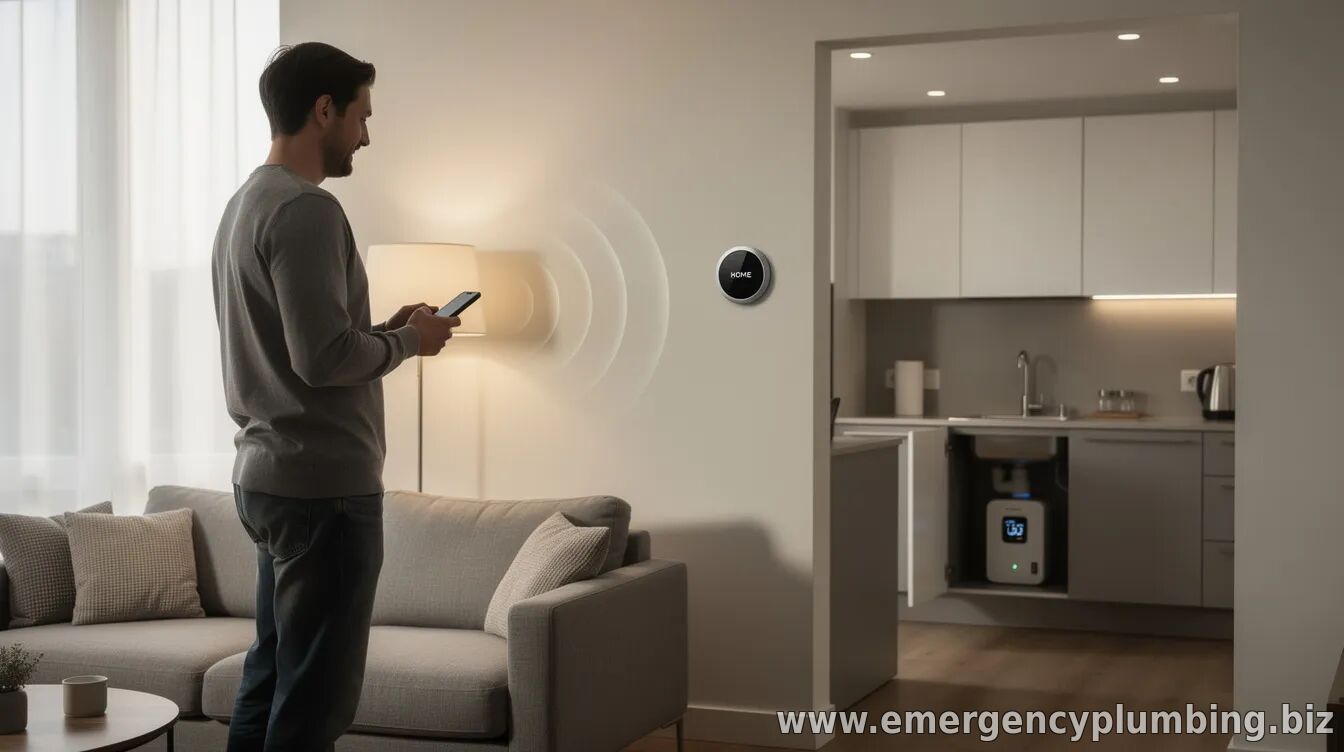
Remote home control has expanded beyond lights and thermostats. Increasingly, homeowners can also manage or monitor plumbing-adjacent systems—such as leak detection, shutoff valves, and water-use alerts—using the same mobile apps that run everyday smart-home automation.
While exact capabilities vary by brand and setup, the market trend is clear: sensors, automated routines, and cloud-based notifications make it possible to respond quickly when something is off, even if you’re away. Smart home basics you can control from anywhere
Many of the most established remote controls are still the most common. Through phone apps or voice assistants, users can adjust climate settings, manage lighting schedules, view camera feeds, and lock or unlock doors remotely. These features are widely supported by mainstream ecosystems and typically include real-time alerts for events like door openings or unusual motion.
For plumbing-related routines, the logic is similar: automation can watch for conditions, then act. Instead of controlling water “directly” with every smart device, many systems focus on detecting problems early—then triggering notifications or valves to limit damage. What plumbing monitoring can do today
Remote monitoring has become one of the most practical plumbing wins. Leak sensors placed near water heaters, under sinks, by toilets, and at plumbing junctions can alert you immediately when moisture is detected. Some setups also report approximate water exposure levels and maintain event histories you can review later.
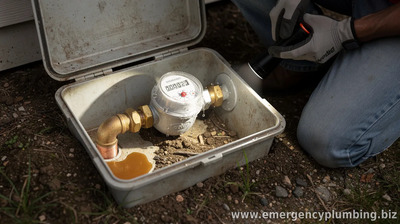
Beyond leak detection, water-use monitoring devices (such as smart meters or whole-home flow sensors, depending on the region and product) can send alerts when consumption spikes. That can help detect running toilets, irrigation issues, or hidden leaks—even if the leak hasn’t yet produced visible water. Remote shutoffs: the biggest jump in control
The most consequential plumbing capability for many households is remote shutoff. Some smart water valves can be installed on supply lines so that, when a leak sensor triggers or a user initiates an action, the valve can close and stop the flow. In practice, this can reduce the time water is escaping before a repair is possible.
Not every home is ready for a remote shutoff on day one. Installation requirements, valve sizing, and compatibility with the home’s plumbing layout can affect what’s feasible. Still, the direction of travel is toward “automation with fail-safes,” where sensors and valves work together rather than relying solely on manual intervention. Automations that connect plumbing risk to everyday routines
Modern platforms increasingly let users link events across categories—so plumbing risk can trigger actions in the rest of the home. For example, a leak alarm can automatically send priority notifications, turn on lights in affected areas, or notify a designated household contact. Climate systems may also adjust when water sensors indicate an abnormal situation that could impact indoor comfort or humidity.
These cross-system automations are particularly useful for travel days, extended weekends away, or seasons when indoor plumbing is under more stress (freezing temperatures, heavy rainfall, or irrigation cycles). Limitations to understand before relying on smart plumbing
Despite real improvements, remote control isn’t a substitute for maintenance or professional inspection. Batteries can die, sensors can be accidentally misplaced, Wi-Fi connections can drop, and some platforms may have delayed notifications during outages. Additionally, many systems detect leaks rather than “fix” root causes, meaning you still need repairs once damage is prevented or contained.
It’s also important to verify product compatibility and app control features—especially if you’re mixing brands. Some ecosystems offer strong integration, while others provide monitoring but limited automation control over valves and other hardware. How to get set up effectively
If you’re planning upgrades, start with the highest-risk locations: water heater areas, under-sink cabinet plumbing, behind toilets, laundry connections, and any exposed supply lines. Then add alerts before you add shutoffs, and confirm that your notifications work when your phone is on cellular data (not just at home).
For households that want the most “remote control” value, prioritize systems that include both reliable detection and an appropriate response method—like an automatically triggered valve—alongside clear logs and easily accessible emergency controls in the app.
| |
⏰ Dispatcher support 24/7
📞 224-754-1984CALL ☎ Subscribe 👆 FORUM 🗣
North Shore, Northwest suburbs of Chicago, IL
Next & Previous posts
Related articles: