


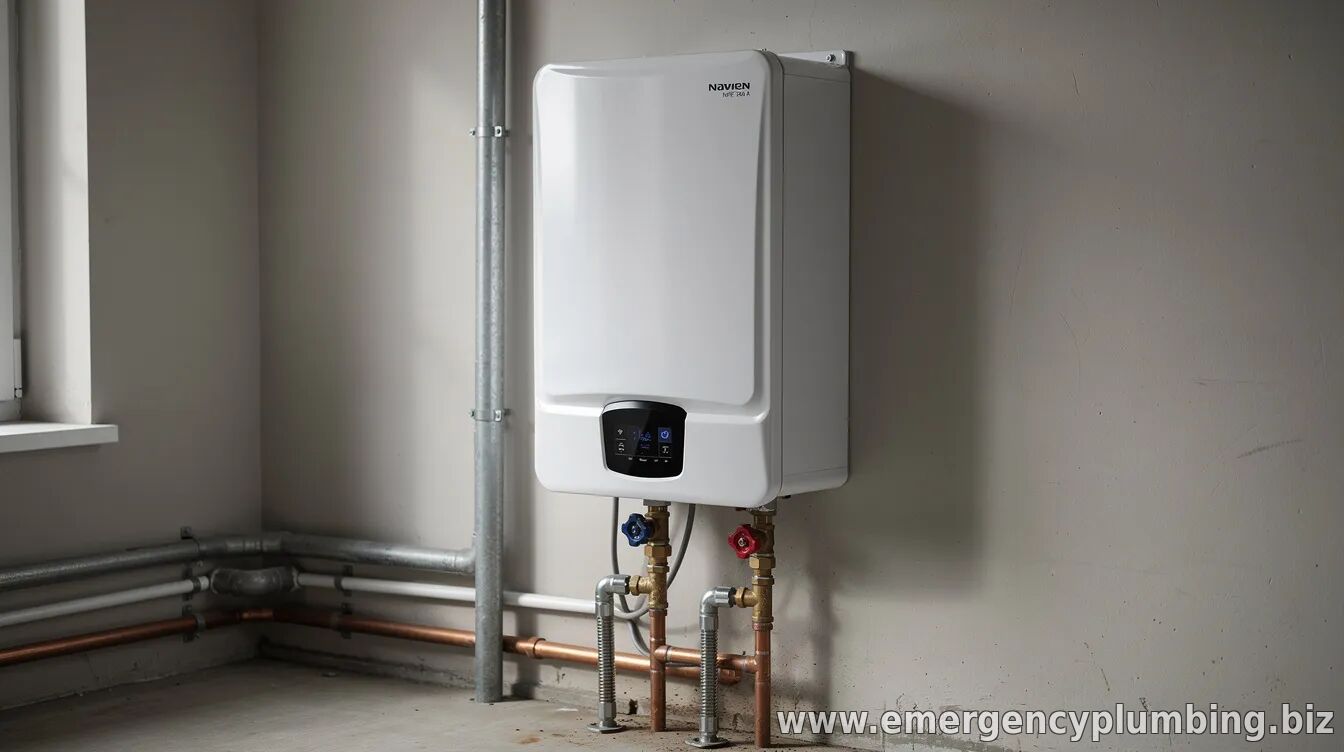
2:19 AM Navien NPE-240A2 Tankless Water Heater: Real-World Review | |
The Navien NPE-240A2 is a 240,000 BTU-class tankless water heater designed to deliver high-demand hot water without a storage tank. While manufacturer specs tell part of the story, real-world performance comes down to installation quality, gas/water supply conditions, and how the unit is sized for your household’s peak usage.
Below is a practical, day-to-day review-style look at what homeowners and installers commonly focus on with this model: hot-water output, temperature control, efficiency, and maintenance realities. Hot-water performance under real household demand
In typical real-world scenarios—showers running back-to-back, filling a tub, or using hot water at multiple faucets—the NPE-240A2 generally performs best when it’s correctly matched to the home’s expected flow rate. Because tankless units modulate output, the “feel” of performance depends heavily on whether your simultaneous hot-water needs exceed what the heater can sustain at your desired temperature rise.
Owners often report that when the unit is properly sized, hot water is more consistent than they were expecting versus smaller tankless models. But like most condensing/advanced tankless heaters, performance can feel less impressive if water temperature targets are set high during cold-weather conditions or if the heater is asked to run too many fixtures at once. Temperature stability and comfort
Temperature stability is a major deciding factor for tankless systems, especially in households where more than one person showers at different times or where there’s frequent fixture switching. The NPE-240A2’s control logic is intended to help maintain set temperatures despite changes in flow.
In practice, users usually find that setting a reasonable target temperature improves the experience: it reduces unnecessary cycling and helps avoid large swings during draw changes (like turning a faucet on while someone is mid-shower). If you chase very high temperature targets, expect the unit to spend more effort compensating for inlet temperature differences. Efficiency: where the savings typically come from
Tankless efficiency is often misunderstood as “always better.” What it usually means in the real world is that you pay for heating only when hot water is demanded, rather than maintaining a tank temperature 24/7. For families with irregular schedules—morning showers, evening dishwashing, weekend use—this can translate into noticeable savings compared with standby-heavy systems.
That said, actual efficiency depends on heat loss factors (venting and insulation), maintenance (especially heat exchanger condition), and your local water chemistry. Hard water can impact performance over time if maintenance isn’t kept on schedule. Installation and sizing: the difference between “great” and “frustrating”
The NPE-240A2 can deliver strong results, but tankless performance is unforgiving when installation details fall short. Real-world outcomes often track closely with:
If a home is borderline on flow demand or the unit is paired with poorly matched fixtures, hot-water “capacity” complaints can show up quickly—even if the heater itself is working as designed. Maintenance: what owners should plan for
Most tankless owners eventually learn that maintenance isn’t optional. Scaling and mineral buildup can reduce heat transfer efficiency and increase operating strain. A periodic descaling/flush routine (often recommended seasonally or annually depending on water hardness) helps keep the unit performing like it did when new.
Because real-world service intervals vary by region, water hardness, and usage patterns, it’s smart to ask your installer what maintenance schedule they recommend locally—and how that schedule affects long-term performance. Is the Navien NPE-240A2 a good fit?
The Navien NPE-240A2 is typically a strong option for households that want high-output tankless performance and are comfortable ensuring correct sizing and maintenance. If you need reliable hot water for multiple fixtures—especially during high-demand periods—and your home is set up for proper gas, water, and venting requirements, it can feel like a meaningful upgrade.
On the other hand, if your household’s peak hot-water draw is lower than what the unit is typically optimized for, or if your installation details are questionable, you may experience more noticeable limitations than you would with a more appropriately sized system.
Bottom line: The NPE-240A2’s real-world strengths tend to show up when it’s sized correctly, installed properly, and maintained. For buyers who plan for those factors, it can deliver fast, steady hot water without the standby losses of tank systems.
| |
⏰ Dispatcher support 24/7
📞 224-754-1984CALL ☎ Subscribe 👆 FORUM 🗣
North Shore, Northwest suburbs of Chicago, IL
Next & Previous posts
Related articles:
![]()