

2:16 AM How Long Should a Water Heater Really Last? | |
Homeowners often assume their water heater will “just keep working” until it fails. In reality, the question isn’t only how long a unit can last—it’s how long it typically does in the real world, and what warning signs mean you should prepare sooner.
On average, conventional tank-style water heaters tend to last about 8 to 12 years. With proper maintenance and favorable conditions, some can run longer; heavy use, poor water quality, and lack of service can shorten that timeline. Typical lifespans by water-heater type
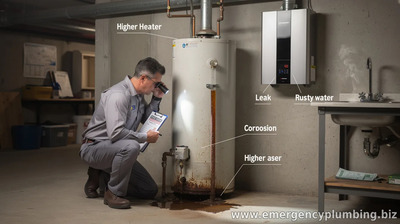
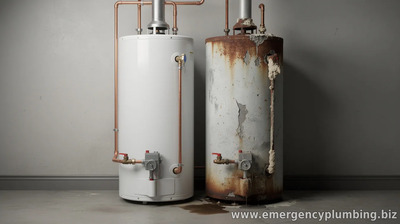
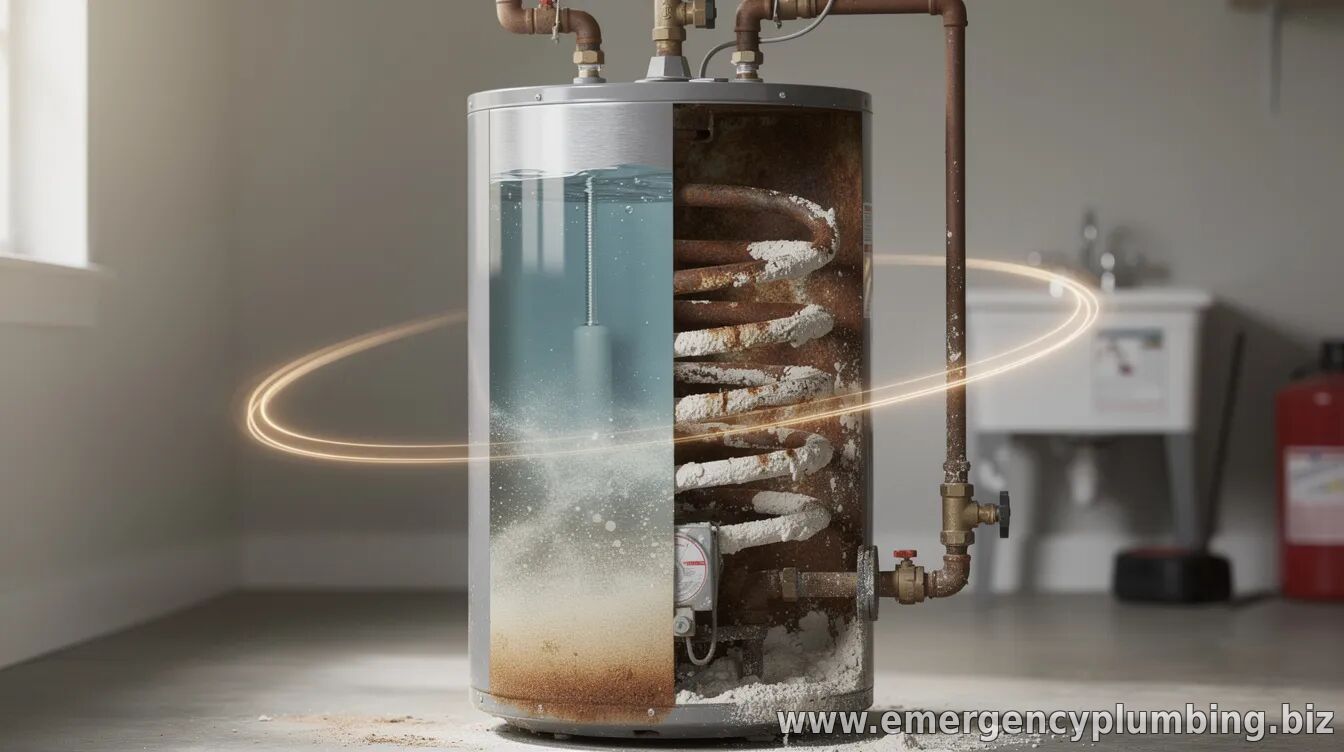
Tank water heaters use a steel tank that accumulates mineral scale and corrosion over time. That deterioration is a major reason lifespan is finite. As a result, many manufacturers and industry guidance place expected service life in the same broad range.
General benchmarks:
Actual results depend on how the equipment is installed, how hard the water is, and whether the system is serviced over time. What makes a water heater fail early
Even a newer unit can wear out faster if certain conditions are present. The most common accelerants are mineral buildup and corrosion, which gradually reduce efficiency and increase the risk of leaks or component failures.
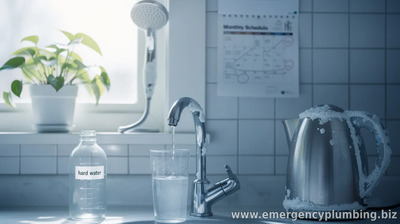
Key factors that shorten lifespan include:
Signs it’s time to plan for replacement
Waiting for a complete breakdown can mean an emergency situation—especially if a tank begins leaking. Many failures are preceded by measurable changes in performance or safety alerts.
Consider planning replacement or getting an inspection if you notice:
Also, any discharge from the pressure relief valve, persistent leaks, or repeated component repairs are strong indicators that replacement may be more cost-effective and safer than continuing to patch the system. How to help your water heater last longer
A few practical steps can extend service life and reduce the odds of sudden failure. The goal is to slow corrosion, limit scale, and ensure safety systems work as intended.
Maintenance actions that commonly improve longevity include: scheduling regular inspections, checking the temperature and pressure relief pathway, and—if you have a tank model—flushing to reduce sediment. For tankless systems, periodic descaling (especially in hard-water areas) can protect heat exchangers and maintain efficiency.
If you’re unsure what applies to your home, the best starting point is the owner’s manual and a professional evaluation of your water conditions and usage patterns. Sizing and performance often matter as much as age.
Bottom line: a tank water heater commonly lasts 8–12 years, while tankless and heat-pump options are often designed for longer service. If your unit is nearing those benchmarks or showing warning signs, planning ahead can prevent disruptions and potentially reduce total repair costs.
| |
⏰ Dispatcher support 24/7
📞 224-754-1984CALL ☎ Subscribe 👆 FORUM 🗣
North Shore, Northwest suburbs of Chicago, IL
Next & Previous posts
Related articles: