
1:20 AM Toilet Running Constantly: Common Causes and Fixes | |
A toilet that runs constantly—sometimes quietly, sometimes noticeably—doesn’t just waste water. It can also drive up utility bills and indicate a problem inside the tank that’s easy to miss during day-to-day use.
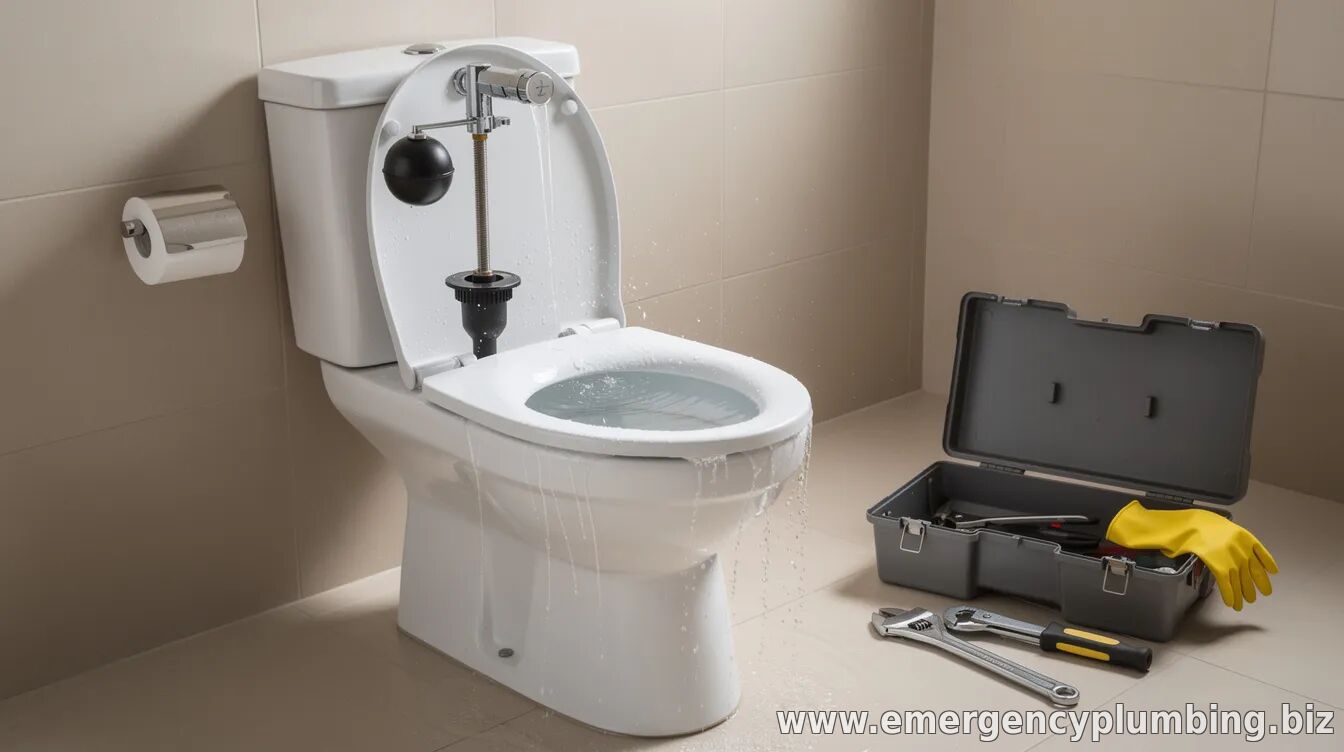
While the exact cause varies by model, most constant-running issues come from a component in the toilet tank failing to seal properly or being set incorrectly. Here are the most common reasons and practical fixes to restore normal flushing behavior. 1) Flapper not sealing (most common)
The flapper is the rubber valve that closes the tank outlet after you flush. If it doesn’t seal fully—because it’s worn, warped, or coated with mineral deposits—the tank refills continuously and the toilet “runs.”
Fix: Remove the tank lid and inspect the flapper. If it looks cracked, hardened, or uneven, replace it. If it appears intact, clean mineral buildup (a mild vinegar soak can help) and ensure it sits flat and closes the opening completely. 2) Chain too loose or too tight
The flush handle lifts the flapper using a chain. A chain that’s too loose can prevent the flapper from closing tightly; one that’s too tight can hold it partially open, leading to constant flow.
Fix: Adjust the chain so there’s a little slack when the handle is at rest. A common target is to have the chain length allow the flapper to fully close without binding when you release it. 3) Float or fill valve set too high
If the water level in the tank is set above the fill line, it may trigger overflow or cause water to constantly feed into the bowl via the overflow tube system.
Fix: Check the tank’s water level relative to the marked line. Adjust the float or fill valve so the water level sits just at (or slightly below) the fill line recommended by your toilet’s design. After adjusting, wait a few minutes to confirm the running stops. 4) Overflow tube or inlet problems
Some toilets use an overflow tube that directs excess tank water away from the tank and into the bowl. If the tube is mispositioned or the fill valve’s water delivery isn’t stable, the toilet can run continuously.
Fix: Inspect the overflow tube for correct alignment and ensure it’s set to the intended height. If your toilet has a fill valve/inlet adjustment, follow the manufacturer’s settings and verify the inlet isn’t clogged or leaking. 5) Toilet fill valve wear (constant refill after fixes)
If the flapper and chain look fine and the water level is correctly set, the fill valve itself may be worn or sticking, causing it to cycle or continue supplying water.
Fix: Listen for the refill sound and observe whether water continues entering the tank after it should be full. If the valve won’t reliably shut off, replacing the fill valve assembly is often the most reliable repair.
Quick diagnostic tip: With the tank lid on, watch the parts while the toilet is running. You’ll usually see either the flapper slowly leaking, the water level hovering too high, or water continuing to enter the tank or bowl path—each points to a different component.
If you’re not comfortable opening the tank or replacing parts, a licensed plumber can confirm the specific failure and swap the correct component. But for most constant-running toilets, checking and adjusting the flapper, chain, and float settings resolves the issue quickly.
| |
⏰ Dispatcher support 24/7
📞 224-754-1984CALL ☎ Subscribe 👆 FORUM 🗣
North Shore, Northwest suburbs of Chicago, IL
Next & Previous posts
Related articles: