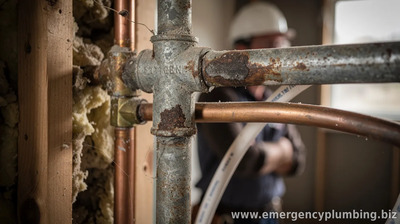


1:02 AM PVC vs Copper vs PEX: Choosing Pipe Material for Repiping | |
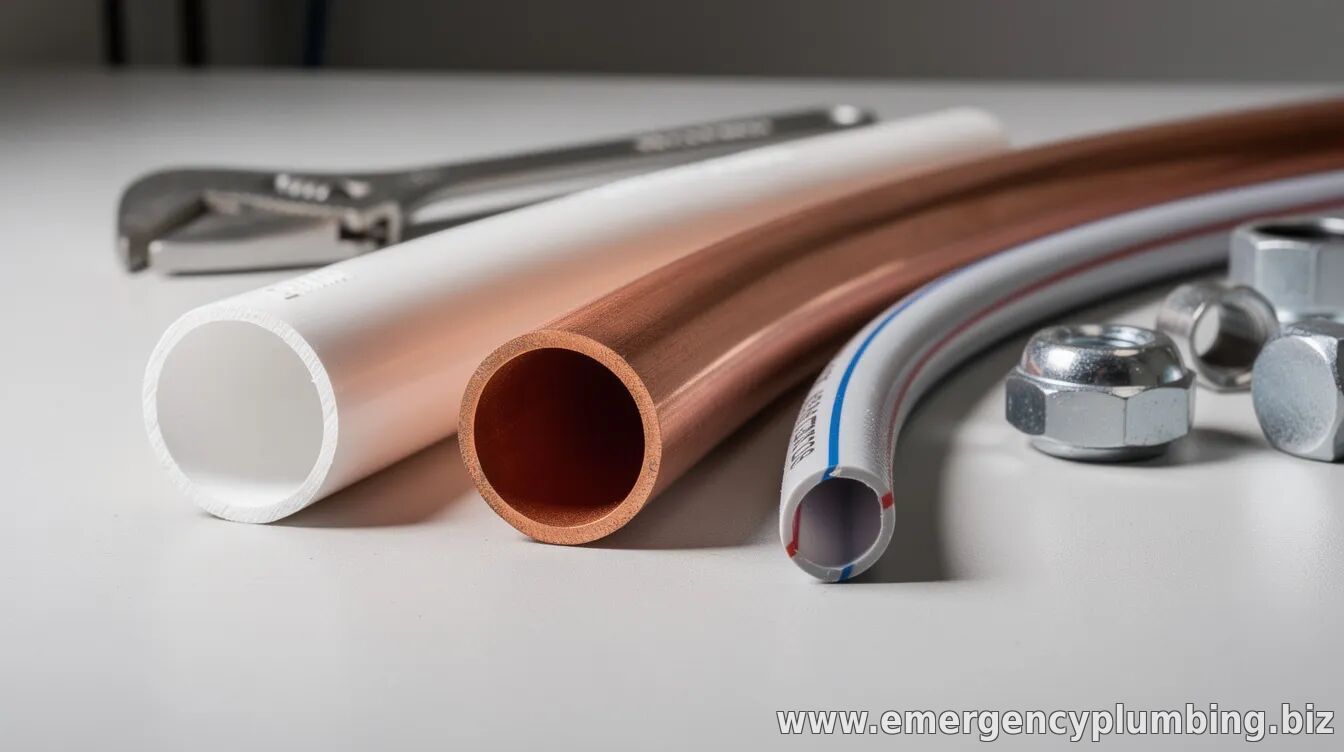
Choosing a pipe material for repiping comes down to performance over time, installation realities, and what local codes allow. Homeowners typically weigh three main options: PVC (polyvinyl chloride), copper, and PEX (cross-linked polyethylene). Each has strengths—and tradeoffs—that can materially affect total project cost and long-run maintenance.
For most repiping projects, the “best” choice depends on the water conditions in your area, your home’s plumbing layout, and whether you prioritize quick installation or proven longevity. While all three can be used for potable water in many jurisdictions, requirements vary by region and system type (water supply vs drainage, hot vs cold, and location). Cost and budgeting: what usually changes the bottom line
Material cost is only one part of the total price. Copper is often priced higher per length and may require specialized fitting and labor. PVC can be comparatively affordable, especially for certain runs, but still involves labor-intensive joining methods. PEX is frequently competitive on upfront costs because it’s lightweight, flexible, and can reduce labor time by simplifying routing through tight spaces.
However, the best savings may depend on how much of your piping network can be re-routed efficiently. Homes with complex layouts may benefit more from PEX’s flexibility, while simpler straight runs can make PVC or copper more cost-effective depending on local labor rates and supply pricing. Durability and lifespan: how they hold up over years
Copper is widely regarded for long service life and resistance to mechanical damage, which is one reason it’s been a common standard in many regions. Its performance is generally strong in typical residential conditions, though corrosion behavior can vary depending on water chemistry (such as pH and mineral content).
PVC is also known for good chemical resistance, particularly in drain and certain pressure applications where permitted. It typically resists many corrosive influences better than some metals, but it can be vulnerable to cracking impacts and may have constraints around temperature depending on the specific system and fittings used.
PEX is valued for flexibility and the ability to absorb movement with fewer joint stress points. It can also reduce the risk of certain types of freeze-related cracking compared to rigid pipe materials, though installation quality still matters. Like any material, PEX’s long-term performance depends on correct pressure ratings, proper temperature exposure, and code-compliant installation practices. Installation and remodeling impact: time, access, and routing
PEX often stands out during repiping because it can be run in longer continuous lengths and bent around obstacles, which may reduce the need for many elbows and joints. That can translate to fewer fittings, faster labor, and less wall or ceiling disruption—particularly in remodels where minimizing demolition is a priority. Copper requires more precise cutting, fitting prep, and connection work, which can increase labor time. In some layouts, multiple joints and fittings are unavoidable, and that means more opportunities for workmanship variability to affect reliability.
PVC installation can be efficient for certain configurations, but joining methods must be done carefully to achieve reliable seals. It is also generally less forgiving than PEX in tight routing scenarios, which can affect how much of the plumbing network is practical to replace quickly. Water quality and local water chemistry considerations
Water chemistry is a major deciding factor. Copper can be influenced by corrosivity and water conditions; many systems are designed with the expectation that plumbing will be properly maintained and that water properties will remain within typical ranges. That said, homeowners sometimes choose copper specifically because it has established performance data and predictable behavior in many municipalities.
PVC is typically considered inert for potable water when installed correctly with approved components. PEX performance is also generally reliable, but concerns can arise if a system is not installed to code or if temperatures and stagnation conditions exceed what the product is intended to handle.
Because “water quality” isn’t one-size-fits-all, it’s often wise to review local water reports or test results (especially for pH, hardness, and corrosivity) before selecting a material—particularly if you’ve experienced pinhole leaks (often associated with copper in certain conditions) or discoloration issues. Common tradeoffs to consider before you commit
Each pipe material comes with practical constraints. Copper can cost more and involves more rigid handling during installation. PVC is frequently used and durable, but it may face routing limitations and particular temperature or pressure boundaries depending on the product and application. PEX’s advantages—flexibility and potentially faster installation—depend on using the correct PEX system components and proper crimping or expansion methods where applicable.
Also, check local code requirements for fittings, barrier use (where required), and approvals for the specific use case (pressure supply vs other applications). Repiping is not only a material decision; it’s a full system decision that includes valves, connectors, insulation where needed, and how the water heater and fixtures are tied in.
When repiping, many contractors recommend treating this as a “system design” choice rather than a single-material purchase. The right selection often comes from matching the pipe material to the home’s layout and water conditions, then ensuring that the entire installation follows manufacturer specifications and code.
If you’re planning repiping, request a detailed scope of work that compares material options by total installed cost, expected labor time, and how each option fits your specific plumbing routes. A small difference in fitting count and access damage can outweigh material price differences—especially in whole-house replacements.
| |
⏰ Dispatcher support 24/7
📞 224-754-1984CALL ☎ Subscribe 👆 FORUM 🗣
North Shore, Northwest suburbs of Chicago, IL
Next & Previous posts
Related articles: