

3:10 AM Signs a Faucet Needs Repair or Replacement | |
A leaky, inconsistent faucet is more than an annoyance—it’s often a sign that either a repair will fix the underlying issue or the fixture has reached the end of its service life. The decision is usually based on how the problem behaves, how long it returns after repairs, and how much wear the faucet shows. Quick rule of thumb: repair if the problem is limited
Repair is typically the right choice when the faucet’s symptoms point to a specific failing part, such as a worn washer, cartridge, O-ring, or valve seat. If the issue is localized (for example, a single handle that’s getting harder to move or a drip that stops after replacing a cartridge), a repair usually offers the best value. Replace the faucet when damage is widespread or recurring
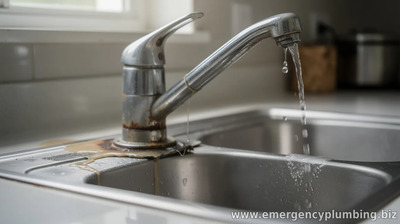
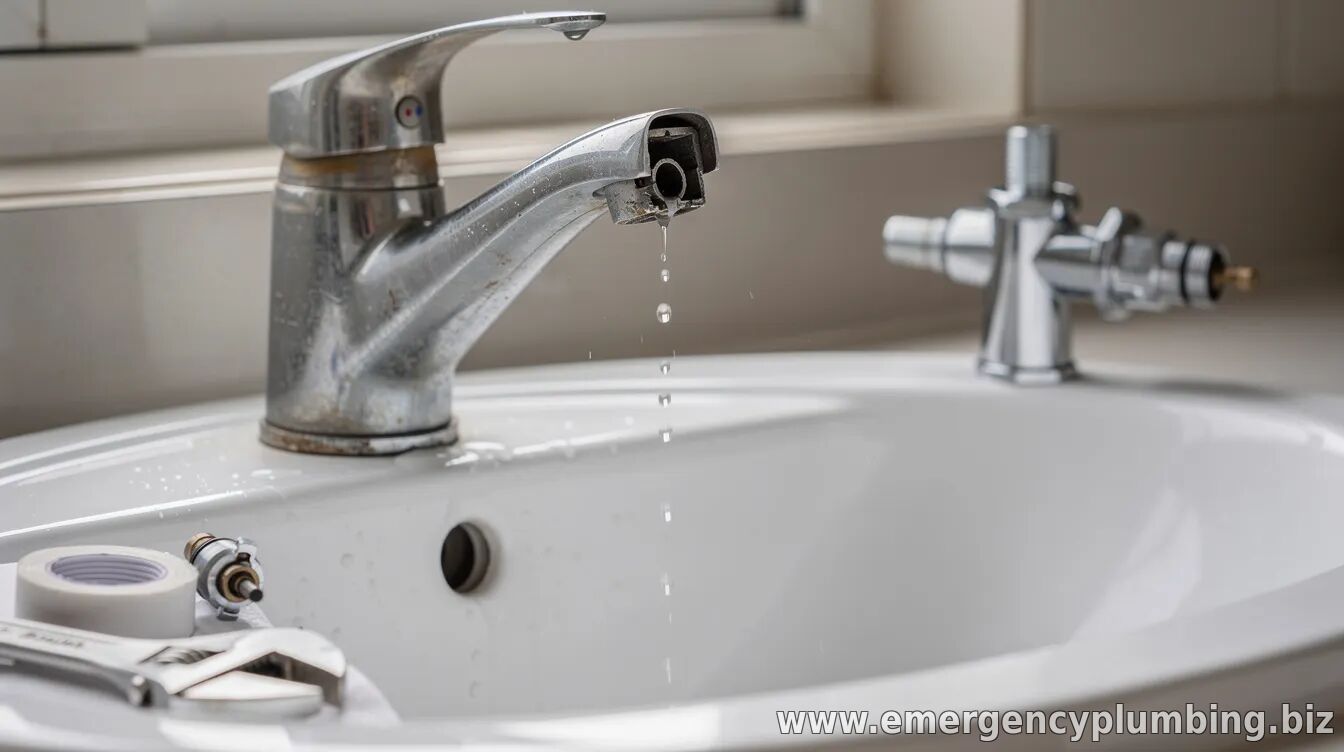
Replacement becomes the smarter option when multiple components show advanced wear—or when repairs repeatedly fail. Frequent re-leaks after maintenance, visible corrosion near the base or inside the handle, and a faucet that feels loose or wobbly are strong signals that the fixture itself is deteriorating.
Here are common signs you may be looking at repairs:
Many modern faucets are designed so that internal parts—especially cartridges—can be swapped with minimal hassle. When the housing is still solid and the leaks are tied to a specific failure mode, repairing is often faster and cheaper than replacing the entire unit.
These signs point more strongly toward replacement:
When corrosion or structural wear is involved, replacing the faucet can prevent future leaks and reduce the likelihood of hidden failures inside the valve body.
Consider the total cost, not just the next fix. If you’re buying parts and tools repeatedly—or if the faucet is difficult to service due to age, discontinued components, or awkward access—replacement may be the more economical long-term solution.
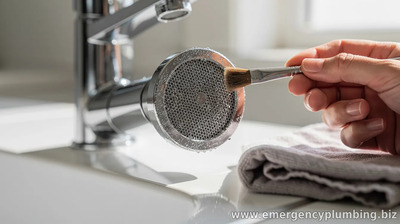
When in doubt, do a quick diagnostic. Check for obvious issues like a clogged aerator, a faulty shutoff valve, or loose connections at the supply lines. If those basics don’t resolve the problem and internal replacement parts keep failing, that pattern often indicates deeper wear that replacement will address more reliably.
Ultimately, repairing is usually the best path when the faucet shows limited, part-specific symptoms. Replacing is worth it when the problem is recurring, the fixture is visibly worn, or the underlying valve body appears to be aging beyond what repairs can correct. If you’d like, tell me the faucet type (single-handle, two-handle, cartridge vs compression) and the symptoms you’re seeing, and I can help narrow down the most likely cause.
| |
⏰ Dispatcher support 24/7
📞 224-754-1984CALL ☎ Subscribe 👆 FORUM 🗣
North Shore, Northwest suburbs of Chicago, IL
Next & Previous posts
Related articles: