

1:53 AM When to Repipe: Galvanized, Copper, and PEX Explained | |
Plumbing doesn’t usually fail all at once—especially in older homes. Instead, issues tend to build gradually, often showing up as reduced water pressure, recurring leaks, rusty discoloration, or uneven hot and cold temperatures. For homeowners facing persistent problems, repiping can be the more cost-effective long-term solution than repeated patch repairs. Common signs it’s time to repipe
If you’re still deciding between localized fixes and a full replacement, these are the most reliable indicators that the plumbing system may have reached the end of its useful life.
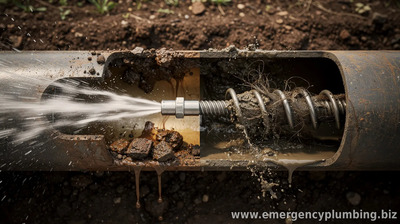
1) Rusty or discolored water—Frequent orange/brown water, especially after the system has been unused, often points to internal pipe corrosion. Even if you run the tap, the issue may return as corrosion continues.
2) Low water pressure and clogged fixtures—Progressive pressure loss can be caused by mineral buildup or corrosion reducing pipe diameter. If aerators and showerheads clog repeatedly or pressure drops noticeably across multiple rooms, the problem may be inside the walls.
3) Frequent leaks or moisture—Pinpointing the exact leak location can be difficult in older systems. If leaks recur in different areas—or if you find persistent dampness in ceilings, basements, crawl spaces, or behind walls—it can signal widespread deterioration.
4) Water hammer and inconsistent temperature—Banging noises (water hammer) and uneven hot/cold performance may occur when pipe conditions and flow change over time, particularly in systems with aging joints or restricted flow. How galvanized steel, copper, and PEX compare
What your home is currently plumbed with can offer clues about how urgent replacement may be.
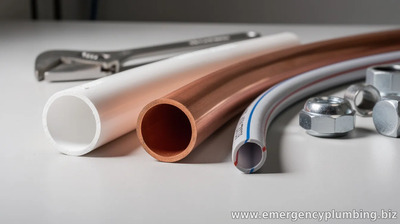
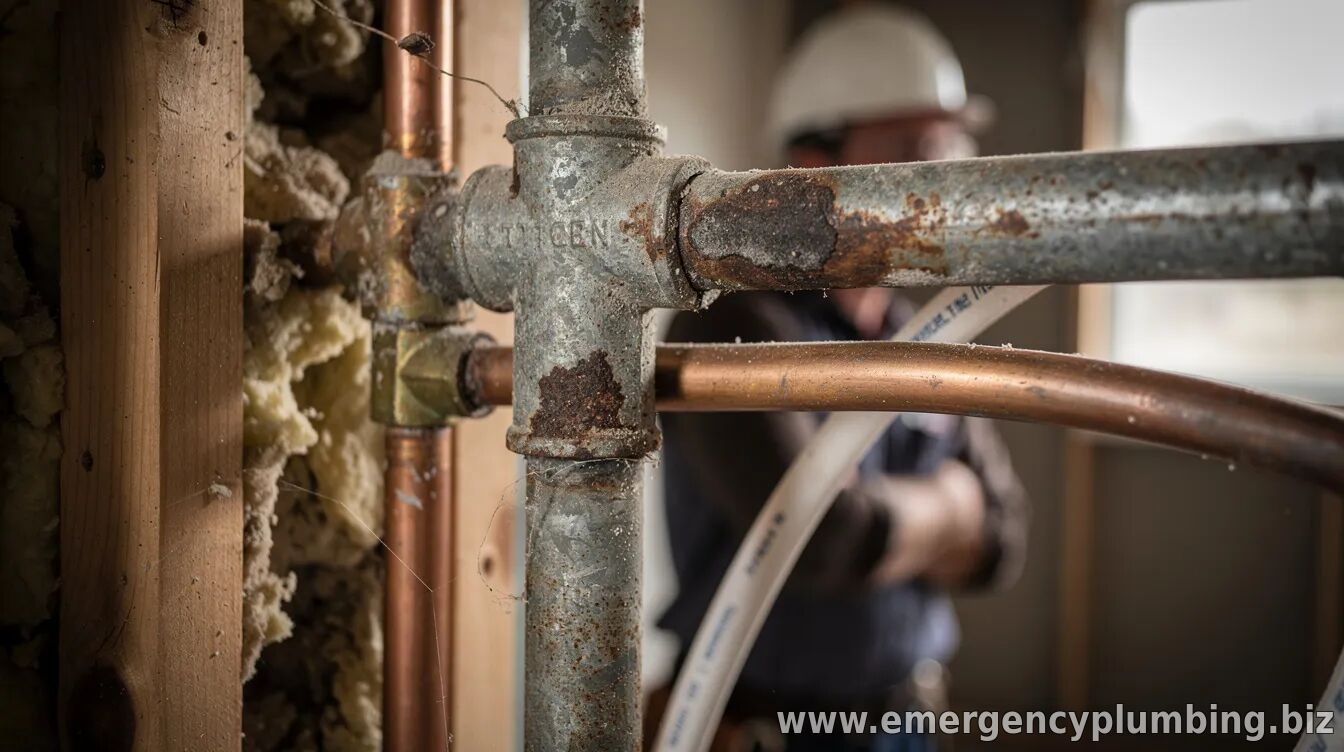
Galvanized steel (common in many older homes): Over time, galvanized pipes corrode internally, which can lead to rust-colored water, clogged lines, and pressure loss. Because the interior narrowing happens gradually, problems may not be obvious until symptoms worsen. Repiping is often considered when corrosion-related issues become frequent or widespread.
Copper (commonly installed later than galvanized): Copper can last decades and is generally more corrosion-resistant than galvanized. However, it may still fail due to pinhole leaks, freeze damage, or deterioration at joints in certain conditions. If you’re seeing repeated leaks or systemic pressure/flow issues, replacement may still be the better option.
PEX (a flexible plastic line): PEX is typically used in newer installations and is known for flexibility and resistance to many corrosion problems that affect metal pipes. While it’s not immune to installation mistakes or temperature-related concerns, it often provides a more reliable pathway for modern plumbing performance and can reduce the likelihood of corrosion-driven blockages.
When choosing a replacement, many homeowners also consider related components—shutoff valves, supply lines, water heaters, and fittings—because even a strong main line can underperform if the system’s connections or pressure regulation are failing. What to do next before committing
Before scheduling a full repipe, it’s smart to gather information that clarifies whether you need full replacement or targeted repairs. A qualified plumber can assess pipe material, inspect accessible sections, evaluate pressure/flow at fixtures, and review the pattern of leaks.
Key questions to ask:
Ultimately, repiping is less about “time since installation” and more about condition and risk. If your older plumbing shows multiple warning signs—particularly rust, recurring leaks, and persistent pressure loss—replacing the system can help prevent escalating water damage and reduce long-term repair costs.
| |
⏰ Dispatcher support 24/7
📞 224-754-1984CALL ☎ Subscribe 👆 FORUM 🗣
North Shore, Northwest suburbs of Chicago, IL
Next & Previous posts
Related articles: