

4:38 AM 5 Signs It’s Time to Replace Your Kitchen Faucet | |
A kitchen faucet sees constant use—so when it starts to fail, the problems often show up fast. While minor issues can sometimes be repaired, certain warning signs suggest your faucet is no longer functioning safely or efficiently.
Below are five common indicators it’s time to replace your kitchen faucet, along with what they can mean for daily performance and household maintenance. 1) Persistent leaks you can’t stop
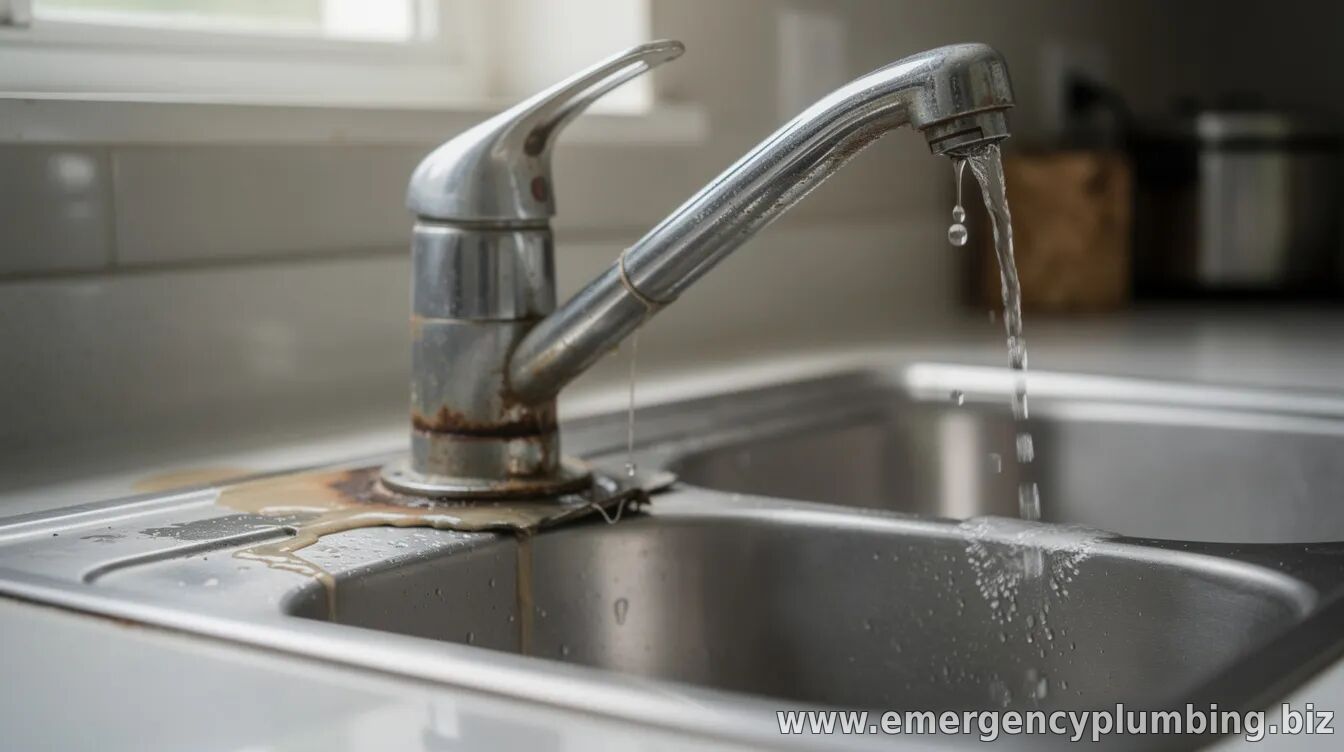
A slow drip from the spout or water pooling around the base are common early symptoms. If tightening parts, replacing a washer, or simple maintenance doesn’t resolve the leak, the faucet’s internal components may be worn beyond a practical repair.
Persistent leaking can also waste water and increase the risk of water damage under the sink. 2) Low or inconsistent water pressureIf water flow has dropped noticeably—or alternates between strong and weak—there may be mineral buildup, a failing cartridge, or a clogged internal pathway. Repeated cleaning of the aerator that doesn’t restore normal pressure is a strong sign the faucet may be nearing replacement.
Inconsistent pressure can also affect cooking tasks like filling pots quickly or rinsing dishes effectively. 3) Difficulty switching modes or controlling temperature
Many kitchen faucets rely on cartridges to manage hot/cold mixing and spray modes. If the handle feels loose, the faucet won’t hold temperature correctly, or switching between stream and spray becomes erratic, internal wear may be the cause.
When adjustments stop working predictably, replacing the faucet is often the most reliable long-term fix. 4) Visible corrosion, rust, or finish damage
Scratches are normal wear, but widespread corrosion, rust spots, or bubbling finishes can indicate deeper deterioration. Corroded internal metal parts may compromise performance, while compromised exterior finishes can make cleaning harder and reduce the faucet’s lifespan.
Over time, corrosion can also contribute to leaks and reduced water quality. 5) Strange noises, sticking, or rough operation
Grinding, squealing, clicking that worsens, or a handle that sticks while turning can point to failing mechanical components. Even if the faucet still produces water, rough operation often means parts are no longer moving smoothly inside.
That friction and wear typically accelerate, and continued use may lead to sudden failure.
What to do next: If you’re seeing one or more of the signs above, consider assessing whether the issue is limited to an aerator or cartridge—and how costly continued repairs would be compared with replacement. For ongoing leaks, repeated pressure problems, or worsening control issues, a new faucet is frequently the most efficient and dependable solution.
Replacing a kitchen faucet can also be a chance to improve water efficiency, update the style, and add features that better match how you cook and clean.
| |
⏰ Dispatcher support 24/7
📞 224-754-1984CALL ☎ Subscribe 👆 FORUM 🗣
North Shore, Northwest suburbs of Chicago, IL
Next & Previous posts
Related articles: