

0:24 AM Signs of a Slab Leak and Why It’s Urgent | |
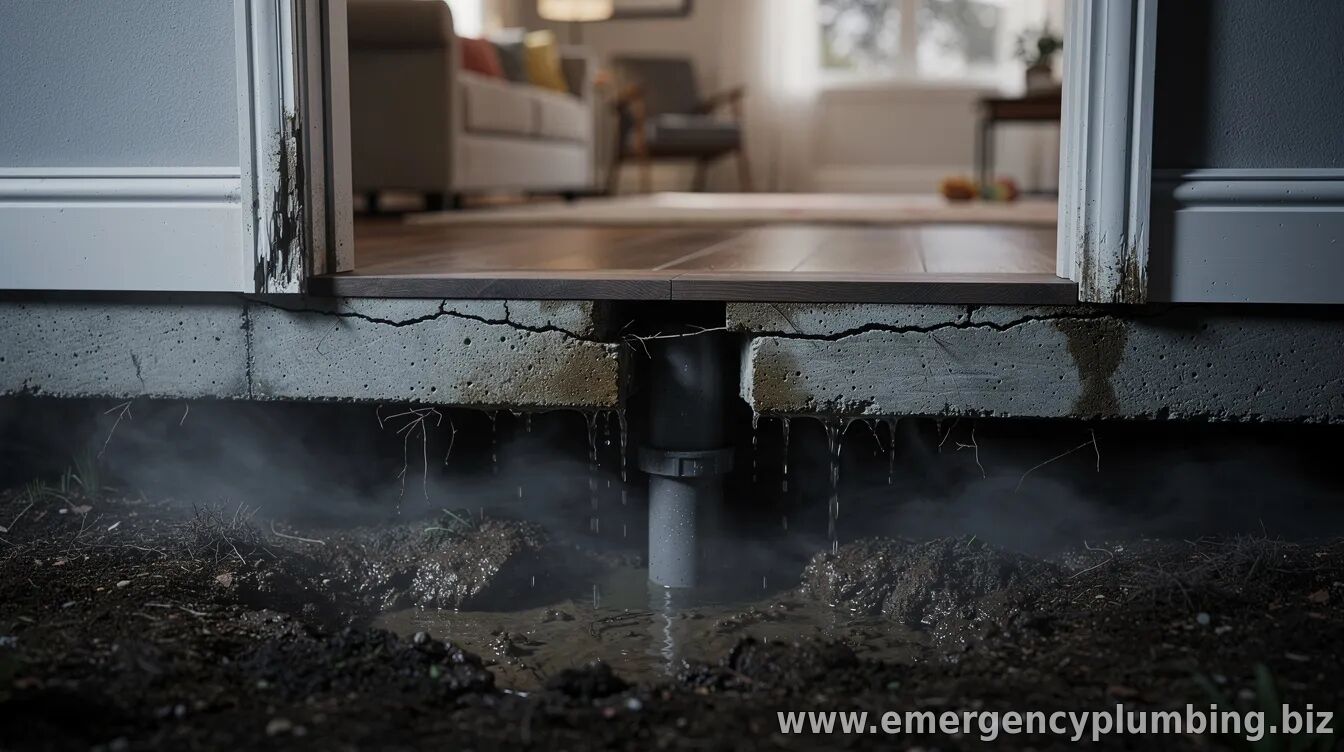
A slab leak is a plumbing failure that occurs beneath a home’s concrete foundation. Because the leak is hidden, the damage can build for weeks or months before homeowners realize what’s happening—making early recognition and prompt repair especially important.
While the exact cause varies, most slab leaks involve aging water supply lines, shifting soil, corrosion, or plumbing installation issues. The urgency comes from the fact that water can travel through the slab and surrounding materials, undermining both your property and your indoor air quality. Common signs of a slab leak
Unusually high water bills are often the first clue. If your water usage spikes without a corresponding change in household routines—such as more showers or outdoor watering—it may indicate a leak.
Dampness or dark patches on floors or near exterior walls can also point to water escaping beneath the slab. In some cases, the areas appear slowly over time rather than immediately.
Warm spots on floors, particularly where heat should not be present, may suggest a leak in hot water lines. Similarly, low water pressure or irregular pressure can occur when a leak disrupts system flow.
Musty odors or signs of mold and mildew—especially in enclosed or poorly ventilated rooms—can indicate ongoing moisture. If you notice a persistent smell even after cleaning, it may be coming from wet materials you can’t easily see. Why slab leaks are urgent
Even small leaks can cause significant problems because water is trapped under or around the slab. Over time, it can weaken soil beneath the foundation, contribute to cracking, and damage flooring materials and substructures.
Beyond structural concerns, slab leaks can increase the risk of mold by keeping nearby surfaces damp. Mold can affect indoor air quality and worsen symptoms for people with allergies or respiratory sensitivities.
Slab leaks can also become more expensive the longer they continue. Ongoing water loss drives utility bills higher, and the longer the leak persists, the more likely additional repairs—such as flooring replacement or drainage remediation—will be required. What to do if you suspect a slab leak
Start by documenting your observations: when you first noticed changes in water use, any damp or warm spots, odors, or pressure fluctuations. Then, avoid turning the situation into a guessing game—because slab leaks require accurate locating.
Detection typically involves specialized equipment to identify the leak location without unnecessary demolition. Once confirmed, the plumber can recommend the safest repair approach based on the pipe material, leak depth, and extent of surrounding damage.
If you’re seeing more than one warning sign—especially consistently higher bills, damp or musty areas, or warm floors—treat it as time-sensitive. Early intervention can help protect your foundation, reduce the risk of mold, and keep repairs more manageable.
| |
⏰ Dispatcher support 24/7
📞 224-754-1984CALL ☎ Subscribe 👆 FORUM 🗣
North Shore, Northwest suburbs of Chicago, IL
Next & Previous posts
Related articles: