
2:36 AM Using Camera Video Inspection to Locate Hidden Blockages | |
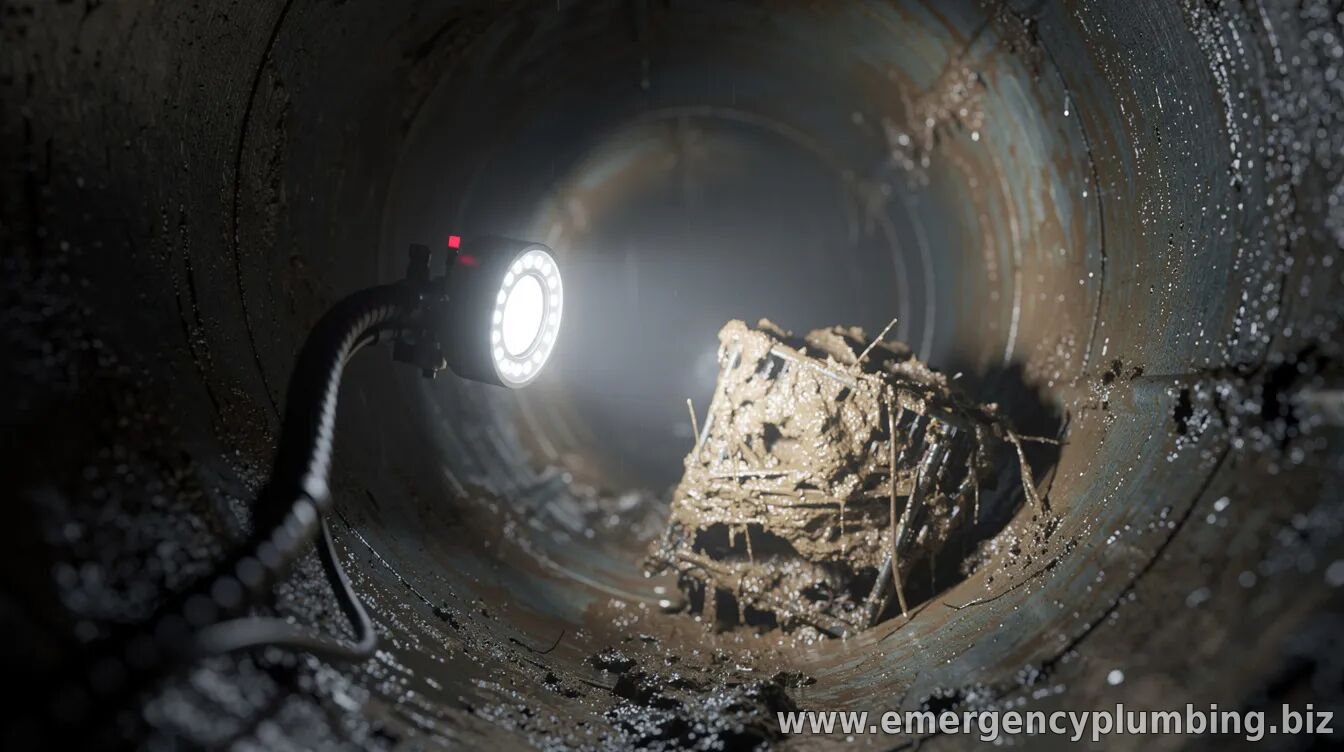
Camera video inspection has become a go-to method for locating blockages in drainage systems, commercial plumbing lines, and sewer pipes. Instead of relying solely on symptoms like slow flow or backups, technicians use a remote-controlled inspection camera to see what’s happening inside the pipe in real time.
The process typically involves inserting a waterproof, high-resolution camera into the affected line and advancing it while recording video. As the camera moves, the operator looks for changes in flow, obstructions, pipe conditions, and any visible damage that could explain the problem. How the inspection works
A flexible cable with the camera at the end is fed into the drain through an access point. The camera transmits live footage to a monitor, often with location tracking capabilities that help estimate where along the line the issue appears.
Depending on the system, technicians may also capture additional data—such as pipe diameter measurements or timestamps—to build a clear record of what was found. This documentation can be especially valuable when multiple stakeholders are involved, such as property managers, contractors, or insurance teams. What blockages can be identified
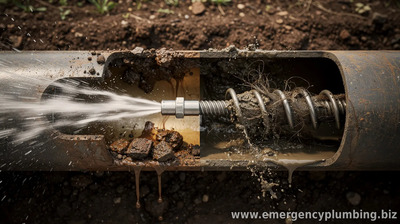
Video inspections can reveal many common causes of blockage, including grease and debris buildup, collapsed sections, cracked pipe walls, recurring root intrusion, and joint misalignment. In some cases, the camera shows partial obstructions where water moves intermittently—helping explain recurring backups.
Seeing the blockage directly can prevent unnecessary digging or “trial-and-error” repairs. For example, a partial clog near a connection point may call for targeted cleaning or a localized repair rather than replacing an entire run. Why it can reduce damage and cost
Traditional troubleshooting may involve invasive access or repeated mechanical cleaning without confirming the underlying cause. Camera-based diagnosis can shorten the time between problem detection and the right remedy by confirming the blockage type and approximate location.
That can reduce disruption for residents and businesses, lower the likelihood of over-repairing unaffected sections, and support more accurate estimating for rehabilitation work when structural damage is present. What to expect during a typical inspection
Most inspections begin with an initial assessment of symptoms and access points, followed by a test of water flow if appropriate. Once the camera is inserted, the technician records footage while advancing through the line, pausing if needed to capture key views of the obstruction or damage.
Afterward, the footage is reviewed and summarized in a report. Many service providers also share recommended next steps—such as high-pressure hydro-jetting, mechanical removal, or further evaluation—based on what the video shows.
For property owners and facilities managers, the key takeaway is that camera video inspection turns an uncertain plumbing problem into evidence-based troubleshooting. When blockages are found and documented clearly, repairs can be planned more precisely, and future maintenance decisions can be made with greater confidence.
| |
⏰ Dispatcher support 24/7
📞 224-754-1984CALL ☎ Subscribe 👆 FORUM 🗣
North Shore, Northwest suburbs of Chicago, IL
Next & Previous posts
Related articles: